10 Essential Tips for Choosing a Distribution Ring Main Unit?
Choosing the right Distribution Ring Main Unit (RMS) is crucial for electrical systems. This component plays a vital role in ensuring a stable and efficient electrical supply. The process can be daunting, given the variety of options available in the market today. Understanding the specifications, features, and intended applications is essential for making informed decisions.
Investing in a Distribution Ring Main Unit requires careful consideration. Many factors, such as load capacity and environmental conditions, must be assessed. The performance of the unit impacts the reliability of the entire electrical network. However, it can be easy to overlook critical features when faced with numerous choices.
This guide presents ten essential tips that can help you navigate the selection process. It highlights common pitfalls and emphasizes the importance of professional advice. By focusing on detail and expert knowledge, the insights aim to enhance your understanding of Distribution Ring Main Units. Making a knowledgeable choice can ultimately result in a more reliable and efficient power distribution system.
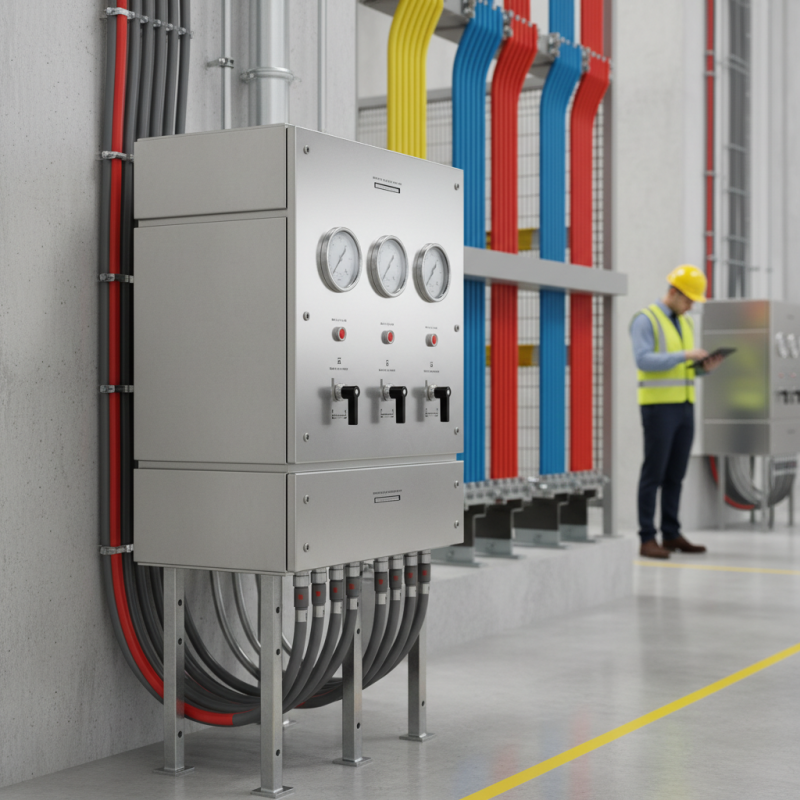
Understanding the Purpose of a Distribution Ring Main Unit
A Distribution Ring Main Unit (RMU) plays a crucial role in electrical distribution systems. It serves as a critical junction point in the network, allowing reliable power delivery. The RMU connects various distribution feeders, offering enhanced flexibility. According to the International Electrotechnical Commission (IEC), RMUs can improve supply reliability by up to 99%. This indicates their importance in maintaining consistent power flow.
Choosing a suitable RMU is essential for safety and efficiency. The right unit should balance capacity and physical size. An oversized unit may lead to increased costs and energy waste. Conversely, an undersized RMU can result in unexpected outages. An often overlooked factor is the environmental conditions. RMUs should be rated for specific weather scenarios. For instance, units in coastal areas may need added corrosion resistance.
Regular assessments of RMUs are also vital. Periodic inspections can identify wear or potential malfunctions. A report from the IEEE suggests that proactive maintenance reduces failure rates by approximately 15%. However, many operators neglect this practice, leading to higher risk. It is crucial to ensure timely checks to maintain the integrity of the entire distribution network.
Key Factors to Consider When Selecting a Distribution Ring Main Unit
Choosing the right distribution ring main unit is crucial for effective electrical management. There are several key factors to consider during the selection process. One significant aspect is the unit's capacity. Ensure it can handle the load requirements of your specific application. An underpowered unit may lead to failure and increased downtime.
Another critical factor is durability. Look for units made from robust materials that withstand harsh environments. This may include corrosive conditions or extreme temperatures. Such durability ensures longevity and reliability. Pay attention to the design as well. A well-designed unit will allow for easy maintenance, reducing operational hassles.
Tip: Always evaluate the safety features of the unit. It’s essential to choose a unit that incorporates protective measures against overloads and short circuits. Reliable safety mechanisms enhance operational security and minimize risks. Regularly review and assess your selection criteria. It’s easy to overlook important elements, which can lead to costly mistakes. Choose wisely to avoid regrets later on.
Assessing the Technical Specifications of Distribution Ring Main Units
Choosing a distribution ring main unit (RMU) requires careful consideration of its technical specifications. These units play a critical role in electrical distribution networks. They ensure reliability and safety. An effective RMU must meet specific performance standards. It's essential to examine the insulation type. This determines how well the unit withstands environmental factors like moisture and dust.
Another aspect to consider is the operational voltage. Ensuring it matches your particular system requirements is crucial. This helps avoid potential malfunctions. Evaluate the short-circuit rating. It should align with the expected fault conditions in the network. Ignoring this factor could create significant risks.
The size and footprint of the RMU also matter. It should fit well within the installation space. Access for maintenance is vital, too. If the unit is not easily accessible, it may present challenges later. Lastly, pay attention to the control features. Smart technology integration can enhance performance. However, ensure that your team is equipped to handle it. Balancing cutting-edge tech with user familiarity is important.
10 Essential Tips for Choosing a Distribution Ring Main Unit
| Specification | Importance | Recommended Values |
| Rated Voltage (kV) | Ensures compatibility with the network | 6, 10, 15, 20 |
| Rated Current (A) | Determines load capacity | 400, 630, 800 |
| Short-Circuit Current Rating (kA) | Assures safety under fault conditions | 16, 25, 31.5 |
| Insulation Level (kV) | Protection against overvoltages | 12, 28 |
| Mechanical Durability | for long-term operational reliability | 10,000 operations |
| Protection Class | Ensures safety and durability | IP 30, IP 40 |
| Temperature Range (°C) | Suitable for environmental conditions | -25 to +40 |
| Weight (kg) | For ease of handling and installation | 100-300 |
| Dimensions (mm) | Space requirements for installation | 1000 x 800 x 600 |
| Certification Standards | Compliance with national/international regulations | IEC 60265, IEC 62271 |
Evaluating Manufacturer Reputation and Product Quality
When choosing a distribution ring main unit, manufacturer reputation is crucial. A company with a strong history and proven track record will likely produce reliable products. Look for manufacturers that have been in the industry for several years. Their experience often reflects their ability to adapt and innovate. Check online reviews and testimonials for insights on customer satisfaction. Such feedback can reveal potential issues with product quality.
Evaluating product quality is equally important. High-quality materials and robust construction are essential for safety and longevity. Certifications from recognized authorities can indicate compliance with industry standards. Don't hesitate to ask about the manufacturing process. Transparency can show a manufacturer's commitment to quality. If possible, request samples to assess the unit's performance under real conditions. Discerning buyers often focus on these tangible aspects, which can be more telling than glitzy marketing.
A few errors can arise during this process. Perhaps a reputable brand might overlook minor details, affecting long-term performance. It’s wise to consider both expert opinions and real-world experiences. Balancing these insights can help in making a more informed decision.
Distribution Ring Main Unit Quality Evaluation
Importance of Compliance with Industry Standards and Regulations
When choosing a distribution ring main unit, compliance with industry standards is crucial. Adhering to regulations ensures safety and reliability. Standards provide guidelines for design, installation, and maintenance. This guarantees that the unit operates effectively in different conditions.
Non-compliance can lead to serious issues. Equipment may fail or perform inadequately. This exposes users to risks, such as electrical faults or safety hazards. It is vital to review applicable regulations thoroughly. Familiarize yourself with local and international standards relevant to your application.
Organizations should invest time in training staff. Understanding industry requirements enhances compliance. Regular audits can help identify gaps in adherence. Failure to keep up can have costly consequences. Ensuring compliance is not just a checkbox; it requires continuous effort and commitment.
