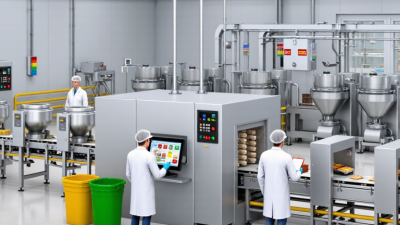
Finding reliable global suppliers at a food processing expo requires more than collecting brochures. It requires evidence, careful questions, and practical verification. The opportunity is significant. The OECD-FAO Agricultural Outlook 2024–2033 expects global agricultural and food demand to keep expanding, while suppliers face stricter requirements for safety, traceability, efficiency, and sustainability. At Food Processing Expo 2026, buyers may meet equipment manufacturers, ingredient producers, packaging specialists, and automation providers in one concentrated setting.
The details matter. A supplier’s booth may display a stainless-steel filling line, but performance depends on sanitation design, maintenance access, spare-parts availability, and local technical support. The FAO estimates that 13% of food is lost between harvest and retail, showing why processing efficiency and storage reliability deserve serious attention. UNEP’s Food Waste Index Report 2024 also reported approximately 1.05 billion tonnes of food waste in 2022. These figures make waste-reduction technology commercially important, not merely fashionable.
Prepare a supplier scorecard before entering the exhibition hall. Record certifications, production capacity, lead times, reference projects, warranty terms, and total operating costs. Ask for test results, audit documentation, and a realistic delivery schedule. Do not trust impressive demonstrations alone. A polished booth proves very little. Industry reports provide useful direction, but they cannot confirm every supplier’s real performance. That limitation deserves reflection. The strongest sourcing decision combines published data, direct experience, technical inspection, and follow-up audits after the food processing expo. Reliability is built gradually, not promised in one conversation.
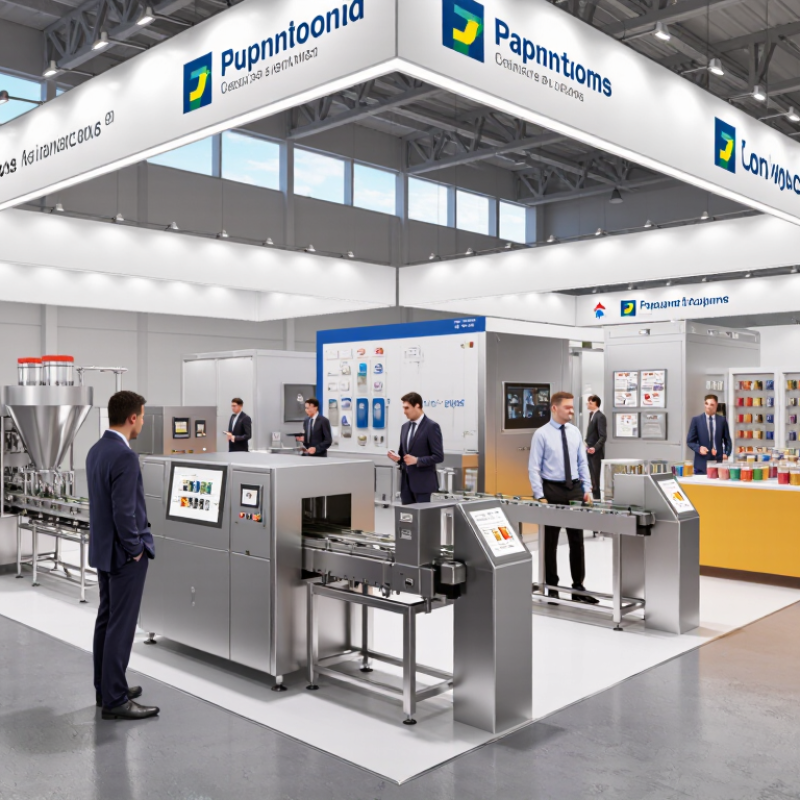
Before entering Food Processing Expo 2026, define what your business actually needs from a global supplier. A vague goal such as “find better pricing” creates weak conversations. Write a one-page requirement sheet instead. Include product specifications, monthly volume, acceptable quality ranges, packaging format, target cost, and delivery location. Add required certifications and traceability records. These details help you compare suppliers fairly.
Keep the sheet practical. Note your preferred minimum order quantity, sample requirements, production capacity, lead-time limit, and communication language. Ask whether the supplier can support seasonal demand without reducing quality. Logistics matter too. Record temperature controls, pallet dimensions, shipping terms, and customs documents needed in your market. I once treated delivery time as a minor detail. That was a mistake. A low purchase price means little when delayed materials stop production.
Leave room for questions you cannot answer yet. Your forecast may change. Your volume estimate may be optimistic. Mark uncertain figures clearly, then discuss flexible contracts or trial orders. During the expo, bring printed specifications and a simple scoring sheet. Rate each supplier on quality evidence, capacity, responsiveness, documentation, and commercial fit. Do not rely on an impressive booth or a confident promise. Request samples, audit information, and references where appropriate. Take notes immediately after each meeting. Memory becomes unreliable by the afternoon.
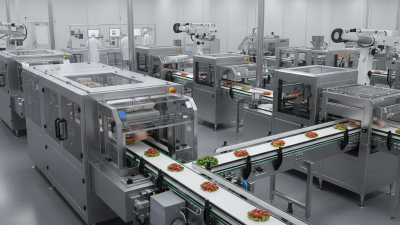
Finding global suppliers at Food Processing Expo 2026 starts before the exhibition hall. Build a shortlist from the exhibitor directory. Record product category, factory location, export markets, and contact role. The FAO estimates that global food production may need to rise by about 50% by 2050. This pressure makes capacity evidence more useful than polished booth language. Ask for output ranges, audit dates, and samples linked to a real application.
Product zones can reveal technical fit quickly. In a filling zone, compare dosing accuracy, changeover time, cleaning access, and energy use. In packaging areas, inspect seal tests and material compatibility. UNEP’s Food Waste Index Report 2024 estimated 1.05 billion tonnes of food waste in 2022. Suppliers documenting shelf-life control, yield loss, and traceability deserve closer review. Still, a displayed machine is not proven performance. A live demonstration lasts one shift.
International pavilions help screen regional options. Pay attention to tariffs, language, service coverage, and shipping temperatures. The OECD-FAO Agricultural Outlook 2024–2033 indicates continued growth in food demand and agricultural trade, while supply routes remain vulnerable to disruption. Compare Incoterms, spare-parts locations, response times, and local technicians. Request references from plants with similar volumes. My mistake would be chasing the lowest quote. Total cost can hide installation delays, rejected batches, and training gaps. Leave each meeting with one verified document, not ten promises.
| Research Area | Product Zone | Supplier Information to Capture | Technical and Compliance Evidence | Useful Screening Questions | Priority | Next Step |
|---|---|---|---|---|---|---|
| Exhibitor Research | Processing Equipment | Processing function, throughput range, product-contact materials, equipment footprint, utilities, and installation requirements. | Stainless-steel grade, hygienic design details, cleanability information, electrical specifications, and machinery safety documentation. | Can the system handle our product viscosity, particle size, temperature, and target production capacity? | High | Request a technical datasheet and layout drawing. |
| Product-Zone Review | Packaging Machinery | Filling, sealing, labeling, cartoning, or case-packing capability; compatible package formats; changeover method; line speed. | Machine dimensions, compressed-air requirements, power consumption, food-contact suitability, and validation support. | How quickly can the line change between package sizes, materials, or recipes? | High | Compare total cost of ownership, not only purchase price. |
| Product-Zone Review | Ingredients and Functional Additives | Ingredient function, origin, allergen profile, usage level, shelf-life contribution, and minimum order quantity. | Certificate of analysis, specification sheet, allergen statement, microbiological limits, traceability information, and applicable food-law status. | Is the ingredient suitable for the destination market and the intended claim on the label? | High | Send samples for laboratory and pilot-scale testing. |
| Product-Zone Review | Food Safety and Quality Control | Inspection, testing, metal detection, foreign-material control, laboratory, and digital traceability capabilities. | HACCP plan, preventive-control procedures, calibration records, testing methods, and recall-traceability process. | What critical control points can the solution monitor, record, and verify automatically? | High | Evaluate data integrity and audit-readiness. |
| Product-Zone Review | Cold Chain and Refrigeration | Cooling or freezing method, operating temperature range, product residence time, insulation design, and energy requirements. | Temperature-mapping reports, refrigerant information, sanitation procedures, alarm functions, and maintenance requirements. | How is temperature deviation detected, documented, and communicated during operation? | High | Request a temperature-validation plan. |
| Product-Zone Review | Automation and Digital Systems | Control architecture, production monitoring, recipe management, equipment connectivity, reporting, and remote-support options. | Network-security controls, user-access management, data-backup policy, system documentation, and integration protocols. | Can the system exchange production data with existing planning, quality, and maintenance platforms? | Medium | Map integration requirements before requesting a quotation. |
| International Pavilion | European Supplier Group | Assess machinery engineering, hygienic design, process automation, packaging technology, and export-service coverage. | Check conformity documentation, food-contact declarations, applicable machinery-safety requirements, and destination-market approvals. | Which documents are supplied for import, installation, commissioning, and local inspection? | High | Verify conformity requirements for the importing country. |
| International Pavilion | North American Supplier Group | Assess processing lines, ingredient systems, sanitation solutions, automation, and aftermarket service capabilities. | Review preventive-control documentation, electrical requirements, sanitation procedures, and spare-parts availability. | Can the equipment be configured for the electrical, safety, and sanitation requirements at our facility? | High | Confirm site acceptance and commissioning responsibilities. |
| International Pavilion | Asia-Pacific Supplier Group | Assess value-oriented machinery, packaging systems, ingredients, automation modules, and production-capacity flexibility. | Verify factory-audit records, material specifications, quality-control procedures, spare-parts lists, and service response times. | What quality checks are completed before shipment, and who provides technical support after installation? | Medium | Use third-party inspection for high-value equipment. |
| International Pavilion | Latin America, Middle East, and Africa Supplier Groups | Assess regional ingredients, processing equipment, packaging materials, logistics capability, and local distribution coverage. | Check origin documents, halal or other relevant certification where applicable, shelf-life evidence, export records, and customs documentation. | Can the supplier maintain continuity during seasonal demand, port delays, or changes in import requirements? | Medium | Build a landed-cost and supply-risk comparison. |
| Supplier Qualification | All Product Zones | Years of relevant production experience, manufacturing location, production capacity, lead time, minimum order quantity, and payment terms. | Quality-management certification, audit history, product specifications, insurance information, and customer-reference process without relying on brand names. | Which parts are manufactured internally, and which are sourced from subcontractors? | High | Place qualified suppliers on a comparison shortlist. |
| Commercial Review | Equipment and Ingredients | Unit price, tooling cost, sample cost, freight basis, warranty period, payment schedule, and expected operating cost. | Formal quotation, warranty conditions, service-level terms, spare-parts pricing, and documented assumptions. | What costs are excluded from the quotation, such as installation, training, validation, freight, or duties? | High | Normalize quotations using the same delivery terms. |
| Post-Expo Follow-Up | Shortlisted Suppliers | Meeting notes, contact role, requested documents, sample status, technical gaps, and agreed response date. | Document completeness, sample-test results, audit findings, corrective-action records, and reference checks. | Has every critical requirement been answered with verifiable evidence rather than a verbal commitment? | High | Score suppliers against technical, compliance, cost, and risk criteria. |
How to Find Global Suppliers at Food Processing Expo 2026?
At Food Processing Expo 2026, move beyond attractive samples and confident sales pitches. Prepare questions that test capability, traceability, and compliance. Ask, “Which products do you manufacture in-house?” Then request production capacity, lead times, minimum order quantities, and backup plans. The World Health Organization estimates that contaminated food causes 600 million illnesses each year. Supplier controls deserve direct attention.
Request current food safety certificates, audit reports, corrective-action records, and certificate scope. Check issuing bodies, expiry dates, and covered production sites. Ask how the supplier manages allergens, foreign materials, sanitation, and temperature control. A useful question is, “Can you show a recent mock-recall result?” Also ask for lot-level traceability from raw materials to shipment. The FAO’s 2024 State of Food and Agriculture reports that 13.2% of food is lost globally before retail. Weak handling systems can increase this risk. A polished booth can still hide weak controls. That is easy to miss.
Tips: Bring a one-page supplier questionnaire. Record exact answers, not impressions. Compare promised capacity with verified output. Ask for two customer references, where appropriate. Include questions about labor practices, environmental records, and export documentation. If an answer sounds vague, pause and ask again. My own reflection: fast qualification can feel efficient, but it may create expensive surprises later. Use a small pilot order and review performance before expanding cooperation.
How to Find Global Suppliers at Food Processing Expo 2026?
Samples reveal what a supplier’s presentation cannot. Ask for identical samples from several suppliers, then record texture, moisture, color, packaging, and handling conditions. Test each sample under your real production process, not only at the exhibition table. A sample may perform well in a controlled demonstration but fail during storage or high-speed processing. Keep sealed reference samples and label each one with the date, batch information, and agreed specifications. Small details matter.
Pricing needs a wider comparison. Request a written quotation covering minimum order quantities, tooling, packaging, delivery terms, payment stages, and possible testing fees. Compare the total landed cost, not only the unit price. Ask what changes when order volume increases. A low quotation can conceal inconsistent materials or expensive adjustments later. I would avoid judging suppliers from one conversation. My early comparisons were too neat; real purchasing decisions rarely fit a simple ranking.
Production evidence should be specific and verifiable. Request recent production photographs, process descriptions, capacity figures, quality records, and references relevant to your product category. If possible, inspect the facility or arrange an independent audit. Check whether the supplier can maintain traceability from incoming materials to finished goods. Confirm that documents are current and suitable for your destination market. Be careful with impressive claims. Evidence should match the sample, the quoted specification, and the supplier’s actual capacity. If those three do not align, pause before negotiating a contract.
Compare suppliers through samples, pricing, and production evidence.
This procurement scorecard assigns a 100-point evaluation model to the evidence buyers can verify at the expo. Product samples and compliance checks receive the highest weight, while transparent pricing, production capability, and delivery readiness support the final comparison.
Finding global suppliers at Food Processing Expo 2026 requires more than collecting brochures. A polished booth can hide weak production controls. Record each supplier’s legal company name, manufacturing address, contact person, and product scope. Ask for current certifications, audit reports, insurance details, and export references. Check whether the documents match the factory you may visit.
Use a simple scorecard after each conversation. Rate product quality, capacity, lead time, communication, traceability, and commercial clarity. Request a sample with batch information and packaging details. Compare it against the specification discussed at the booth.
A supplier who answers quickly but avoids technical questions deserves caution. So does one offering unusually low prices without explaining material or labor costs.
Within one week, reduce the list to five or six candidates. Send identical questions to each supplier. Ask about minimum order quantities, production scheduling, inspection procedures, and response plans for defects. Arrange a video call from the production floor, then verify key claims through independent references or a practical factory audit. Keep every promise in writing. My own mistake has been trusting a confident sales presentation before checking manufacturing capacity. That shortcut created delays later. A reliable shortlist should reflect evidence, not excitement from the exhibition hall.