Why Food Tech Products Are Revolutionizing the Way We Eat and Cook
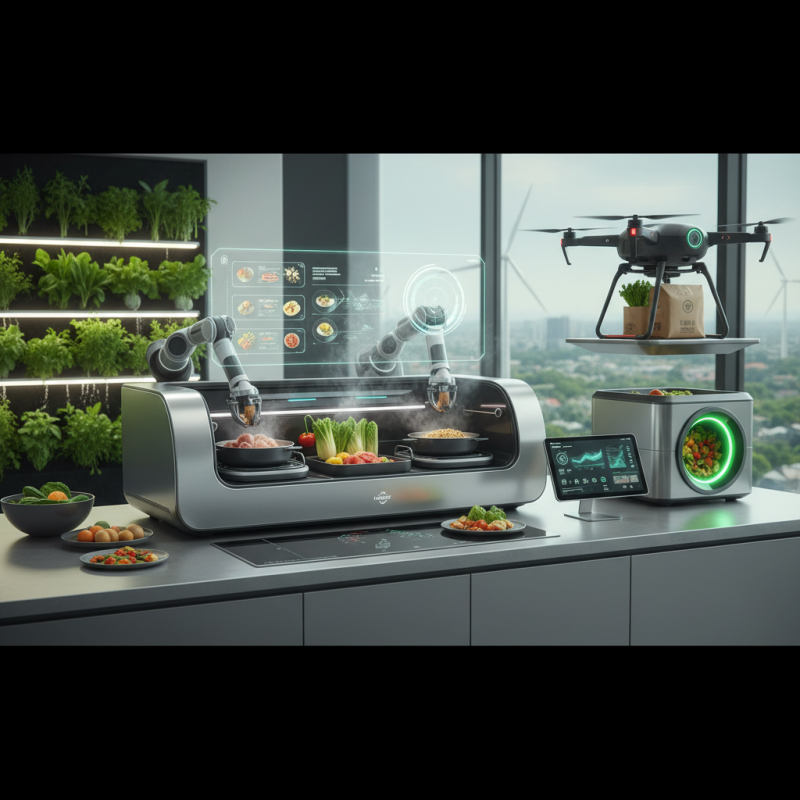
The culinary landscape is undergoing a profound transformation thanks to the rise of food tech products, which are revolutionizing the way we eat and cook. These innovative solutions leverage technology to enhance food production, preparation, and consumption, making our interactions with food more efficient, sustainable, and enjoyable. From smart kitchen appliances to precision agriculture techniques, food tech products are bridging the gap between traditional cooking methods and modern convenience, ultimately reshaping our gastronomic experiences.
As consumers increasingly demand higher quality and sustainable food options, the impact of food tech products extends beyond mere convenience. They empower individuals to take control of their diets, enabling personalized nutrition and healthier lifestyles. With options that range from meal delivery services to applications that streamline grocery shopping, these products cater to our busy lives while promoting mindful eating. The integration of technology into our daily cooking rituals not only saves time and reduces waste but also fosters creativity in the kitchen, encouraging us to experiment with new recipes and ingredients.
In essence, the rise of food tech products signifies a pivotal shift in the culinary realm, one that embraces innovation while prioritizing health and sustainability. As we explore the myriad ways these advancements are influencing our eating habits, it becomes clear that the future of cooking is not just about the meals we prepare, but also about the technology that makes them possible.
The Evolution of Food Technology: A Historical Perspective
The journey of food technology has been marked by significant milestones that fundamentally transformed the way we prepare and consume food. Tracing back to early human history, the discovery of fire and the advent of cooking marked the beginning of food technology. This not only made food safer and more palatable but also set the stage for social gatherings and cultural exchanges around meals.
Over centuries, technological advancements such as preservation techniques, the introduction of utensils, and the development of agriculture allowed humans to cultivate a wider variety of foods, while ensuring that they lasted longer and were easier to prepare.
As time progressed, not only did the methods of food preparation evolve, but so too did the technologies utilized in commercial food production. The industrial revolution brought about mass production techniques, leading to the emergence of processed foods and innovations in packaging that increased the shelf life of perishable goods. In recent decades, the rise of digital technology has further propelled this evolution, allowing for innovations like online grocery shopping, meal kit delivery services, and smart kitchen appliances that streamline cooking processes.
This historical perspective highlights a continuous adaptation and evolution of food technology, demonstrating its vital role in shaping not only our diets but also our lifestyles and social structures.
Key Innovations in Food Tech: From Cooking Appliances to Smart Devices
The emergence of food tech has transformed not only how we cook but also how we approach meals from preparation to consumption. Key innovations in this space include smart kitchen appliances that offer unparalleled convenience and efficiency. For instance, smart ovens can be controlled via smartphone apps, allowing users to preheat or adjust cooking times from anywhere.
Similarly, precision cookers and induction stovetops help ensure that dishes are prepared to perfection every time, eliminating guesswork and improving overall food quality.
Tips: When integrating smart appliances into your kitchen, start by identifying which tasks you find most time-consuming. Investing in a few essential tools that automate these processes can significantly enhance your cooking experience. Furthermore, exploring various cooking methods and devices can inspire creativity in your meal preparation.
Another innovation worth noting is the development of smart kitchen devices that help streamline meal planning and food management. These gadgets can keep track of pantry inventory, suggest recipes based on available ingredients, and even provide nutritional information. This not only reduces food waste but also encourages healthier eating habits by making it easier to choose balanced meals based on what you have on hand.
Tips: To maximize the benefits of smart kitchen devices, take the time to familiarize yourself with their features and capabilities. Regularly update your inventory and use the recipe suggestions to expand your culinary repertoire while minimizing waste. Embracing these tools can lead to a more efficient and enjoyable cooking experience.
Benefits of Food Tech Products: Convenience, Health, and Sustainability
The integration of food technology into our daily lives has introduced significant benefits that fundamentally alter the way we eat and cook. Convenience is one of the most compelling advantages; according to a report by the International Food Technology Association, the global meal kit delivery market alone is projected to reach $19.92 billion by 2027. This indicates a growing preference for pre-portioned ingredients and curated recipes, allowing consumers to save time and minimize food waste in their busy lifestyles. Moreover, devices such as smart kitchen appliances offer features that automate cooking processes and enhance precision, making meal preparation easier and more efficient for everyone.
Health is another crucial aspect that food tech products address. Advances in technology have facilitated the development of personalized nutrition solutions, providing tailored dietary recommendations based on individual health data. The Global Wellness Institute suggests that the personalized nutrition market could grow to $11.5 billion by 2025. This shift empowers consumers to make more informed food choices that align with their health goals, ultimately reducing the prevalence of diet-related diseases. Furthermore, innovations like plant-based meat alternatives are contributing to healthier options within the food supply, appealing to the growing number of consumers seeking to reduce their meat consumption for health and environmental reasons.
Sustainability is also a pressing concern that food tech products are addressing effectively. According to a study by the Food and Agriculture Organization, about one-third of all food produced globally is wasted. Food tech solutions such as smart inventory management systems and apps that track food freshness can significantly reduce this waste. Additionally, technology-driven agriculture practices, including vertical farming and hydroponics, are gaining traction, allowing for sustainable food production with lower environmental impact. By adopting these food tech innovations, consumers can contribute to a more sustainable food system while enjoying the benefits of improved health and convenience.
Benefits of Food Tech Products
How Food Tech Influences Culinary Arts and Cooking Methods
The culinary arts have undergone a significant transformation in recent years due to the advent of food technology. Innovative tools and devices are reshaping traditional cooking methods, making the kitchen more efficient and accessible for both amateur cooks and seasoned chefs. For instance, sous-vide machines allow precise temperature control, enabling cooks to achieve perfect doneness without the risk of overcooking. These techniques not only preserve flavors but also enhance the nutritional quality of food, reflecting a growing trend in health-conscious cooking.
Additionally, the integration of smart technology into kitchen appliances has revolutionized meal preparation. Smart ovens and cookers can be programmed remotely or adjusted through smartphones, allowing for a more tailored cooking experience. These devices often come equipped with guided recipes, streamlining the cooking process and encouraging experimentation with new cuisines. Moreover, the rise of food delivery apps and meal planning platforms has influenced how we approach cooking at home, making it easier to plan meals that accommodate various dietary needs and preferences. As food tech continues to advance, it paves the way for culinary creativity and greater inclusivity in the kitchen.
Why Food Tech Products Are Revolutionizing the Way We Eat and Cook
| Food Tech Product |
Impact on Cooking |
Influence on Culinary Arts |
Consumer Adoption Rate (%) |
| Smart Kitchen Appliances |
Automates cooking processes |
Enhances precision and creativity |
65% |
| Meal Kit Services |
Simplifies meal preparation |
Introduces global cuisines |
55% |
| Food Delivery Apps |
Convenience in meal access |
Diverse culinary options |
75% |
| Plant-based Substitutes |
Provides healthier options |
Promotes sustainability |
60% |
| Cooking Apps |
Offers recipe guidance |
Encourages home cooking |
70% |
The Future of Food Tech: Trends and Predictions for the Industry
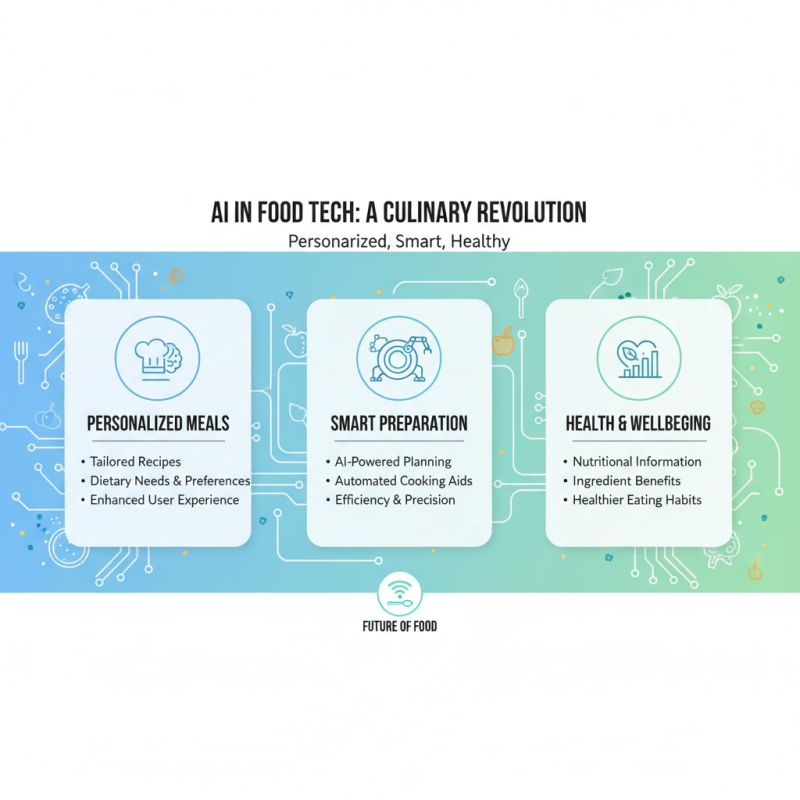
The food tech industry is rapidly evolving, driven by advancements in technology and changing consumer preferences. One of the most notable trends is the integration of artificial intelligence in food preparation and delivery. AI is being used to personalize meal planning, suggesting recipes based on individual dietary needs and preferences. This personalization enhances user experience and encourages healthier eating habits, as consumers can access tailored nutritional information and learn about the health benefits of specific ingredients.
Another significant trend is the rise of sustainable food tech solutions aimed at reducing food waste and minimizing environmental impact. Innovative methods such as vertical farming and lab-grown proteins are gaining traction, allowing for more efficient food production. Consumers are increasingly conscious of their environmental footprint, and as a result, they are seeking out options that prioritize sustainability. This shift not only influences product development but also shapes the future of food consumption, paving the way for more transparent and eco-friendly practices in the industry.