2025 Top Trends in Pet Food Processing You Need to Know
As we move towards 2025, the pet food processing industry is experiencing significant transformations driven by innovations in technology, sustainability, and consumer preferences. The increasing demand for high-quality, nutritious pet foods has spurred companies to adopt advanced processing techniques that not only enhance the nutritional value of the products but also cater to the evolving needs of pet owners. This shift towards more responsible pet food processing practices reflects a growing awareness of the importance of health and well-being for pets in today's society.
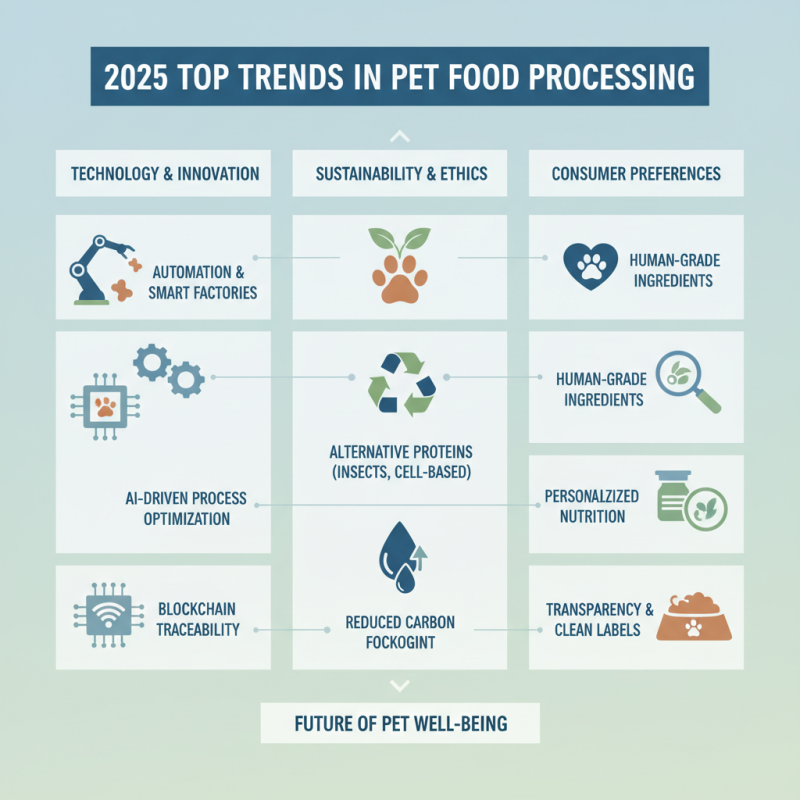
In this comprehensive overview, we will delve into the top trends shaping the landscape of pet food processing. From the rise of alternative proteins to the implementation of eco-friendly packaging solutions, these trends illustrate the industry's commitment to sustainability and transparency. Additionally, we will explore how automation and smart technology are revolutionizing production processes, ensuring that manufacturers can meet consumer demands while maintaining efficiency and quality. As we explore these pivotal trends, it becomes clear that the future of pet food processing is not only promising but also essential for the well-being of our furry companions.
Emerging Ingredients for Pet Food in 2025
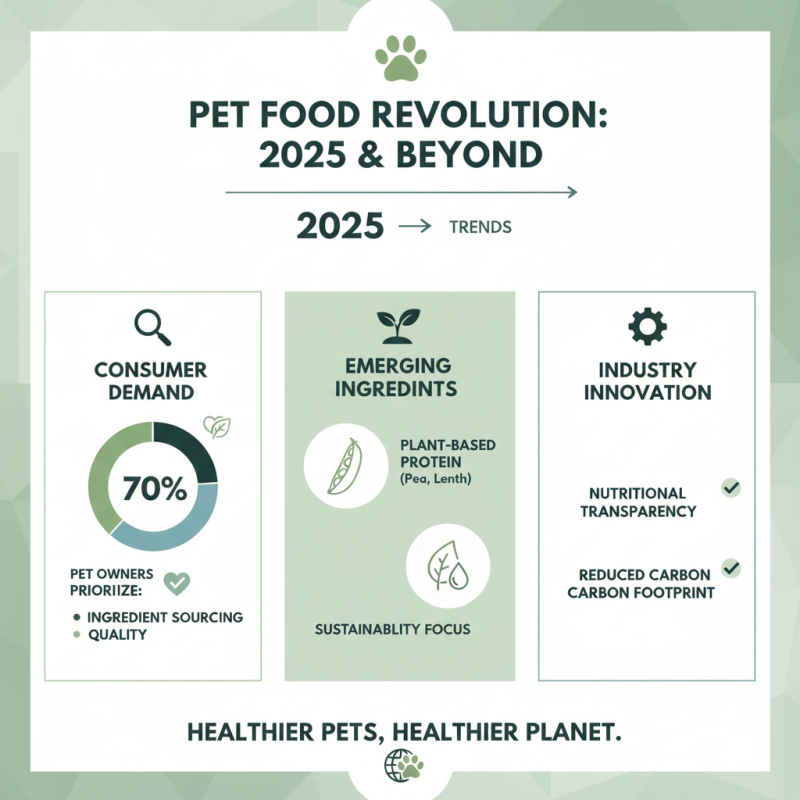
In 2025, the pet food industry is poised for transformation, particularly in the realm of emerging ingredients that cater to the increasing demand for nutritional transparency and sustainability. According to a recent report by the Pet Food Institute, nearly 70% of pet owners now prioritize ingredient sourcing and quality when selecting food for their pets, driving manufacturers to innovate. A significant trend is the rise of plant-based protein sources, such as pea and lentil protein, which not only meet the nutritional needs of pets but also align with broader environmental concerns. The use of these ingredients allows brands to cater to health-conscious consumers while also reducing their carbon footprint.
Moreover, functional ingredients that offer health benefits are gaining popularity. Ingredients like probiotics and added vitamins are being integrated into formulations to enhance the overall health of pets, addressing issues such as digestion and immune support. The Global Pet Food Market Report predicts a compound annual growth rate of 5.2% over the next five years, fueled by the growing awareness of pet wellness. As awareness rises, alternative proteins derived from insects and algae are also emerging as viable options, providing sustainable nutrition while minimizing resource use. In essence, the landscape of pet food processing is shifting toward more innovative, health-focused ingredients that respond to both consumer demands and the planet's needs.
Innovative Processing Techniques Shaping the Industry
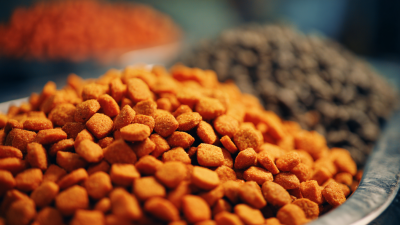
The pet food processing industry is experiencing a renaissance as innovative techniques reshape how pet food is produced. According to a recent report by Grand View Research, the global pet food market size is projected to reach $132.43 billion by 2027, highlighting the demand for high-quality, nutritious food options for pets. One significant trend is the increased use of extrusion technology, which not only enhances the digestibility of pet food but also allows for the incorporation of a wider variety of ingredients. This method provides a consistent product texture and helps retain the essential nutrients that pets need for optimal health.
In addition, sustainable processing methods are gaining traction. More manufacturers are adopting eco-friendly practices, such as utilizing renewable energy sources and minimizing water usage in the production process. These advancements align with consumer preferences for environmentally responsible products, particularly as 70% of pet owners in a recent survey indicated they are willing to pay more for sustainably sourced pet food.
Tips: To stay ahead in this evolving market, consider investing in advanced processing technologies that streamline production while maintaining product integrity. Additionally, focus on transparency in ingredient sourcing to boost consumer trust and brand loyalty, as modern pet owners are increasingly prioritizing the origins of their pet food.
Sustainability Practices in Pet Food Production
In recent years, sustainability practices in pet food production have emerged as a pivotal focus within the pet food processing industry. According to a report by the Pet Food Institute, approximately 87% of pet food manufacturers are actively implementing sustainable practices in their operations. These practices range from using responsibly sourced ingredients to improving packaging methods. The shift reflects an industry trend toward reducing carbon footprints and environmental impacts while catering to the growing consumer demand for eco-friendly products.
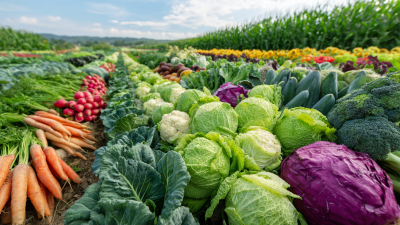
One of the most notable advancements in sustainability is the adoption of alternative proteins. The use of plant-based proteins and insects not only provides nutritional value for pets but also significantly lowers greenhouse gas emissions compared to traditional meat sources. A study from the University of California indicated that insect protein could reduce the overall environmental impact of pet food by up to 80%. Furthermore, sustainable packaging innovations, such as biodegradable or recyclable materials, are becoming mainstream as companies seek to minimize waste. This aligns with a survey conducted by Mintel, which found that 52% of pet owners are willing to pay more for products that use sustainable packaging, highlighting the market potential for environmentally conscious offerings in the pet food sector.
2025 Top Trends in Pet Food Processing You Need to Know - Sustainability Practices in Pet Food Production
| Trend |
Description |
Impact |
Implementation Timeline |
| Plant-Based Ingredients |
Incorporating more plant-based proteins to reduce environmental footprint. |
Lower carbon emissions and improve sustainability ratings. |
2023 - 2025 |
| Recyclable Packaging |
Transitioning to packaging materials that are fully recyclable. |
Reduce waste and enhance brand image among environmentally conscious consumers. |
2024 - 2026 |
| Energy Efficiency |
Adopting energy-efficient production methods and equipment. |
Lower operational costs and reduced carbon footprint. |
Ongoing through 2025 |
| Sourcing Transparency |
Ensuring full traceability of ingredients from source to product. |
Build consumer trust and meet regulatory requirements. |
2023 - 2025 |
| Waste Reduction Initiatives |
Implementing processes that minimize food waste during production. |
Enhance sustainability and contribute to the circular economy. |
2024 - 2026 |
Technological Advancements in Quality Control
Innovations in quality control are poised to redefine the pet food processing industry in 2025. As consumer demand for pet products rises, manufacturers are increasingly adopting advanced technologies to ensure the safety, consistency, and nutritional value of their offerings. Techniques such as machine learning and artificial intelligence are becoming crucial in monitoring production processes, analyzing ingredient variability, and detecting potential contaminants in real-time. These advancements allow for quicker responses to quality issues, minimizing waste and enhancing product reliability.
Moreover, the implementation of automated quality assurance systems is streamlining workflows in production facilities. By integrating IoT devices, operators can gather comprehensive data throughout the manufacturing process, leading to improved traceability and accountability. This not only helps in maintaining the highest standards of hygiene but also reinforces consumer trust in pet food products. In 2025, the integration of these technological solutions will be integral to meeting both regulatory demands and consumer expectations in the increasingly competitive pet food market.
Consumer Trends Driving Pet Food Choices in 2025
As we move towards 2025, the landscape of pet food choices is significantly shaped by evolving consumer trends that prioritize
health,
sustainability, and personalized nutrition. According to recent market research, over
60% of pet owners are increasingly purchasing food products that contain
natural ingredients, reflecting a shift towards transparency and a preference for wholesome, minimally processed options. This trend is largely driven by the rising awareness of pet health, with many consumers viewing pet food as an extension of their own dietary concerns.
Additionally, the commitment to
sustainability is becoming a crucial factor in consumers' purchasing decisions. A report from the
Association of American Feed Control Officials (AAFCO) notes that nearly
50% of pet owners are willing to pay a premium for eco-friendly packaging and
sustainably sourced ingredients. This growing demand encourages pet food manufacturers to innovate in their production processes, focusing on
biodegradable packaging and alternative protein sources such as insects and plant-based ingredients. These sustainable practices are not only beneficial for the environment but also cater to the expectations of the
eco-conscious consumer, indicating a substantial shift in the dynamics of the pet food market.
Personalization is another trend making waves in the industry. A study by
Packaged Facts reveals that around
45% of pet owners show interest in custom-formulated pet food tailored to their pets’ specific dietary needs and preferences. This trend highlights a movement towards individualized nutrition, where owners are increasingly knowledgeable and engaged in the nutritional aspect of their pets' wellbeing. As technology advances, we anticipate that more companies will leverage data analytics to create unique formulations that meet these consumer demands, transforming the way pet food is processed and marketed.