2026 Food Machine Innovations What Buyers Need to Know?
As we approach 2026, the food machine industry is experiencing remarkable innovations. Buyers must stay informed about these changes. From advanced automation to sustainability, the landscape is shifting rapidly.
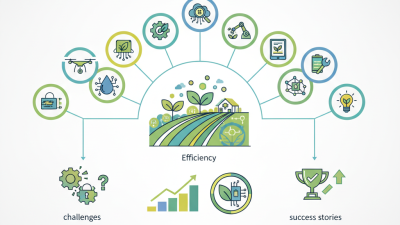
New food machines are designed to enhance efficiency and quality. These innovations not only streamline processes but also address environmental concerns. Buyers need to examine these evolving technologies carefully. Understanding features like energy consumption and speed is crucial for making informed decisions.
Additionally, it’s important to reflect on potential challenges. While advancements bring benefits, they can also lead to complexities. Users must adapt to new systems and protocols. Ensuring compatibility with existing setups can be daunting. As the market evolves, remaining aware of these factors is vital for success in the food machine sector.
2026 Food Machine Innovations: An Overview of Emerging Technologies
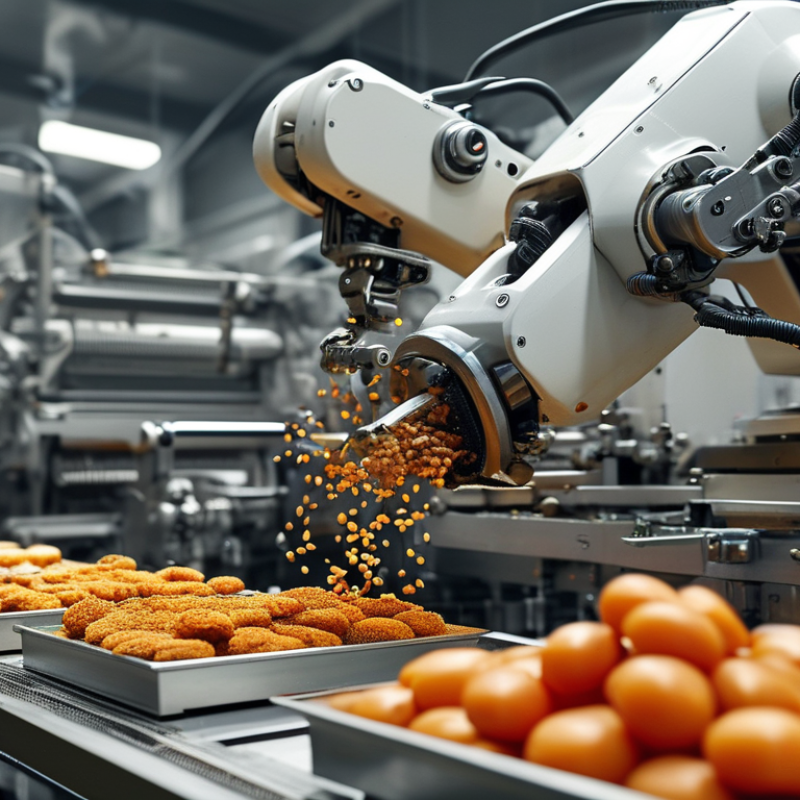
The food industry is rapidly evolving, and 2026 promises to bring groundbreaking innovations in food machines. Emerging technologies are reshaping how food is processed, packaged, and delivered. Automation is at the forefront, reducing labor costs and enhancing efficiency. Advanced sensors and AI are optimizing production lines, making them smarter and more responsive. Imagine machines that can predict maintenance needs before failures occur.
Tips: Research various technologies before investing. Understand how each machine can streamline your operations. Look for user feedback to gauge reliability.
Sustainability is another key area. Machines are now designed to minimize waste and energy consumption. Innovative processing techniques allow for better food preservation, which impacts shelf life and losses. These advancements can transform supply chains, making them more resilient. However, implementing new technologies often requires training and adaptation. Businesses must remain agile.
Tips: Develop a training plan for your staff. Embrace the changes, but expect challenges. Stay updated on industry trends to maintain a competitive edge.
Key Features to Look for in 2026 Food Machines
In 2026, food machine innovations focus on several key features. Buyers should prioritize versatility and efficiency. Look for machines that can adapt to various cooking methods. Multi-functionality saves space and increases productivity. Users appreciate machines that combine blending, chopping, and cooking in one unit.
Smart technology is another significant aspect. Machines equipped with IoT capabilities offer improved control. Users can monitor cooking progress from their smartphones. This feature enhances convenience and ensures precise results. Additionally, energy efficiency remains crucial. Machines that reduce power consumption not only save money but also support sustainability.
Consider the ease of cleaning. Many users find complex machines harder to maintain. Simple designs with detachable parts enhance user experience. However, durability in materials is equally important. The right choice can withstand heavy usage. These innovations reflect a growing demand for convenience and quality in kitchens.
2026 Food Machine Innovations: Key Features to Look For
Sustainability Trends Influencing Food Machine Designs in 2026
In 2026, sustainability is at the heart of food machine innovations. Recent industry reports reveal a significant shift toward eco-friendly practices. For example, 75% of manufacturers now prioritize sustainable materials in production. This change reflects growing global concerns about carbon footprints and waste.
Consumers are driving this trend. A study indicates that 70% of buyers prefer energy-efficient machines. These machines reduce electricity consumption by approximately 30%. Innovations like solar-powered automation systems are gaining traction. They offer an appealing solution for food processing industries, aiming for greener operations.
Challenges remain. Not all companies can easily transition to eco-friendly materials. Costs can be higher upfront, and some sustainable options may not perform optimally. The balance between sustainability and efficiency is crucial. As buyers navigate these innovations, they must weigh short-term costs against long-term benefits. The dialogue around sustainability in food machinery continues to evolve, reflecting both aspirations and hurdles.
Understanding Smart Technology Integration in Food Machines
Smart technology integration in food machines is revolutionizing the industry. These innovations enhance efficiency and reduce waste. Machines now come equipped with sensors that monitor ingredients and optimize cooking processes. This technology minimizes human error and ensures consistent results.
Users appreciate real-time data analytics. Such features enable quick adjustments to recipes or processes. However, not all operators fully understand these systems. The steep learning curve can be daunting. Some may find it challenging to trace issues when technology fails. Machine errors can lead to wasted resources.
Connectivity is also crucial. Many machines connect to the internet, allowing for remote monitoring and updates. This offers food producers more control. Yet, reliance on technology poses risks, including security vulnerabilities. Keeping systems up to date is essential. Buyers must weigh the benefits against these potential drawbacks. Understanding these dynamics is key to making informed choices in the evolving food machine landscape.
Buyer Considerations for Cost and Maintenance in 2026 Food Machines
As the food industry evolves, the consideration of cost and maintenance for food machines becomes crucial for buyers in 2026. Industries report that maintenance accounts for up to 20% of total operational costs. This can significantly impact profitability and efficiency. Regular upkeep not only ensures longevity but also enhances performance. Having a clear maintenance plan can mitigate unexpected expenses linked to machine failure.
Cost considerations extend beyond the initial investment. For example, energy-efficient machines can reduce operational costs by approximately 15-30%, according to recent studies. Buyers need to weigh the upfront costs against potential long-term savings. Additionally, the price of spare parts should be evaluated. Some machines may appear cheaper initially, yet their parts are more expensive. Understanding the total cost of ownership is vital for making informed decisions.
Understanding these aspects can lead to better decisions. Industry experts advise buyers to seek machines with robust support and training options. However, a gap often exists. Many buyers fail to consider the complexities of machine integration in existing workflows. Addressing these factors can help in optimizing the benefits derived from modern food machines in the coming years.