2026 Top Food Tech Innovations Transforming the Culinary Landscape?
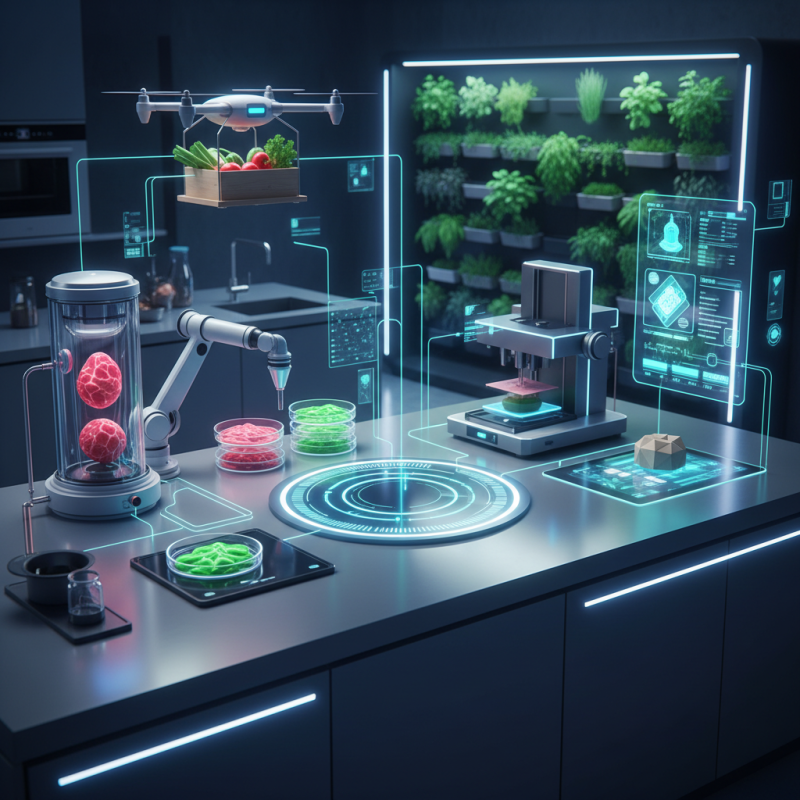
The culinary world is evolving rapidly through advancements in food tech. Innovations are reshaping how we eat, cook, and think about food. From lab-grown meat to AI-driven recipe suggestions, the landscape is shifting. These changes aim to address sustainability and health concerns.
However, not all innovations are perfect. Some food tech breakthroughs raise questions about safety and ethics. For example, lab-grown meat has supporters and critics. The debate continues over its environmental impact and health benefits. Consumers are still wary of genetically modified ingredients.
The future holds great promise, yet challenges remain. Each food tech innovation must be scrutinized as they change our diets. Balancing convenience with health is crucial. As these technologies progress, thoughtful reflection is essential to ensure they benefit everyone.
Advancements in Artificial Intelligence for Culinary Applications
Advancements in artificial intelligence (AI) are reshaping the culinary world. AI tools can now analyze vast data sets of recipes and ingredients. They suggest innovative combinations that chefs might overlook. According to a recent industry report, 67% of chefs believe AI enhances creativity in menu development. However, some chefs feel this reliance on technology may stifle their intuition.
AI algorithms also optimize food preparation processes. These systems can predict demand patterns based on historical sales data. A study found that AI-driven inventory management can reduce food waste by up to 30%. Yet, there’s a need for caution. Over-automation may remove the human touch essential in cooking. Machines cannot replicate the emotional connection food creates.
Training AI requires significant investment in time and resources. Many smaller establishments struggle to keep up. The gap in technology access could widen inequalities in the food industry. While AI can streamline operations, chefs must remain vigilant. Balancing tech integration with culinary artistry is crucial for future success. The culinary landscape is changing rapidly, but reflection on what makes food special remains vital.
Robotics in Food Preparation: Enhancing Efficiency in Kitchens
Robotics is changing how we prepare food in kitchens. This shift is redefining efficiency and creativity in culinary spaces. Chefs now have robotic assistants that chop, blend, and even cook. Imagine a robot that can precisely dice onions, ensuring uniformity. It saves time and reduces waste. However, the human touch is still irreplaceable.
Robotics streamlines repetitive tasks. But can a machine replicate the passion behind a dish? A robot may follow a recipe flawlessly, yet it lacks intuition. We often find that cooking connects us deeply with our culture. It evokes memories and emotions. A machine can't replicate the joy of cooking with loved ones. As we embrace technology, we must remember the essence of cooking. Balancing technology and tradition is key. Being reliant on robotics poses questions. Are we losing essential skills in the kitchen? It’s worth reflecting on what we might sacrifice for efficiency.
2026 Top Food Tech Innovations Transforming the Culinary Landscape
Sustainable Food Tech Innovations Reducing Environmental Impact
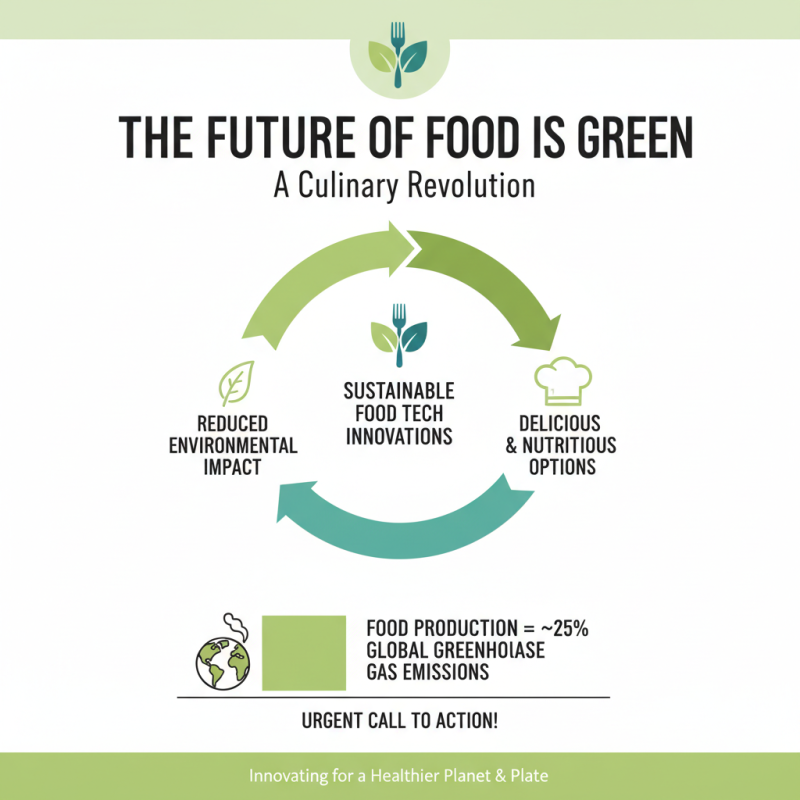
The culinary landscape is rapidly evolving. Sustainable food tech innovations are now at the forefront. These innovations aim to reduce environmental impact while offering delicious options. According to a recent industry report, food production accounts for nearly 25% of global greenhouse gas emissions. This alarming statistic calls for immediate action.
One notable trend is vertical farming. This method utilizes minimal land and water. It also reduces transportation emissions. Indoor farms can grow produce in urban settings, cutting down food miles significantly. Moreover, lab-grown meat is gaining traction. While it holds promise, challenges remain. These include high production costs and consumer acceptance issues.
Innovative packaging solutions also play a role. Edible packaging reduces waste significantly. Studies indicate that 30% of food produced is wasted. Addressing this issue is crucial. Companies are exploring compostable materials to combat plastic pollution. The journey to sustainability is complex and imperfect. However, it’s essential to balance innovation with practical limitations.
The Rise of Lab-Grown Meat and Its Impact on Traditional Dining
The culinary landscape is witnessing dramatic shifts due to lab-grown meat. This innovation addresses pressing concerns about sustainability and animal welfare. According to the Good Food Institute, the global market for cultured meat could reach $140 billion by 2029. The rising interest in lab-grown options is transforming traditional dining experiences.
Lab-grown meat appeals to environmentally conscious consumers. It requires up to 90% less land and water than conventional meat production. However, it faces skepticism and regulatory hurdles. Many diners remain hesitant about trying these products. A survey found that 68% of respondents were unsure about the taste and texture of lab-grown alternatives.
As lab-grown meat becomes more mainstream, traditional dining will evolve. Restaurants may need to rethink their menus. Chefs must adapt to new ingredients while keeping customer preferences in mind. This transition is not without challenges. The industry must continuously innovate and educate consumers about their options. The future of dining may look very different, but the journey will require careful reflection and adaptation.
Smart Kitchen Appliances: Revolutionizing Home Cooking Experiences
Smart kitchen appliances are reshaping how we cook. These innovations make daily cooking more convenient. Imagine a smart oven that cooks meals to perfection automatically. You program it, and it does the rest. However, not all devices are user-friendly. Some require extensive tutorials, which can be frustrating.
Smart refrigerators can help manage your groceries. They can track expiration dates and suggest recipes based on available ingredients. Still, these fridges might not account for personal tastes. A recipe suggestion may not appeal to everyone. Users can feel overwhelmed by technology rather than empowered.
The integration of technology in kitchens can enhance cooking experiences. Yet, there is a fine line between convenience and dependence. Relying too heavily on these gadgets can stifle creativity. Cooking should remain an enjoyable exploration, not just a task to complete quickly. Balancing tech with traditional methods may lead to the best culinary outcomes.
2026 Top Food Tech Innovations Transforming the Culinary Landscape
| Innovation |
Description |
Impact on Home Cooking |
User Benefits |
| Smart Ovens |
Ovens that use AI to adjust cooking times and temperatures based on the food type. |
Ensures perfectly cooked meals with minimal effort and eliminates guesswork. |
Saves time, reduces energy consumption, and enhances cooking results. |
| Smart Refrigerators |
Refrigerators that monitor food freshness and suggest recipes based on current inventory. |
Helps reduce food waste and encourages healthier cooking choices. |
Reduces grocery trips and maximizes food usage while promoting diet variety. |
| Smart Thermometers |
Bluetooth-enabled thermometers that provide real-time temperature readings to smartphones. |
Enhances precision in cooking meats and other dishes, ensuring food safety. |
Improves cooking outcomes and minimizes undercooked or overcooked meals. |
| Automated Cooking Robots |
Robotic systems that can prepare, cook, and serve a variety of meals autonomously. |
Offers convenience for busy households and enhances cooking accessibility. |
Saves time and enables users to enjoy restaurant-quality meals at home. |
| Voice-Activated Cooking Assistants |
Devices that respond to voice commands to provide recipes and cooking tips. |
Facilitates hands-free cooking instructions, improving multitasking in the kitchen. |
Enhances user experience and promotes confidence in cooking new recipes. |