2026 Top Hydrolyzed Bovine Collagen Suppliers?
The search for the 2026 Top Hydrolyzed Bovine Collagen Suppliers begins with evidence, not attractive marketing claims. Collagen demand continues to expand across nutrition, beauty, sports recovery, and functional food applications. Grand View Research estimates that the global collagen market reached approximately USD 9.04 billion in 2024. Its report also projects strong growth through 2030. MarketsandMarkets reports a different market size because its study uses a narrower scope. That difference matters.
No ranking is perfect.
For buyers comparing Collagen Hydrolyzed Bovine suppliers, product quality requires more than price or production volume. Reliable manufacturers should provide batch-specific certificates of analysis, heavy-metal testing, microbiological results, moisture content, and molecular-weight information. These details help confirm consistency inside a sealed 20-kilogram bag, not merely inside a sales brochure. Documentation should also identify the cattle source, processing location, traceability system, and applicable certifications. ISO 22000, HACCP, Halal, Kosher, and third-party testing can strengthen supplier credibility when properly verified.
Industry reports from Grand View Research, MarketsandMarkets, and IMARC Group show continued investment in collagen production and application development. However, market forecasts are not guarantees. Their figures differ because definitions, regions, and product categories vary. Buyers should therefore compare the original methodology before repeating any statistic. This article evaluates leading suppliers through manufacturing capability, hydrolysis control, documentation quality, customization, delivery reliability, and technical support. It also considers practical weaknesses, including inconsistent particle size, changing lead times, and unclear raw-material disclosures. A supplier may look excellent on paper. Real performance still depends on independent verification and representative samples.
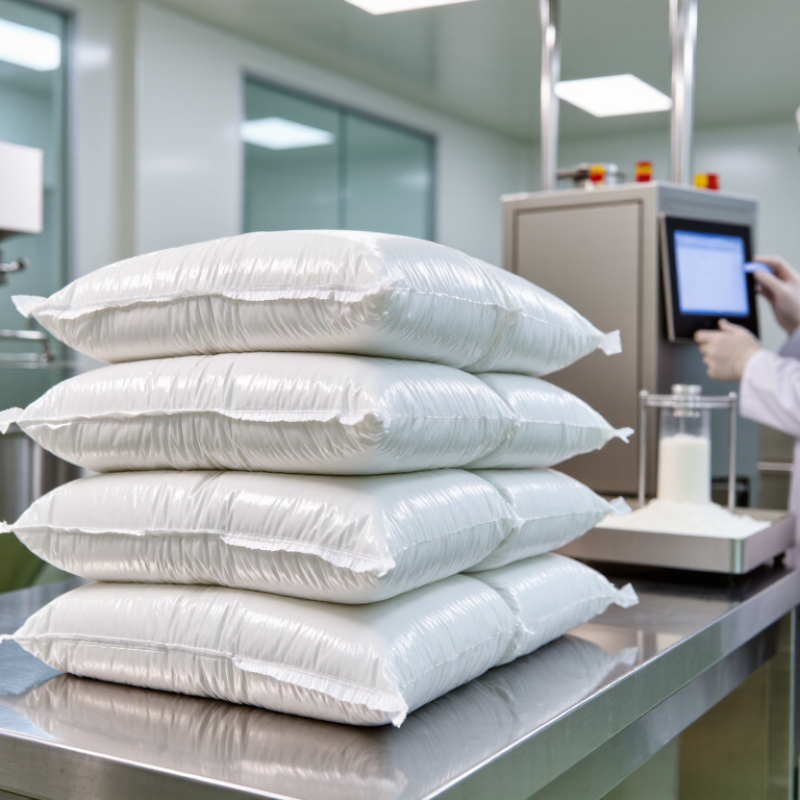
Hydrolyzed Bovine Collagen: Peptides Commonly Below 3 kDa
When evaluating 2026 hydrolyzed bovine collagen suppliers, particle size deserves close attention. Hydrolysis breaks collagen into shorter peptide chains, commonly below 3 kDa. These smaller peptides may disperse more easily in water and support convenient formulation.
A reliable supplier should provide a clear molecular-weight distribution, not only a single “below 3 kDa” statement. Ask whether testing uses gel permeation chromatography, mass spectrometry, or another validated method. The result should show the percentage below 3 kDa. A rough average can be misleading. It may hide a wide peptide range.
Look for traceable cattle sourcing, controlled hydrolysis, and consistent batch records. Certificates should cover protein content, moisture, microbiological limits, heavy metals, and allergen handling. Solubility tests also matter. A powder that dissolves slowly can create problems in beverages or capsules. In practical reviews, I would compare at least three recent batches instead of trusting one attractive sample. Sensory details help too: a mild odor, pale color, and smooth dispersion often indicate better processing, but they are not proof of quality. I have learned that supplier documents can look complete while leaving testing frequency unclear. That gap deserves a direct question. Ask for sample retention policies and technical support before making a purchasing decision.
Supplier Evaluation: Protein Purity, Molecular Weight, and Peptide Profiles
2026 Top Hydrolyzed Bovine Collagen Suppliers?
Selecting a top supplier requires more than checking a low price. Protein purity should be confirmed through current certificates of analysis and independent laboratory results. Look for clear testing methods, not vague claims such as “premium grade.” Purity results should identify collagen content, moisture, ash, and possible contaminants. Batch numbers must match the supplied documents. Traceability matters when quality changes between shipments.
Molecular weight strongly affects dissolution, texture, and potential use in beverages or powdered formulas. However, one average value does not tell the whole story. Ask for the testing technique, distribution range, and reporting limits. Peptide profiles add further detail. A useful report may show peptide size distribution, amino acid composition, and hydroxyproline levels. In supplier evaluations, I have found that incomplete peptide data often creates more questions than confidence. Small differences between batches can also matter. They are easy to overlook.
Tips: Request three recent batches, compare their results, and review the testing laboratory’s qualifications. Confirm whether “low molecular weight” describes an average or a complete distribution. Ask how the supplier controls hydrolysis time and enzyme conditions. Keep records of taste, odor, solubility, and sediment after reconstitution. Numbers look convincing. They are not always enough. A strong supplier answers technical questions directly and acknowledges testing limitations instead of hiding them.
Quality Standards: HACCP, ISO 22000, GMP, and Traceability Requirements
Choosing a top hydrolyzed bovine collagen supplier in 2026 requires more than comparing protein percentages. Quality begins with a working HACCP plan, not a decorative certificate. Ask for documented hazard analysis covering raw materials, processing, allergens, microbes, and foreign materials. Look for clear control points, testing limits, and corrective actions.
ISO 22000 should connect food safety risks with daily production records. Do not accept a framed certificate alone. Confirm its scope, validity, production site, and certification body. GMP becomes visible through clean zoning, controlled water quality, calibrated equipment, and trained operators. Batch records should show temperatures, processing times, sanitation checks, and release approval. Small details matter.
Traceability must work in both directions. Request a mock recall using a real batch number. Can the supplier identify the cattle-origin documentation, processing date, testing results, and shipment destination? Can it trace one finished carton back to its source records? Documents should match physical labels and laboratory reports. An intact seal is useful, but it proves little by itself. No system is flawless. A supplier may have excellent paperwork and still miss a practical control during a busy shift. That gap deserves direct questioning, independent verification, and periodic reassessment before long-term purchasing.
Quality Standards Milestones for Hydrolyzed Bovine Collagen Supplier Qualification
The chart presents key milestone years for quality and food-safety frameworks commonly reviewed during hydrolyzed bovine collagen supplier qualification: GMP, HACCP, ISO 22000, and Codex traceability principles. These dates indicate the development of the frameworks, not supplier rankings or certification validity. Current certificates, audit records, batch traceability, and corrective-action documentation should be verified separately.
2026 Supplier Comparison: Capacity, Certifications, Origins, and Lead Times
2026 Top Hydrolyzed Bovine Collagen Suppliers?
Supplier selection now depends on more than quoted price. Capacity, certifications, origin, and lead time often determine commercial reliability. A supplier producing 100–300 metric tons monthly may support steady orders, but capacity figures require verification. Ask for recent production records, not only a sales presentation.
Certifications should match your intended market and product use. Review ISO 22000, HACCP, GMP, allergen controls, and third-party laboratory reports. Each batch should include protein content, moisture, microbiological results, and heavy-metal testing. Traceability should connect the finished powder to its raw material lot. Small details matter. I would also check whether certificates remain valid during your purchasing period.
Origin documentation deserves equal attention. Bovine hides may come from different regions, so confirm slaughterhouse records, veterinary documents, and processing locations. “European origin” can describe several supply stages, which is not always clear. Request a written supply-chain map. Lead times commonly range from two to eight weeks, depending on stock, testing, packaging, and shipping routes. A practical evaluation includes samples, a pilot order, and one repeat order. The first batch may look excellent, yet consistency can weaken later. This is where many comparisons become too optimistic. Build extra time for customs review and independent testing, especially when importing temperature-sensitive documentation or customized packaging.
