2026 Top Trends in Pet Food Processing Machines for Optimal Production
The pet food industry is evolving rapidly. Innovations in pet food processing machines are at the forefront of this change. Many pet owners seek high-quality, nutritious options for their furry companions. As demand rises, manufacturers must adapt to meet these needs.
Advancements in technology enhance efficiency and precision. These machines play a critical role in production. They ensure that pet food retains its nutritional value and flavor. However, not all machines are created equal. Some may struggle with consistency, impacting product quality.
Investing in the right pet food processing machine is essential. It can lead to significant improvements in production output. Yet, many companies grapple with balancing cost and quality. As we explore the top trends in 2026, challenges and opportunities will emerge. Embracing change is crucial for success in this competitive landscape.
Emerging Technologies in Pet Food Production: Innovations for 2026
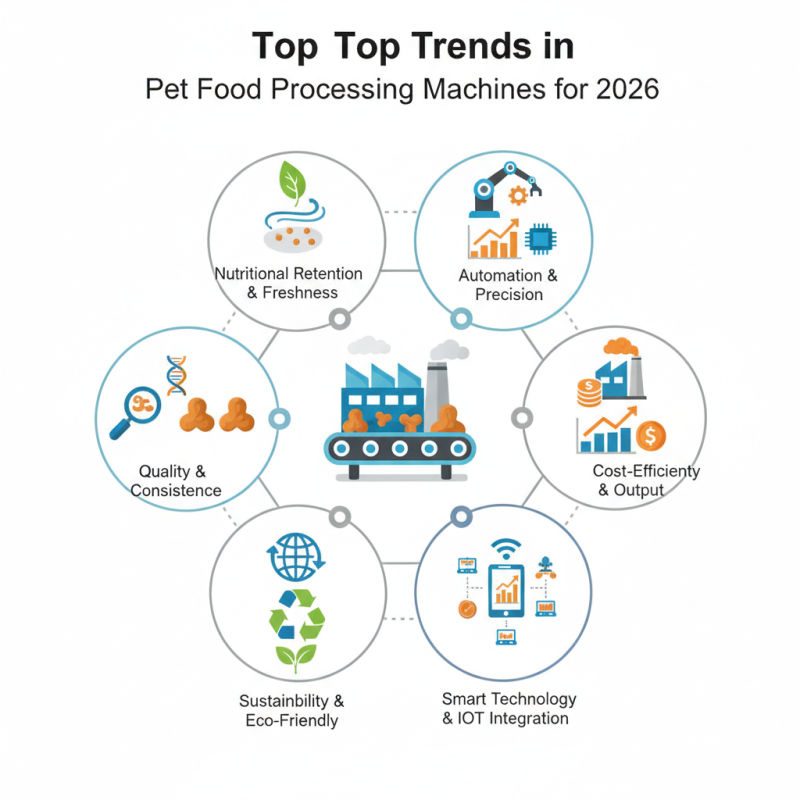
The pet food industry is on the brink of transformation. Emerging technologies are reshaping production processes. Automation is becoming more prevalent. Machines are now equipped with advanced sensors that monitor quality in real-time. This innovation reduces waste and increases efficiency.
Another intriguing trend is the use of sustainable ingredients. Manufacturers are exploring alternative proteins. Insects and plant-based sources are gaining traction. These options offer environmental benefits but come with challenges. Sourcing and processing them require specialized equipment and knowledge. It's essential to assess whether these methods meet evolving consumer expectations.
Moreover, smart technology integration is taking center stage. IoT tools allow remote operation and monitoring. However, this shift raises concerns about cybersecurity. Data breaches could disrupt production. Companies must reflect on their security protocols to safeguard advancements in this space. As the industry progresses, balancing innovation with responsibility will be key.
2026 Top Trends in Pet Food Processing Machines
This chart illustrates the projected growth in different technologies and innovations in the pet food processing industry for 2026.
Sustainability Trends in Pet Food Processing Equipment for Eco-Friendly Production
The pet food industry is evolving. Sustainability is at the forefront of pet food processing equipment. Eco-friendly production methods are gaining traction. According to a recent report, 74% of consumers prefer brands that emphasize sustainability. This trend reshapes how manufacturers approach processing technologies.
Modern machines now integrate energy-efficient designs. This reduces waste and consumption. For instance, advanced extrusion systems are more effective. They optimize ingredient usage and minimize carbon footprints. Reports project a significant reduction in energy usage. These innovations can lower production costs, but many remain hesitant to invest.
Water conservation is another focus area. Innovative cooling systems recycle water used in production. The goal is to reclaim up to 60% of water resources. Yet, manufacturers face challenges in implementing these technologies. The initial costs can be high, and benefits may take time to materialize. Balancing sustainability and profitability remains a point of reflection for the industry.
Impact of Automation on Efficiency and Cost Reduction in Pet Food Plants
The pet food industry is evolving rapidly. Automation is reshaping how plants operate. Increased efficiency and cost reduction are the main goals. Businesses are investing in advanced machinery. This includes automated mixing, cooking, and packaging machines. These innovations lead to consistent product quality and faster production lines.
Tips: Regularly assess your machinery for wear and tear. This could improve operational efficiency. Employees should be trained on new technologies. Adaptation is crucial for maximizing productivity. Automation can reduce human error, but it can also lead to over-dependence. A balance must be found.
As automation becomes more prevalent, some challenges arise. Not all processes can be fully automated. Manual oversight is still necessary to ensure quality. It's essential to maintain a skilled workforce. This workforce can monitor production and provide insights. Reflection on these aspects can lead to better decision-making. The future of pet food processing relies on both technology and human insight.
2026 Top Trends in Pet Food Processing Machines for Optimal Production
| Trend |
Impact on Efficiency |
Cost Reduction |
Technology Used |
| Automation Integration |
Increased production speed by 30% |
Reduced labor costs by 25% |
Robotic process automation |
| AI and Machine Learning |
Enhanced quality control and consistency |
Up to 20% savings on raw material waste |
Predictive analytics software |
| Sustainable Processing Equipment |
Lower energy consumption by 15% |
Reduction in energy costs |
Eco-friendly machinery |
| Smart Sensors |
Real-time monitoring improves downtime tracking |
Minimized repair costs by 10% |
IoT devices |
| Modular Equipment Design |
Flexible production setups increase adaptability |
Decreased setup time costs by 15% |
Interchangeable machine components |
Nutritional Enhancements Driving New Pet Food Product Development
As pet owners become more health-conscious, nutritional enhancements in pet food are gaining traction. Pet food processors are innovating to meet this growing demand. Ingredients rich in omega-3 fatty acids, probiotics, and antioxidants are becoming staples in new formulations. This trend is reshaping product development, pushing companies to rethink their ingredient sourcing and processing methods.
Tips: When formulating pet food, consider local sourcing of ingredients. It can enhance freshness and nutritional value. Explore innovative techniques like freeze-drying to preserve essential nutrients. Adapting to these processes requires investment, but it can yield significant rewards.
Consumer preferences are shifting quickly. Many pet owners seek transparency and health benefits. They want to know what their pets are eating. It’s crucial for brands to communicate their nutritional commitments effectively. However, over-promising can backfire. Companies must ensure their claims are backed by science and real data. Authenticity matters greatly in building trust.