
7 Tips for Buying Neutral Silicon Fertilizer

Choosing a Neutral Silicon Fertilizer involves more than comparing bag prices or bold crop-yield claims. The word “neutral” may refer to a product’s pH, formulation, or marketing description, so check the label for a clear definition. Details matter. Look for the stated silicon source and concentration, and confirm whether the product is intended for soil application, fertigation, or foliar use. These forms are not automatically interchangeable.

Start with soil. A soil test can show whether pH, salinity, or existing nutrient levels should influence your choice. Then compare the product’s instructions with your crop, water quality, and application equipment. A liquid that mixes smoothly in a jar may still behave differently in a full tank. Small tests help. Review the safety information, batch details, and any available certificate of analysis; ask the supplier for missing information rather than relying on a sales promise. That is not enough. Check whether independent evidence supports claims made for your specific crop and growing conditions.

The most useful buying decision is usually the one you can verify. Compare cost per treated area, not just cost per container, and note how many applications the label recommends. If you are unsure, test the product on a limited area and record the rate, timing, and crop response. Results can vary with soil, weather, and management. One honest limitation: no fertilizer can compensate for every underlying problem. Use Neutral Silicon Fertilizer as part of a broader nutrient plan, and consult a qualified local agronomist when conditions or label directions are unclear.
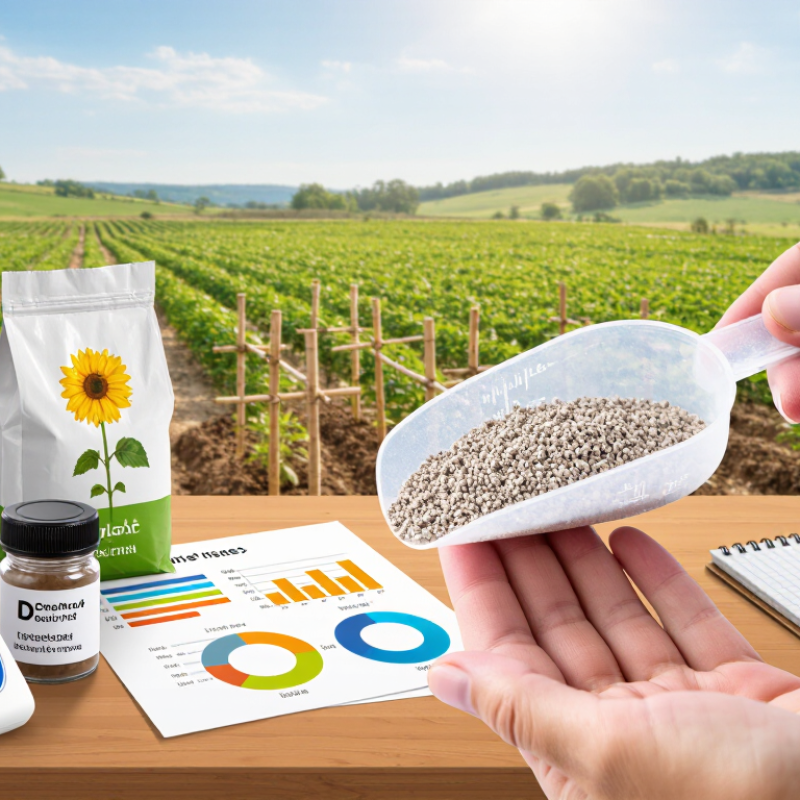
7 Tips for Buying Neutral Silicon Fertilizer

What Neutral Silicon Fertilizer Is and How It Works

Neutral silicon fertilizer is a silicon source formulated to have a near-neutral pH. The term describes the product’s reaction, not a guarantee that every soil will remain neutral after use. Silicon may be taken up by roots and deposited in plant tissues, including leaves and stems. This can help some crops tolerate physical stress, such as wind or dry periods, though results vary by crop, soil, and growing conditions. It is not a replacement for balanced nutrition.

A practical tip: check the label for the silicon form, concentration, and application directions. Products differ in solubility, so a powder may behave differently from a liquid in a watering can. Follow the stated dilution rate; more is not automatically better. A soil test can help show whether pH or available nutrients need attention before you apply anything. Look closely at young leaves after treatment, but don’t judge results from one plant alone.

Another tip: match application timing to the crop and the product instructions. Keep a simple record of the date, dose, and weather. That small habit makes comparisons more useful. I would still be cautious about expecting dramatic changes; silicon responses can be modest, and sometimes the cause of poor growth is something else. If fertilizer is mixed with other inputs, check compatibility first and avoid guessing from appearance alone.

How to Assess Your Soil and Crop’s Silicon Needs

How to Assess Your Soil and Crop’s Silicon Needs

Before buying a neutral silicon fertilizer, check whether your soil or crop is likely to benefit. Soil texture, irrigation water, and past amendments can affect available silicon. Ask a local soil laboratory whether it offers a suitable test; routine soil panels may not include plant-available silicon. Keep the report, and note its sampling depth and date. Small details matter.

Tip: Compare results with crop-specific guidance from an agricultural adviser or extension service. Some crops, including rice and sugarcane, can respond to silicon, but response varies with soil and growing conditions. A pale leaf alone is not proof of low silicon. Check other likely causes, such as water stress or nutrient imbalance.

Look for patterns across the field. Are plants lodging, or showing stress in the same low-lying strip each season? Record crop type, symptoms, and recent yield, then consider tissue testing if a qualified lab recommends it. Not every field needs added silicon. If testing and local guidance support an application, compare products by their stated soluble silicon content and application rate. Also verify what “neutral” means on the label, rather than assuming it guarantees a particular soil effect. I would not decide from one season’s symptoms alone; field notes can be imperfect, but they are better than a guess.

How to Compare Fertilizer Forms, Concentrations, and Ingredients

When comparing neutral silicon fertilizers, look beyond the word “neutral” on the label. Check the stated pH and the form of silicon, since these describe different product properties. A liquid may be convenient for dosing through irrigation, while a powder can be easier to store and transport. Either form still needs careful measuring.

Read the guaranteed analysis for soluble silicon, not just total silicon. Some products list potassium or calcium too; these nutrients may affect your application plan. Check whether the label identifies silicon as plant-available and gives a clear concentration per litre or kilogram. Details matter. Compare the amount delivered at the recommended rate, rather than comparing percentages alone. Also review mixing instructions and compatibility notes, especially before combining the product with concentrated fertilizers. A jar test can reveal clouding or sediment, but it cannot replace label directions. Start with a small treated area and observe crop response; results can vary with soil, water, and growing conditions. I would not assume a higher concentration is automatically better. That comparison is easy to miss.

7 Tips for Buying Neutral Silicon Fertilizer

Theoretical Silicon Content by Chemical Form

These values are calculated from the chemical formulas of pure compounds, not from commercial product labels. Actual concentrations and solubility vary by formulation. When comparing products, check the guaranteed soluble silicon content, ingredient list, and solution pH; “neutral” generally refers to the product’s pH or formulation, not its silicon percentage.

How to Check Product Quality, Solubility, and Compatibility

A neutral silicon fertilizer should come with a clear label showing soluble silicon content, pH, and recommended dilution. Ask for a recent batch analysis, not just a general product sheet. Check that the sample’s appearance matches the description, but do not treat a clear liquid as proof of quality. Some impurities are invisible. Small residue matters.

Solubility should be tested with the water used on your farm. Mix the recommended dose in a clean jar, stir, and observe it for several minutes. Look for cloudiness, sediment, or crystals after standing. Repeat with hard or cold water if those conditions occur in your system. A product that dissolves well in warm laboratory water may behave differently in a cool tank. Record the dose and water conditions; memory is unreliable.

Compatibility needs its own small test. Combine the fertilizer with each intended tank-mix partner at field dilution, then check for heat, clumps, layers, or settling. Test before filling a sprayer or irrigation tank. A jar test cannot confirm crop safety, so follow label directions and local agronomic guidance. I would also check a small treated area first. It takes time, and sometimes the result is still unclear, but skipping that step can cost more.

How to Evaluate Pricing, Labels, and Supplier Reliability

A neutral silicon fertilizer quote is only useful when its basis is clear. Compare cost per kilogram of plant-available silicon, not just price per bag. Check whether the label lists soluble silicon, total silicon, concentration, pH, density, and recommended application rate. These details affect handling and cost in the field. “Neutral” alone does not explain performance.

Market reports offer context, not a ready-made silicon price. The World Bank’s April 2024 Commodity Markets Outlook projected a 22% fall in overall fertilizer prices that year. IFA’s Short-Term Fertilizer Outlook estimated global fertilizer consumption at 192.5 million tonnes of nutrients in 2023. Neither figure isolates silicon products. Treat broad trends as a cross-check, not proof that one supplier’s quote is fair. That distinction is easy to miss.

Ask for a current technical data sheet, a batch-specific certificate of analysis, and a clear explanation of the silicon measurement method. Verify that the document matches the product lot you receive. A small sample can also reveal settling, residue, or unexpected mixing behavior. Keep records. Supplier reliability shows in consistent documents, realistic delivery dates, and useful answers when specifications are unclear. I would still compare a field result before committing to a large order; paperwork cannot show how every soil will respond.

7 Tips for Buying Neutral Silicon Fertilizer - How to Evaluate Pricing, Labels, and Supplier Reliability

Tip What to Evaluate Practical Check What to Request from the Supplier
1. Clarify what “neutral” means “Neutral” may refer to product pH, a marketing description, or compatibility with a particular application. It does not identify the silicon source or guarantee a neutral effect in soil. Ask for the measured pH, the test method, and the conditions used to prepare the sample. Compare products only when the preparation and measurement methods are comparable. A current technical data sheet with the pH test method, sample concentration, and recommended application method.
2. Read the guaranteed analysis Check the declared silicon content and the form in which it is reported, such as silicon (Si) or silicon dioxide (SiO2). These are not the same basis: Si is about 46.7% of SiO2 by mass. Compare like with like. If converting a SiO2 declaration to elemental Si, multiply the SiO2 percentage by approximately 0.467. Confirm that the local fertilizer rules permit the label format. A product label and specification showing the guaranteed analysis, units, source material, and any applicable registration or compliance details.
3. Check the silicon form and availability Silicon products can contain different compounds and physical forms. Total silicon content alone does not establish how readily the product dissolves or supplies silicon under a particular use condition. Match the product’s stated solubility and application route to the intended crop, soil, water, or fertigation system. Do not assume that total Si equals plant-available Si. Solubility or dissolution data, the analytical method used, and crop- and application-specific directions supported by product documentation.
4. Compare price per unit of declared nutrient Bag price alone can be misleading when package sizes and guaranteed concentrations differ. Calculate: price per kg of declared SiO2 = package price ÷ (package mass in kg × SiO2 fraction). Use the same nutrient basis for every quotation; include freight, taxes, and handling where relevant. A written quotation showing package size, guaranteed analysis, minimum order, delivery cost, taxes, and quotation validity period.
5. Inspect the full label and use directions Look for directions, recommended rates, application timing, storage instructions, precautions, and any relevant compatibility or mixing restrictions. Check that the directions fit the target crop and application equipment. Follow the product label and local requirements; do not infer a safe rate from another product’s label. A legible label for the exact product and formulation being quoted, plus a current safety data sheet where applicable.
6. Verify quality and batch consistency Moisture, particle size, physical condition, and nutrient concentration can affect handling and application. A certificate should relate to the supplied batch rather than only describe a general specification. For a first purchase or a high-volume order, compare the batch certificate with the label guarantees and consider independent testing using a suitable laboratory and agreed analytical methods. A batch-specific certificate of analysis, lot number, production or test date, and a clear process for reporting product-quality issues.
7. Assess supplier reliability Evaluate documentation, traceability, delivery performance, communication, and the ability to resolve quality or shipping problems. Check that the invoice, product label, batch documents, and delivery details refer to the same product and lot. Confirm lead time, packaging, storage conditions, and return or claim terms before ordering. References or verifiable trade history, written delivery terms, lot-traceability information, and a documented complaint and replacement process.

Evaluation guide: product suitability depends on the crop, soil or growing medium, application method, and local fertilizer rules. Confirm label claims and use directions for the specific product before purchase.