2026 How to Create Innovative Food Items for Future Dining Experiences?
In the rapidly evolving culinary landscape, the creation of innovative food items is key to enhancing future dining experiences. Chef David Chang, a pioneer in modern gastronomy, once stated, “Innovation in food can redefine how we connect with flavors.” This insight captures the essence of what drives chefs and food creators to push boundaries.
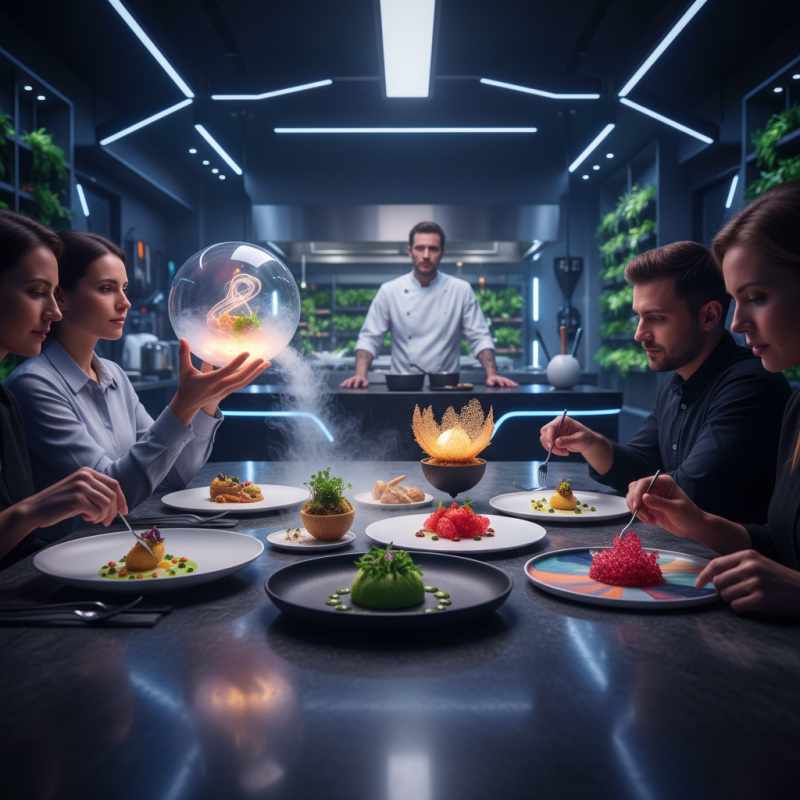
Imagine a world where dining is not just about nourishment, but an immersive experience. Innovative food items can create emotional connections. Think of edible balloons filled with flavored air or dishes that change taste as you eat. Each creation invites reflection on what food could be.
However, the journey to innovation is not without challenges. Balancing creativity with tradition is often tough. Not every trial yields success. The food industry must embrace failure as part of the process. By understanding this, chefs can iterate and refine their concepts to forge truly memorable dining experiences.
Understanding the Concept of Innovative Food Items in Dining
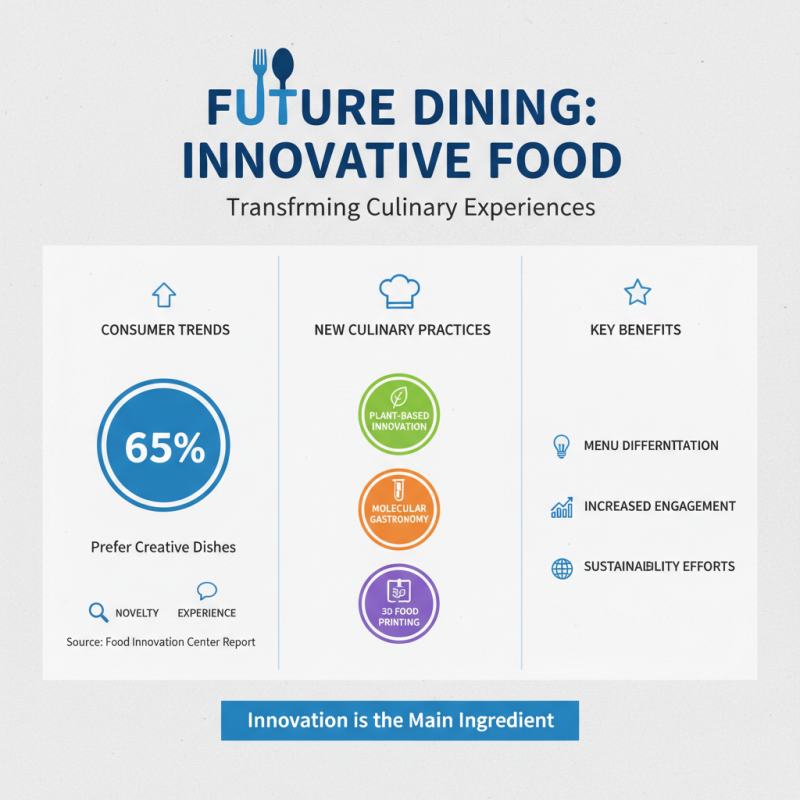
Innovative food items are essential for transforming future dining experiences. Understanding these concepts involves recognizing consumer trends and new culinary practices. A report from the Food Innovation Center suggests that 65% of consumers prefer restaurants that offer creative dishes. This highlights the importance of novelty in food offerings.
To create innovative food items, focus on locality and sustainability. Ingredients sourced from local farmers not only reduce carbon footprints but also enhance flavor. Consider using plant-based alternatives, which have gained popularity. Research shows that 30% of consumers are actively reducing meat consumption. This opens doors for unique, meatless dishes that excite the palate.
Tips for innovation: Experiment with fusion cuisine. Merging different cultural dishes often results in delightful surprises. Additionally, keep taste tests informal—it fosters creativity. Gather feedback, and don't fear failure; it can lead to the best ideas. Offering choices, like customizable meals, can engage diners further. Engaging customers in the creative process can unveil fresh insights. Aim for experiences that surprise and delight.
Identifying Trends and Consumer Preferences for Future Dining
In the evolving landscape of dining, understanding consumer preferences is crucial. People are more adventurous. They seek unique flavors and experiences. Sustainability is also a major concern. Many diners prefer locally sourced ingredients. They support eco-friendly practices. This trend is reshaping menus everywhere.
Tips: Focus on seasonal ingredients. They add freshness and variety to dishes. Experiment with global cuisines. Fusion foods can capture diverse tastes. Consider offering plant-based options. They appeal to a growing segment of health-conscious diners.
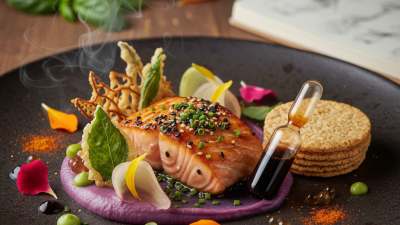
Visual presentation matters significantly. Diners often engage with dishes on social media. A vibrant dish can spark interest. However, balance aesthetics with taste. Not every colorful dish will please every palate. Emphasizing creativity while ensuring flavor is a fine line. Reflect on feedback and adjust accordingly. Listening to customers can guide future innovations.
Exploring Technology's Role in Food Creation and Presentation
As we look to the future of dining, technology is reshaping food creation and presentation. Imagine a restaurant using augmented reality. Diners wear AR glasses, transforming each dish into a visual story. The meal becomes an experience beyond taste. It engages sight and curiosity.
3D food printing is another innovation. Chefs can craft intricate designs, merging art with cuisine. However, this technology raises questions. Does it sacrifice tradition for novelty? Can we truly replicate the essence of homemade meals? Flavor and texture may not always meet expectations, leading to some dissatisfaction.
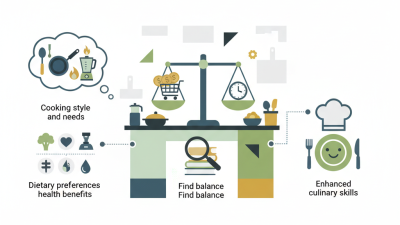
Food technology also promises precision in nutrition. Smart devices analyze ingredients to create balanced meals. Yet, reliance on machines might diminish creativity. What about human touch in cooking? The heart of food often lies in the imperfections and love that go into it. Finding this balance will be key in creating memorable dining experiences.
2026 How to Create Innovative Food Items for Future Dining Experiences? - Exploring Technology's Role in Food Creation and Presentation
| Food Item |
Technology Used |
Innovative Aspect |
Presentation Style |
| 3D Printed Pasta |
3D Printing |
Customization of shapes and flavors |
Artistic plating with vibrant colors |
| Smart Nutrition Smoothies |
AI Nutrition Analysis |
Personalized nutritional content |
Transparent glass with fresh ingredients showcased |
| Augmented Reality Desserts |
AR Technology |
Interactive visual experiences |
Layered displays with projected animations |
| Molecular Gastronomy Foams |
Molecular Techniques |
Unique textures and flavors |
Elegant spoon presentations |
| Biodegradable Packaging |
Sustainable Materials |
Eco-friendly initiatives |
Rustic-looking containers |
Integrating Sustainability into Innovative Food Products
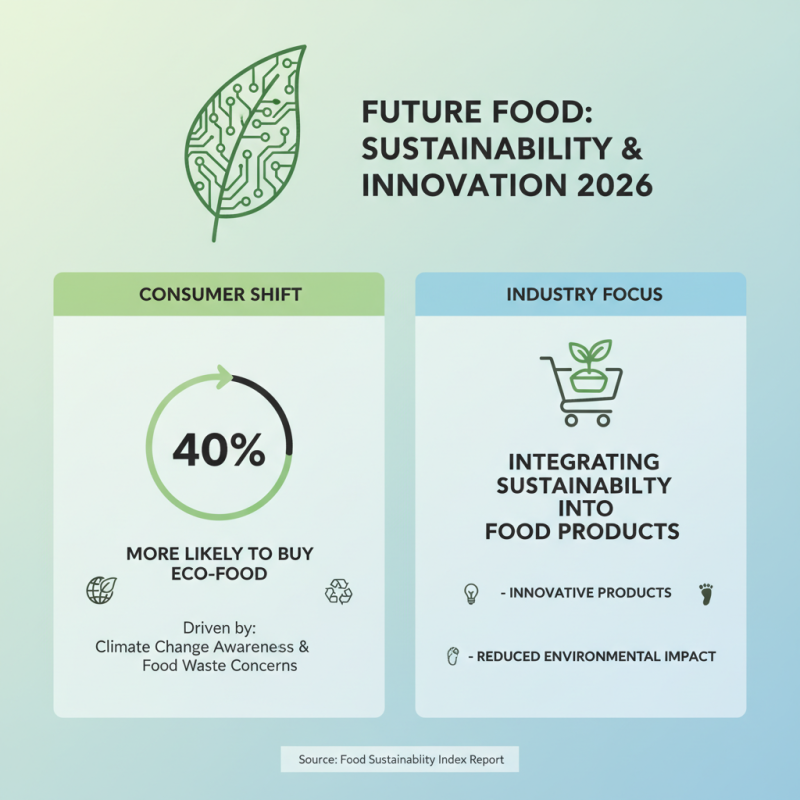
As we look towards 2026, integrating sustainability into innovative food products becomes crucial. A recent report by the Food Sustainability Index indicates that 40% of consumers are now more likely to purchase eco-friendly food items. This shift is influenced by increased awareness of climate change and food waste.
One potential avenue is the use of alternative proteins. Trends show that plant-based proteins are expected to grow by 28% by 2025. These options not only reduce greenhouse gas emissions but also promote biodiversity. However, the challenge lies in overcoming the perception that these products lack flavor or texture. Companies must invest in research to enhance these characteristics, ensuring they attract a broader audience.
Additionally, sustainable packaging plays a vital role. Data from the Global Market Insights suggests that the sustainable packaging market will reach $800 billion by 2027. Yet, not every packaged product follows sustainable practices. Many brands still rely on plastics that are not biodegradable or recyclable. This inconsistency can confuse consumers. Addressing this gap will require transparency and innovation. Companies need to rethink entire supply chains, from sourcing ingredients to end-of-life disposal, to truly align with sustainability goals.
Leveraging Cultural Influences to Inspire Unique Culinary Experiences
Cultural influences profoundly shape culinary experiences. Globalization has intensified the blending of flavors and techniques. A report by the Culinary Institute of America noted that over 80% of consumers enjoy trying international cuisines. Chefs are creatively integrating these diverse influences into innovative dishes.
For instance, Japanese and Italian flavors often merge in unexpected ways. Imagine sushi burritos or ramen burgers. These combinations surprise diners and create excitement. However, not all fusions are successful. Some creations can confuse taste buds rather than delight them.
Line cooks and chefs need to consider local preferences. Crafting dishes that resonate with the community is crucial. A study from the National Restaurant Association indicates that nearly 60% of diners prefer locally sourced ingredients. Emphasizing cultural roots along with innovation can guide culinary direction. The future of dining must balance creativity with understanding.
Innovative Food Items Inspired by Cultural Influences
This bar chart illustrates the percentage of unique food items inspired by various cultural influences in 2026, showcasing how diverse culinary experiences can enhance dining.