How to Discover Innovative Food Products in 2026?
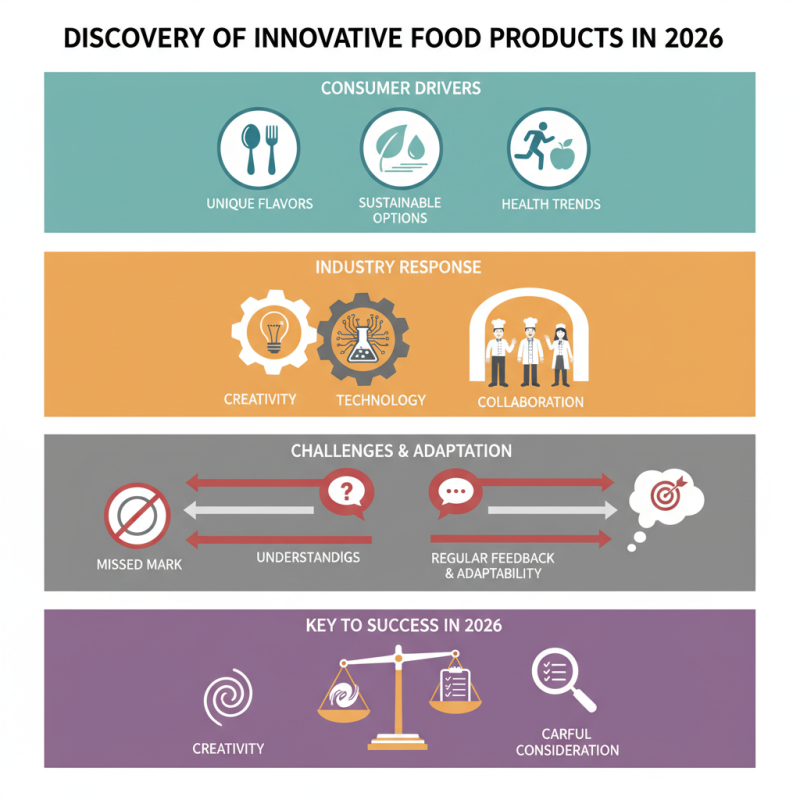
In 2026, the quest for innovative food products is more exciting than ever. Consumers are increasingly seeking unique flavors and sustainable options. Companies are responding with creativity and technology. This landscape is filled with potential, yet it presents challenges.
Exploring this dynamic market requires an open mind. Traditional tastes clash with modern dietary needs. Health trends and environmental concerns shape consumer choices. The best innovative food products emerge from collaboration between chefs, scientists, and marketers. This cross-disciplinary approach sparks original ideas and solutions.
However, not all attempts succeed. Some products may miss the mark or fail to resonate. Understanding consumer preferences is essential for innovation. Regular feedback and adaptability can improve offerings. Ultimately, discovering successful food products in 2026 hinges on balancing creativity and careful consideration.
Emerging Trends in the Food Industry for 2026
As the food industry evolves, 2026 promises significant trends shaping innovative products. A recent report by the Food Innovation Group highlights that 70% of consumers are seeking plant-based alternatives. This shift indicates a growing demand for sustainable options. Brands must adapt to meet these rising expectations, focusing on taste and nutrition.
Food waste reduction is also gaining traction. According to the Global Food Waste Report, approximately one-third of all food produced is wasted. In response, innovative solutions are emerging, such as upcycling ingredients. Companies are exploring ways to transform surplus crops into new food products.
Transparency in sourcing matters more than ever. Surveys show that over 60% of consumers prefer brands that provide detailed information about ingredient origins. This desire for clarity encourages companies to promote ethical practices. However, maintaining transparency can sometimes expose supply chain vulnerabilities. Companies may struggle with consistent messaging across platforms, leading to potential consumer distrust.
Utilizing Technology to Identify Food Innovations
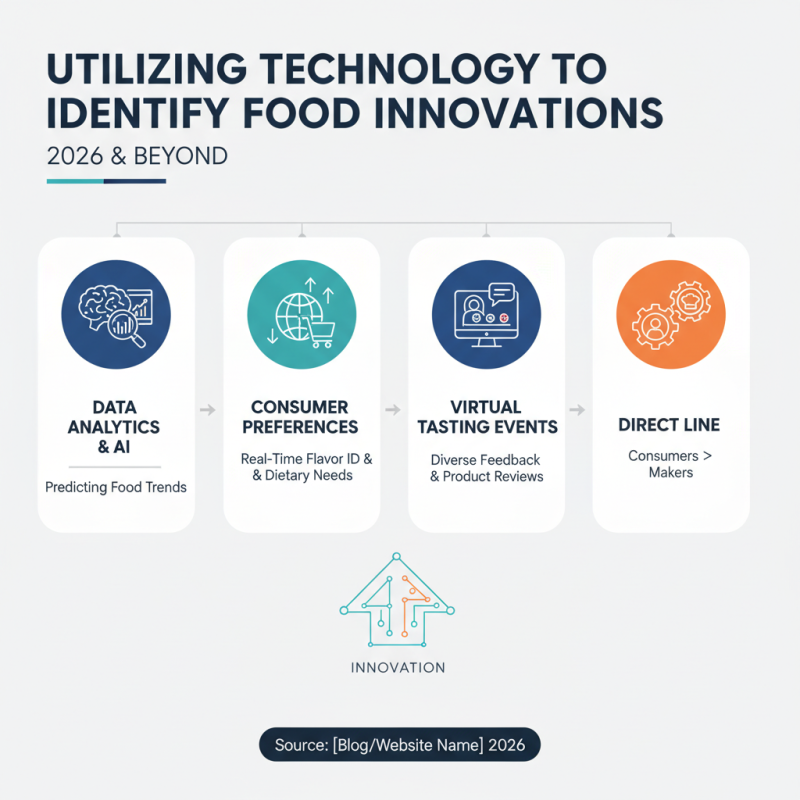
In 2026, technology stands as a vital pillar in uncovering innovative food products. By employing data analytics and AI, businesses can predict food trends more accurately. For instance, tracking consumer preferences in real-time helps identify emerging flavors or dietary needs. Online platforms can host virtual tasting events, allowing diverse feedback on new products. This creates a direct line between consumers and makers.
Moreover, technology aids in sourcing ingredients sustainably. Blockchain can trace the origin of food items, ensuring transparency in supply chains. Consumers increasingly prioritize sustainable practices. They seek products that align with their values. Experimentation with lab-grown meats and alternative proteins further exemplifies how tech shifts the food landscape. This isn't without its flaws, though. Certain methods raise ethical concerns. The discussions around these issues are essential for responsible innovation.
As we navigate this landscape, it’s critical to remain vigilant. Not every trend will resonate in the long term. New products may not always meet consumer expectations. Continuous adaptation and open-mindedness are key. Engaging with food communities and remaining receptive can guide the evolution of food innovation toward meaningful developments.
Consumer Preferences Driving New Food Product Development
In 2026, consumer preferences are pivotal in shaping new food product development. According to a recent report from the Food Innovation Network, 78% of consumers seek unique flavors and sustainable ingredients. This shift highlights a strong desire for innovative options. Many consumers are now prioritizing health and wellness, driving brands to create products that align with these values.
Emerging trends reveal that 65% of millennials prefer plant-based alternatives. This demographic is more informed and health-conscious. They frequently seek transparency in sourcing and production methods. However, not all brands have adapted to these demands. Many still rely on traditional ingredients and methods, risking alienation from a growing customer base.
Moreover, the demand for personalization is rising. The report states that 57% of consumers want food options tailored to their dietary needs. Meeting this challenge requires creativity and agility from food producers. It creates opportunities, but also exposes weaknesses in current offerings. Brands must reflect on their strategies and consider innovative solutions to meet evolving consumer expectations.
How to Discover Innovative Food Products in 2026?
| Product Category |
Key Consumer Preference |
Trend Influence |
Projected Growth (%) |
| Plant-Based Alternatives |
Health Consciousness |
Sustainability |
25% |
| Functional Beverages |
Wellness Focus |
Immunity Boost |
30% |
| Ethnic Food Products |
Culinary Exploration |
Cultural Diversity |
20% |
| Snacking Innovations |
Convenience |
On-the-Go Lifestyles |
18% |
| Zero-Waste Products |
Environmental Responsibility |
Circular Economy |
15% |
Exploring Sustainability in Innovative Food Solutions
The future of food in 2026 will be heavily influenced by sustainability. As consumers become more eco-conscious, the demand for sustainable food solutions is rising. According to a recent report by the Food Sustainability Index, 58% of consumers are willing to pay more for sustainable food products. This trend highlights the growing importance of eco-friendly practices in the food sector.
One effective approach to discovering innovative food products is to focus on local sourcing. By using ingredients from nearby farms, companies reduce carbon footprints and support local economies. This practice not only caters to the sustainability movement but also elevates product freshness. Urban agriculture is gaining traction as well, with a projected growth of 30% over the next five years.
Tips: Consider engaging with local food startups. Visit farmers' markets and seek out sustainable brands. Understand what makes a product truly sustainable. Evaluate its life cycle, from production to waste management. Practice mindful consumption. Not every product labeled as sustainable holds up under scrutiny. Ask questions, and be curious.
Innovation in sustainable food solutions often comes with its challenges. For instance, while plant-based products are viewed as environmentally friendly, some manufacturing processes may still use excessive water. Reflecting on these complexities can help consumers make informed decisions without falling for greenwashing tactics. Being aware of this can enhance the overall journey towards more sustainable eating habits.
Networking with Food Entrepreneurs and Innovators
Networking with food entrepreneurs and innovators can open new doors to discovering innovative food products in 2026. Building genuine connections is essential. Attend local food expos, farm-to-table events, and industry workshops. Engaging in conversations with like-minded individuals can spark fresh ideas. These gatherings offer a platform for sharing insights and experiences.
Consider joining online forums and social media groups focused on food innovation. By actively participating, you can exchange ideas and learn about emerging trends. Listening to others' journeys can inspire your path toward innovation. Don't hesitate to share your own experiences, even if they are flawed or reflect challenges.
Reflecting on past experiences is vital. Not every networking effort will yield immediate results. Some connections may not blossom as expected. Embrace these moments as learning opportunities. An open mindset allows for growth and creativity. Stay curious and keep your eyes peeled for unexpected inspirations in the food industry.
Innovative Food Product Discoveries by Category in 2026