What is a Drain Cleaning Machine and How Does It Work?
A Drain Cleaning Machine is an essential tool for maintaining plumbing systems. These machines are designed to remove clogs and blockages in drains and pipes. The buildup of debris, grease, and other substances can lead to slow drainage or complete blockages. Understanding how these machines work can help homeowners and professionals address plumbing issues efficiently.
The functionality of a Drain Cleaning Machine often involves specialized cables and attachments that navigate through the pipes. As the machine operates, it breaks apart stubborn clogs, restoring proper flow. Users often find that regular maintenance with these machines prevents significant plumbing problems down the line. However, it is crucial to use them correctly to avoid potential damage to pipes.
Many people may underestimate the complexity of drain cleaning. It requires not only the right equipment but also skilled operation. Rushing the process may lead to incomplete clearing or even exacerbating the issue. A thorough understanding of one's plumbing system is vital. Recognizing when to call a professional is just as important as knowing how to use a Drain Cleaning Machine effectively.
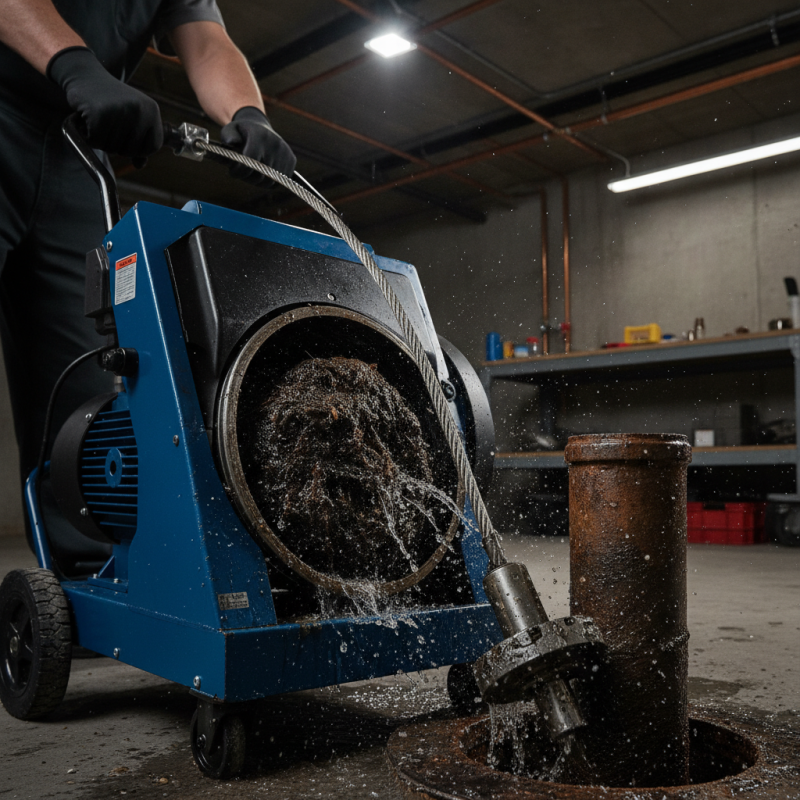
What is a Drain Cleaning Machine?
A drain cleaning machine is an essential tool used to clear clogs in plumbing systems. These machines function by utilizing various techniques, such as hydro jetting or mechanical augers, to eliminate blockages. In residential settings, the use of these machines can prevent costly repairs. According to industry reports, approximately 80% of plumbing problems stem from clogged drains.
Hydro jetting uses high-pressure water to remove debris from pipes. This method is effective for grease buildup and tree root intrusion. Mechanical augers, on the other hand, utilize rotating blades to break up tougher clogs. Each method has its unique applications; understanding the right one can save both time and money.
Tips: Always perform regular maintenance on your drains to prevent heavy clogs. Consider using eco-friendly cleaning solutions as a proactive approach. It’s crucial to monitor any unusual odors or drainage issues early on. These can signal larger problems that drain cleaning machines might not resolve effectively. Remember that relying solely on a machine may not always guarantee a complete fix; sometimes, inspections are needed to identify underlying issues.
Key Components of a Drain Cleaning Machine
A drain cleaning machine is an essential tool in maintaining plumbing systems. Its effectiveness relies on several key components that determine its overall functionality. One of the core elements is the motor, which provides the necessary power to drive the cleaning cable. This motor can range from 0.5 to 2 HP, depending on the machine's design. A more powerful motor often leads to faster and more efficient cleaning processes.
Another critical component is the cleaning cable. Made from durable materials, this cable can withstand significant wear and tear. The cable typically has a diameter of 1/4 to 3/4 inches. Its flexibility allows it to navigate through curves in pipes. The cable is equipped with various cutting heads designed for different types of blockages. Reports suggest that machines with interchangeable heads can tackle diverse issues effectively, enhancing their versatility.
Additionally, the machine's housing protects its internal parts while providing stability during operation. The weight of the machine plays a role too; heavier machines often have better stability, but they can be difficult to maneuver. Proper maintenance of these components is vital, as neglect can lead to decreased performance. Research indicates that regular inspection can increase the lifespan of drain cleaning machines significantly.
Types of Drain Cleaning Machines and Their Uses
Drain cleaning machines are essential tools for maintaining plumbing systems. They come in various types, each designed for specific tasks. The commonly used machines include cable drum machines, water jetters, and handheld augers. According to industry reports, over 45% of plumbing professionals utilize drain snakes, a type of handheld auger, for their versatility in clearing clogs in smaller lines.
Cable drum machines are more powerful and can access larger drains. They feature a rotating cable that breaks through tough blockages. In commercial settings, water jetters are favored for their high-pressure water streams that can clear debris more effectively. A study indicates that water jetters can achieve over a 90% success rate in clearing difficult blockages, underscoring their importance in professional plumbing.
Despite their effectiveness, choosing the right machine remains challenging. Some plumbers may overlook the necessary safety precautions when using these machines, leading to accidents. Regular training is crucial. Furthermore, understanding the types of materials causing clogs can help in selecting the appropriate machine. Reflecting on past experiences can yield insights into improving drain cleaning techniques without unnecessary risks.
How a Drain Cleaning Machine Works
A drain cleaning machine is an essential tool in plumbing. It effectively removes blockages, allowing wastewater to flow freely again. These machines come in various designs, with the most common being the drain auger or hydro jet.
When you operate a drain cleaning machine, you attach a rotating cable with a cutting head. This cable penetrates the clog, breaking it apart or pulling it free. Hydro jetting uses high-pressure water to blast away debris. Both methods can clear roots, grease, and other stubborn deposits. It's crucial to choose the right method based on the blockage type.
Here are some tips for effective use:
- Always wear protective gear. Gloves and goggles are essential.
- Don't force the machine; it may lead to damage.
- Know when to call a professional if clogs persist. Not all issues can be resolved with DIY methods.
Drain cleaning can sometimes fail. Limited access points or complex plumbing can complicate the process. Regular maintenance can prevent harsh clogs from forming. Clean your drains regularly to avoid heavy build-up.
Drain Cleaning Machine Performance Analysis
This chart illustrates the performance metrics of drain cleaning machines, highlighting their speed, ease of use, effectiveness, and noise level.
Maintenance Tips for Drain Cleaning Machines
Maintaining a drain cleaning machine is crucial for its longevity and performance. Regular inspection of the components, such as cables and blades, can prevent unexpected issues. Always ensure the machine is cleaned after each use. Residual debris can lead to rust or damage. Pay attention to odd noises during operation; they can indicate wear on parts.
One effective tip is to lubricate moving parts as recommended by the manufacturer. This not only enhances efficiency but also reduces wear over time. If the machine becomes difficult to maneuver, check for any tangled cables. Keeping cables organized can avoid unnecessary stress on the equipment.
Don’t forget to follow safety protocols. Wearing gloves and protective eyewear is essential. These precautions help prevent injuries. Test the machine in small areas before tackling larger problems to understand its capabilities. This practice can save time and effort when dealing with tougher blockages.
What is a Drain Cleaning Machine and How Does It Work? - Maintenance Tips for Drain Cleaning Machines
| Aspect | Description |
| Machine Type | Electric, Manual, or Air-powered |
| Common Uses | Clearing clogged drains, sewer lines, and pipes |
| Mechanism | Uses rotating blades or cables to break up clogs |
| Maintenance Tips | Regularly remove debris, check cables for wear, lubricate moving parts |
| Safety Precautions | Wear gloves and goggles, disconnect power before servicing |
| Storage Recommendations | Store in a dry place, ensure all parts are clean and free from blockages |
