How to Embrace Innovative Food Technology for Better Nutrition?
In recent years, innovative food technology has emerged as a powerful tool for enhancing nutrition. According to a report by the International Food Information Council in 2023, around 70% of consumers are increasingly interested in food innovation. This shift reflects a growing awareness of the relationship between diet and health. The potential for these technologies to improve nutrition is significant, but not without challenges.
Dr. Susan Kearney, a leading expert in food technology, emphasizes, "Innovative food technology can redefine our nutritional landscapes." Her insights highlight the importance of adaptation within the food industry. However, reliance on technology raises questions about sustainability and accessibility. The potential for innovation may not reach marginalized communities effectively, revealing a gap in equal food distribution.
Moreover, while innovative food technologies offer healthier alternatives, they can sometimes lead to unintended consequences. For instance, the introduction of plant-based proteins may displace traditional food sources. Thus, it becomes essential to navigate the complexities of these advancements thoughtfully. Embracing innovative food technology requires careful consideration of ethical implications and community needs.

Understanding Innovative Food Technology and Its Importance
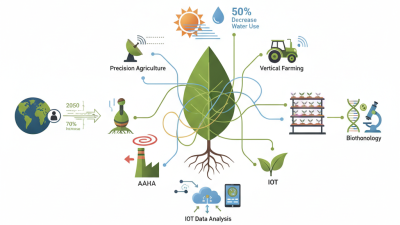
Innovative food technology is reshaping the landscape of nutrition. According to a 2022 report by the Food and Agriculture Organization, the global population is expected to reach 9.7 billion by 2050. This surge necessitates advancements in food production and delivery methods. Technologies like vertical farming and lab-grown meat are becoming crucial. They minimize land use and reduce greenhouse gas emissions.
Moreover, advancements in food processing improve nutrient availability. A study published in the Journal of Nutrition found that nutrient retention in food can increase by 40% with modern cooking techniques. These innovations enhance the nutritional profile of everyday foods. However, reliance on technology raises concerns about food quality and the loss of traditional methods. Balancing innovation with heritage is essential.
Consumer acceptance is another hurdle. A survey by the International Food Information Council indicates that nearly 35% of consumers are hesitant about genetically modified organisms. Education and transparency in food technology are vital to overcome skepticism. As we adopt new technologies, we must reflect on their implications for our health and our planet.
Exploring the Impact of Food Technology on Nutritional Value
Innovative food technology has transformed the way we perceive nutrition. Advances in food processing, such as fortification and bioengineering, have enhanced the nutritional profiles of many products. According to the Food and Agriculture Organization, up to 2 billion people suffer from micronutrient deficiencies. This highlights the need for effective food technology solutions to enhance nutritional value.
One notable trend is the use of precision fermentation, which creates food products high in protein while using fewer resources. Research shows that foods produced through this method can have a reduced environmental impact. For example, a study published in the Journal of Clean Production indicated a potential 90% reduction in greenhouse gas emissions. Such figures are not merely aspirational; they provide a pathway for achieving better nutrition sustainably.
However, the reliance on technology raises questions about authenticity and nutrient absorption. Some argue that highly processed foods might lack the same benefits as whole foods. Skepticism exists regarding the health impacts of consuming these new products regularly. As we embrace innovation, it is crucial to maintain a balance. Understanding the potential drawbacks will enable consumers to make informed dietary choices, ensuring that technology serves as a tool for enhancing health rather than a replacement for natural nutrition.
How to Embrace Innovative Food Technology for Better Nutrition?
| Food Technology Innovation |
Nutritional Benefits |
Impact on Dietary Habits |
Consumer Adoption Rates |
| Fortified Foods |
Increased vitamins and minerals |
Encourages consumption of essential nutrients |
25% of consumers prefer fortified options |
| Plant-Based Proteins |
Lower in saturated fats |
Shift towards vegetarian diets |
30% increase in adoption over the last year |
| 3D Food Printing |
Customizable nutrient profiles |
Personalized meal options |
Emerging interest from health-conscious consumers |
| Fermented Foods |
Probiotics for gut health |
Encourages healthier digestion |
Growing trend with a 15% rise in consumption |
| Nutraceuticals |
Enhanced health benefits |
Support for specific health conditions |
20% of consumers regularly use nutraceuticals |
Identifying Key Innovations in Food Production and Processing
Innovative food technology is transforming how we approach nutrition. Key advancements in food production and processing are critical to improving health outcomes.
Vertical farming, for instance, utilizes small spaces efficiently. This technology reduces the need for pesticides and water, producing fresh produce year-round. It allows urban areas to increase local food supplies, reducing transportation emissions.
Another noteworthy innovation is lab-grown meat. This method aims to reduce the ecological footprint of traditional livestock farming. However, it raises questions about taste, texture, and market acceptance. Not all consumers are ready to embrace it. Similarly, biotechnological advancements in food processing enhance nutrient retention. But this also prompts concerns about transparency and consumer trust.
Sustainable sourcing of ingredients is essential. Blockchain technology can improve traceability in supply chains. It enables consumers to know where their food comes from. Yet, there are challenges related to data security and privacy. Food technology is evolving rapidly, but it’s vital to balance innovation with ethical considerations and consumer needs.
Adapting Eating Habits to Leverage Advanced Food Technologies
Adapting our eating habits is vital as food technology advances. New innovations, like lab-grown meat and plant-based alternatives, can greatly enhance our nutrition. By embracing these foods, we can reduce our carbon footprint and improve our health markers.
Many people resist change. Familiar habits can often feel more comfortable, even if they aren't the healthiest choice. Try gradually incorporating innovative foods into your meals. Start with simple swaps, like oat milk instead of cow's milk. Explore options in the grocery store, or experiment with new recipes at home.
Engaging in this transition requires an open mind. There are hurdles. It might take time to find flavors you enjoy. Still, reflecting on dietary choices can lead to better nutrition over time. Consider the impact of your food choices not just on your body but also on the planet. Making conscious decisions about what we eat opens up a world of possibilities for a healthier lifestyle.
Future Trends in Food Technology for Improved Nutrition and Health
The integration of food technology is reshaping nutrition. Innovations are emerging that promise to enhance our health. For example, personalized nutrition based on individual DNA is gaining traction. This approach tailors diets to meet specific nutritional needs, potentially improving overall well-being.
Plant-based alternatives are another trend reshaping our plates. These provide essential nutrients while reducing environmental impact. Many people are exploring lab-grown meat products, aiming to satisfy cravings with fewer resources. However, challenges remain in consumer acceptance and taste replication. The journey toward better nutrition requires more than just innovation; it demands trust and careful consideration.
Precision farming technologies are transforming food production. They use data analytics to optimize yield and quality. These advancements help farmers reduce waste and use resources efficiently. Yet, concerns about food security and access persist. Balancing innovation with social responsibility is crucial for future developments in food technology.