Essential Food Processing Tips for Beginners to Improve Quality?
Food processing is an essential skill for anyone looking to improve their cooking and meal preparation. Beginner cooks often overlook fundamental techniques that can significantly impact the quality of their food. Understanding these tips can lead to fresher flavors and better nutrition.
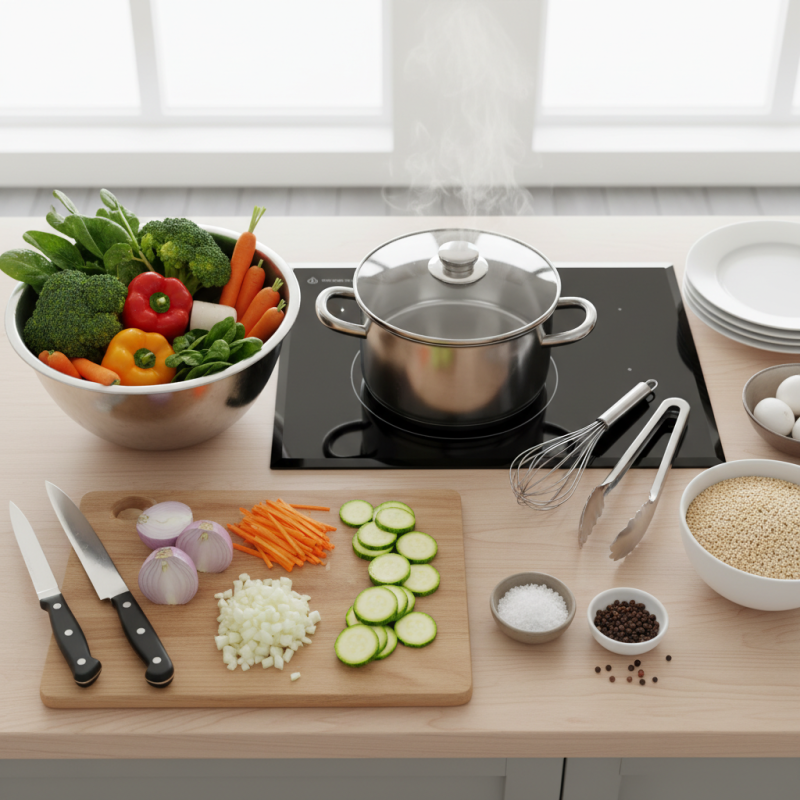
When starting, focus on basic food processing methods. These techniques include washing, cutting, and cooking. Each step contributes to your dish's overall success. For example, properly washing vegetables ensures you remove contaminants. Cutting ingredients uniformly helps them cook evenly. These small actions can make a big difference.
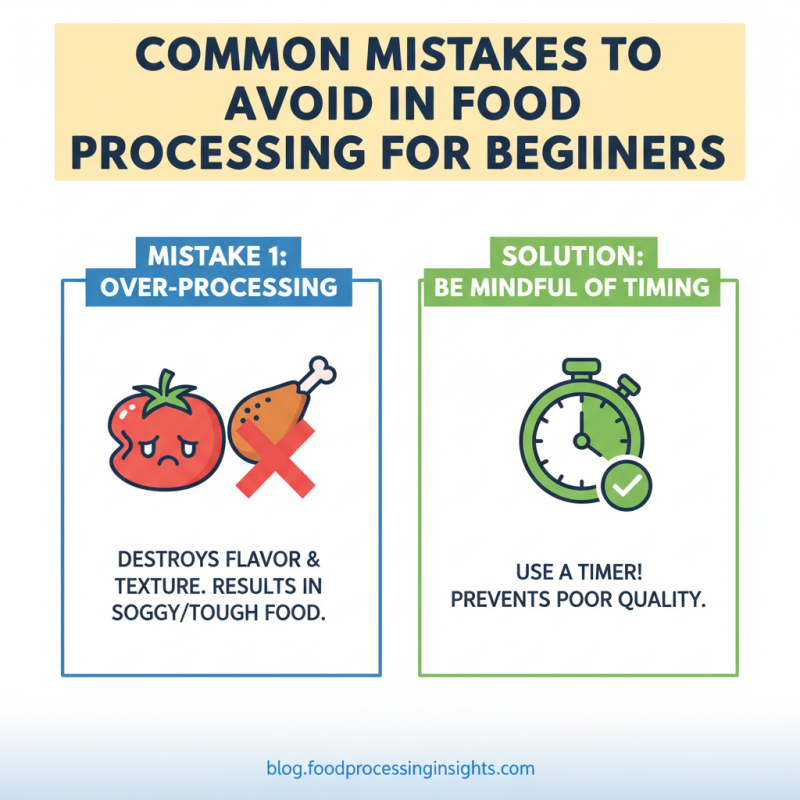
It’s easy to rush through food processing tasks. Impatience often leads to mistakes, resulting in poorly cooked meals. Reflecting on your techniques can help identify areas for improvement. Over time, you will develop more confidence and create delicious dishes. Embrace the learning process, and remember that even experienced cooks were once beginners.
Understanding the Basics of Food Processing Techniques
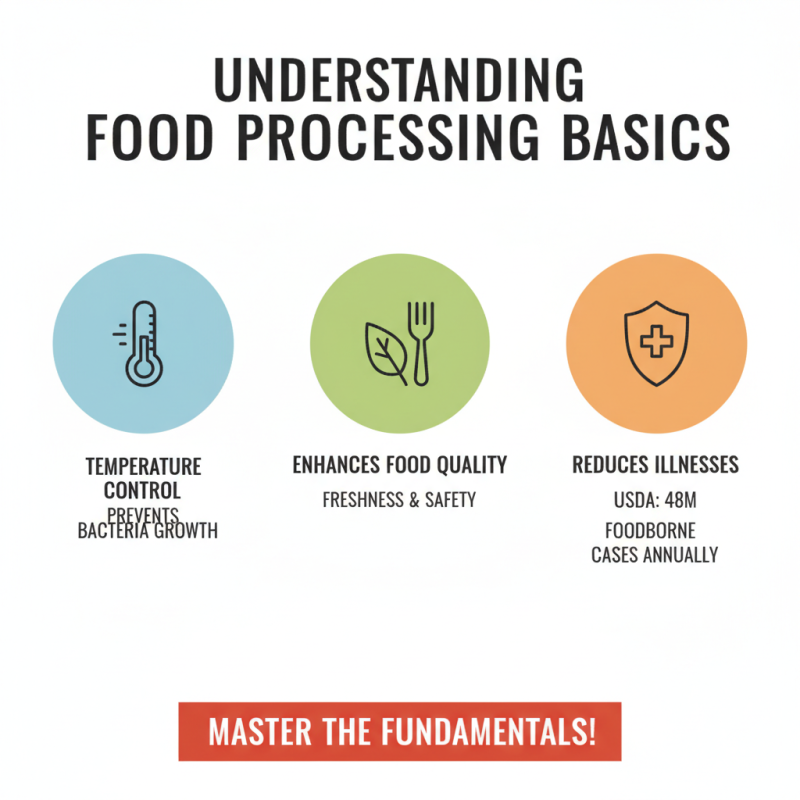
Food processing is an essential skill for anyone looking to enhance the quality of their meals. Understanding basic techniques can greatly affect the freshness and safety of food. For instance, using proper temperature control can prevent the growth of harmful bacteria. A report from the USDA indicates that improper food handling leads to nearly 48 million cases of foodborne illnesses each year. This statistic underscores the importance of mastering the fundamentals of food processing.
One vital technique is blanching, which involves briefly boiling fruits or vegetables. This method preserves color and nutrients while also improving texture. Cooking them quickly before freezing can lock in flavors. However, many beginners overlook the timing. Over-blanching can lead to nutrient loss, while under-blanching may not kill off all harmful bacteria. Finding a balance is crucial.
Additionally, dehydration is a popular method to extend shelf life. When done correctly, it can retain most of the food's vitamins. The FDA reports that drying can reduce the weight of food by 80 to 90%. Yet, beginners must be cautious of moisture levels. Too much moisture can lead to spoilage. It is a constant learning curve that requires patience and attention to detail. Experimenting with different techniques can lead to delicious results over time.
Choosing the Right Equipment for Effective Food Processing
Choosing the right equipment is crucial for effective food processing. Beginners might feel overwhelmed by the options available. Focus on what you need the most. A good food processor can make chopping and mixing easier. Look for features that suit your cooking style.
Consider your kitchen space before buying. Large machines can take up valuable counter space. Smaller options can still offer great results. Don’t overlook basic tools like knives and cutting boards. Sometimes, simplicity yields the best quality.
Tips for beginners: Always read user manuals. Understanding your equipment will save time. Clean your tools regularly to prevent cross-contamination. Experimentation is key, but note what works and what doesn’t. Mistakes are part of the learning process. Reflect on your results. This will help you improve over time.
Essential Safety and Hygiene Practices in Food Processing
Maintaining safety and hygiene in food processing is crucial. Clean work surfaces are essential. Always wash your hands before handling food. Use hot, soapy water for cleaning utensils and equipment. Ensure all ingredients are fresh and stored properly. A lack of attention to detail can lead to foodborne illnesses.
Cross-contamination is a common issue. Keep raw meats separate from other foods. Use different cutting boards for vegetables and meats. It's easy to overlook this, but the consequences can be severe. A single mistake can contaminate an entire batch, leading to waste and health risks.
Personal hygiene is equally important. Wear clean clothing while processing food. Hair should be tied back or covered. Avoid touching your face or hair during food preparation. These small actions can make a big difference. Regularly remind yourself of these practices. Reflection can help improve your food processing quality over time.
Essential Food Processing Tips for Beginners
Quality Control Measures to Enhance Processed Food
Quality control is key in food processing. It ensures safety and enhances taste. Effective measures can make a big difference. Regular checks on raw materials can help maintain quality. Fresh ingredients lead to better final products.
Monitoring temperature and time during processing is crucial. Overcooking can ruin flavor. Undercooking can pose health risks. These small adjustments create a significant impact. Testing samples before large batches is a good habit. It can prevent major issues later.
Documentation is essential as well. Keeping records of each batch helps identify patterns. If a poor-quality product arises, tracing back can prevent future errors. Reflecting on mistakes can lead to improvement. Practicing these measures builds a foundation for better food processing.
Essential Food Processing Tips for Beginners to Improve Quality
| Processing Tip |
Description |
Quality Control Measure |
| Proper Ingredient Sourcing |
Choose fresh and high-quality ingredients to ensure the best end product. |
Conduct supplier audits and ingredient tests before use. |
| Maintaining Clean Equipment |
Regularly clean machinery and utensils to prevent contamination. |
Implement a cleaning schedule and use sanitizers. |
| Consistent Temperature Control |
Keep processing temperatures consistent to preserve quality. |
Use calibrated thermometers and monitor temperatures regularly. |
| Standardized Recipes |
Follow the same recipe protocols for uniform results. |
Train staff on recipe adherence and documentation. |
| Quality Testing |
Regular checks on the final product to identify issues. |
Utilize sensory, chemical, and microbiological testing. |