2026 Food Tech Innovations That Will Change Global Sourcing?
The food industry stands at a transformative crossroads, driven by food tech advancements. Innovations in this sector will reshape how we source and distribute food globally. Emerging technologies offer new methods to enhance efficiency, transparency, and sustainability in food sourcing.
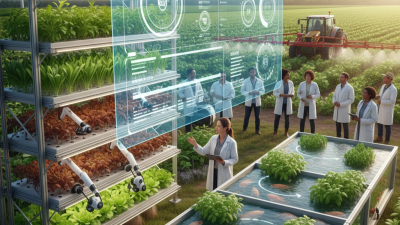
One major change is the rise of vertical farming. This method uses controlled environments to grow crops year-round. It reduces the need for long-distance transportation. However, reliance on technology may lead to unexpected challenges in supply chains. Maintaining crop quality is critical, yet not always guaranteed.
Blockchain technology is also making its mark. It enables traceability from farm to table. Consumers demand to know where their food comes from. But, some may question the complexity of these systems. The balance between convenience and transparency will be essential. As we delve deeper into food tech innovations, we should remain aware of the risks and unintended consequences.
Emerging Food Tech Trends Shaping Global Sourcing Strategies
Emerging food tech innovations are transforming global sourcing strategies. Technologies like blockchain and AI are enhancing traceability and efficiency in sourcing. According to a report by Allied Market Research, the global food tech market is expected to reach $342 billion by 2027, indicating the significant impact emerging technologies will have.
One major trend is the use of vertical farming. This method reduces transportation costs and carbon footprints. A study from PwC shows that urban vertical farms can cut water usage by up to 90%. However, challenges such as high initial investment costs and energy requirements need reflection. Not all regions can support such technology, leading to disparities in accessibility.
Sourcing through data analytics is also on the rise. Companies can now analyze consumer behavior and optimize their supply chains accordingly. For example, a recent survey revealed that 63% of companies using data analytics reported improved sourcing efficiency. However, reliance on technology can sometimes lead to overlooking local suppliers. This can hurt small-scale farmers and disrupt community supply networks.
**Tips:**
Consider local sourcing as a complement to technology. This balances efficiency with community support.
Evaluating the technology’s environmental impact is essential. Not all innovations are equally sustainable.
Innovative Supply Chain Solutions in Food Technology for 2026
As we approach 2026, innovative supply chain solutions in food technology are set to revolutionize global sourcing. The global food supply chain is increasingly utilizing artificial intelligence and blockchain technologies to enhance transparency and efficiency. According to a report by the World Economic Forum, businesses that adopt AI in their supply chains can improve operational efficiency by up to 30%. This shift could significantly reduce costs and improve responsiveness to market demands.
The trend toward localized sourcing is gaining traction. Research indicates that 70% of consumers prefer locally sourced foods. This change reflects a growing desire for sustainability and quality assurance in the food supply. While this strategy promotes freshness, it also poses challenges in balancing supply and demand across regions. Supply chain disruptions can still occur, making it essential for companies to develop adaptable sourcing strategies.
Another key innovation involves data analytics. Firms leveraging real-time data can better predict consumer trends, helping mitigate food waste. A study by the Food and Agriculture Organization shows that improved forecasting could cut global food waste by 20%. However, integrating these technologies requires investment and expertise. Not all companies are prepared for this transition, raising questions about equitable access to these tools across the industry.
Impact of Automation and AI on Food Sourcing and Production
The integration of automation and AI in food sourcing is transforming the industry. Precision farming uses drones and sensors. These tools help monitor crop health and optimize yields. With data analytics, farmers can make informed decisions. This leads to better resource management and reduced waste. However, reliance on technology raises concerns about data privacy and security.
Automated systems streamline supply chains. They can predict demand, reducing overproduction. This allows for a more efficient allocation of resources. Yet, over-automation may result in job loss. Workers need to adapt to new roles in this changing landscape. The challenge lies in balancing innovation with human employment.
AI can enhance quality control in food production. Machine learning models detect defects more accurately than human inspectors. This lowers the chances of foodborne illnesses. However, this reliance on automation can lead to complacency. Continuous training and diverse skill sets remain crucial for adapting to emerging technologies. The journey toward a smarter food system is still evolving.
2026 Food Tech Innovations That Will Change Global Sourcing
| Innovation |
Impact on Sourcing |
Impact on Production |
AI/Automation Role |
| Precision Agriculture |
Enhanced yield prediction and resource management |
Optimized planting and harvesting processes |
Utilization of AI for data analysis and decision-making |
| Blockchain for Supply Chain |
Increased transparency and traceability of sourcing |
Improved logistics and inventory management |
Automation of contract execution and verification |
| Vertical Farming |
Local sourcing with reduced environmental impact |
Efficient use of space and resources |
Automation in climate control and harvesting |
| AI-Powered Food Safety |
Proactive identification of sourcing risks |
Streamlined inspections and compliance processes |
Machine learning for predictive analytics |
| Robotics in Food Processing |
Reduced labor costs and improved worker safety |
Faster and more consistent production lines |
Robotic automation in packaging and quality control |
Sustainability Practices in Food Tech Innovations for Global Sourcing
In recent years, sustainability has become crucial in food tech innovations. A report by Statista indicates that sustainable food sourcing is projected to reach a market value of $600 billion by 2025. This shift is driven by consumer demand for ethically sourced products. Companies are adopting transparent supply chains to meet these expectations, yet challenges persist. Many businesses struggle with certification processes and traceability.
Innovative farming technologies, such as vertical farms and hydroponics, are changing how food is produced. According to the Food and Agriculture Organization (FAO), urban agriculture could supply up to 70% of the food consumed in cities by 2030. However, high initial investment costs can deter smaller producers. Effective collaboration with tech partners could enhance accessibility.
Despite technological advancements, food waste remains a pressing issue. The United Nations Environment Programme estimates that around 1.3 billion tons of food is wasted globally each year. Innovations like smart inventory systems can help address this problem, yet many organizations lack the resources to implement them. Cultivating a culture of sustainability must involve all stakeholders, from farmers to consumers.
Consumer Preferences and Their Influence on Food Tech Developments
As consumer awareness grows, preferences are shaping food tech innovations. Today's consumers are more concerned about sustainability, nutrition, and transparency. These trends influence sourcing practices globally. Companies are now prioritizing local and organic ingredients, shifting away from mass-produced foods. Consumers demand fresher options, leading to innovations in vertical farming and hydroponics.
Moreover, health consciousness is prompting the development of personalized nutrition apps. These tools analyze dietary needs and suggest tailored food choices. Businesses must adapt. Not all companies grasp these changes, risking their market position. Resistance to adopting new technology can lead to missed opportunities.
Trust remains paramount. Consumers want to know the origins of their food. Yet, many companies struggle with full transparency in their supply chains. There are gaps in communicating sourcing practices. This lack of clarity can deter customers. Failure to address consumer demands today may hinder growth in the competitive food sector of 2026.