Why Are Food Tech Products Revolutionizing Global Sourcing?
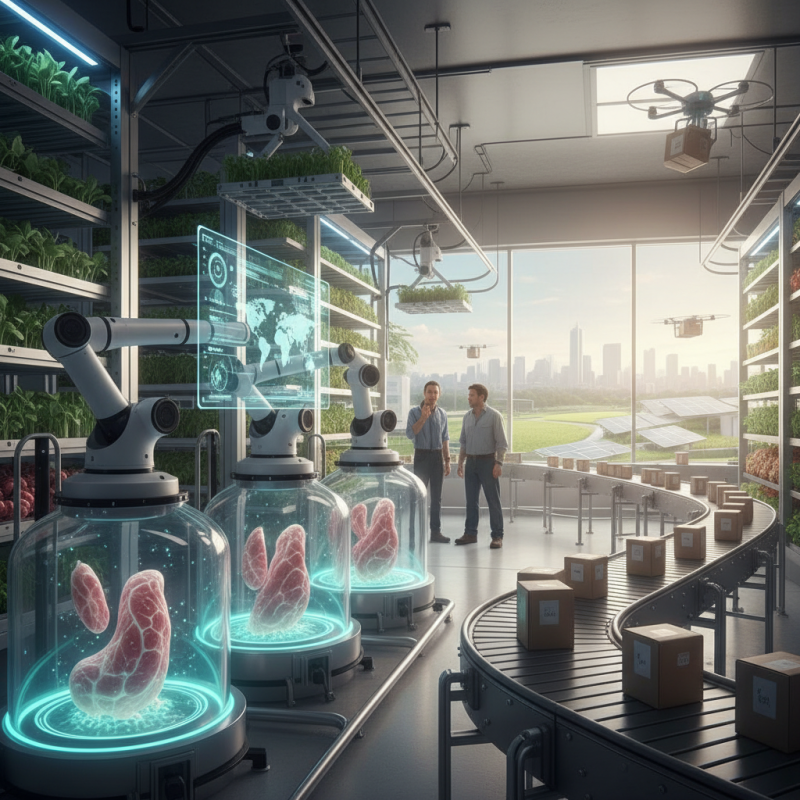
The rise of food tech products is transforming global sourcing in unprecedented ways. These innovative advancements are reshaping how we interact with food systems. From lab-grown meats to automated supply chains, the landscape is evolving rapidly.
Food tech products address the significant challenges of sustainability and food security. They offer solutions to reduce waste and enhance nutritional value. However, the shift is not without its challenges. Many traditional producers face uncertainty as new technologies emerge.
Innovation is often met with skepticism. Some consumers question the safety and authenticity of these products. Reliability remains a critical factor in acceptance. While these advancements promise efficiency, they must also ensure quality and trust. As we navigate this transformation, a balanced approach is crucial.
The Evolution of Food Technology and Its Impact on Sourcing
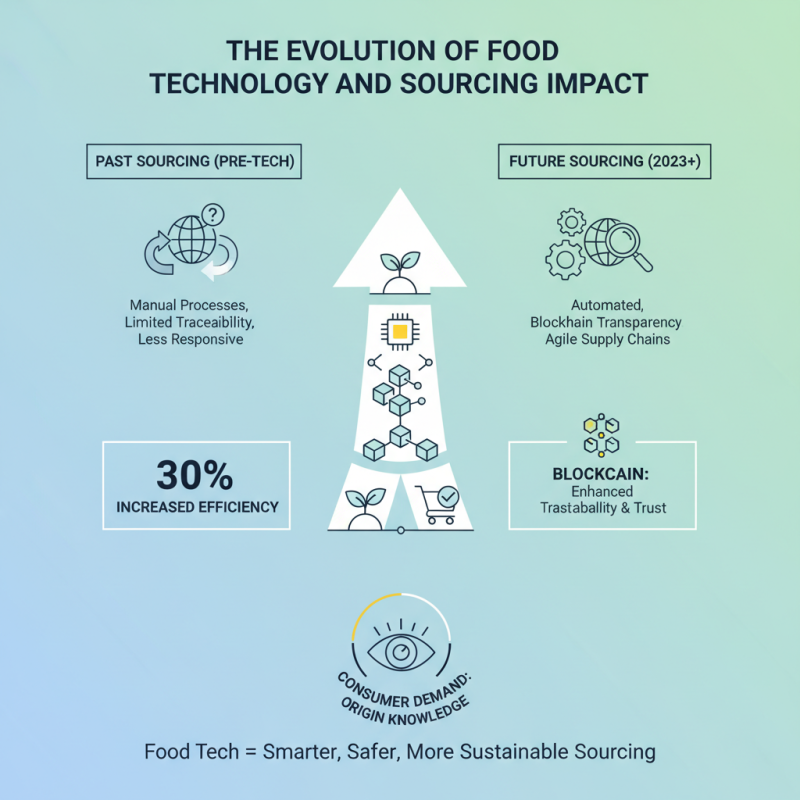
The evolution of food technology has significantly transformed global sourcing methods. As of 2023, data from industry reports indicate that food tech innovations could enhance sourcing efficiency by up to 30%. These technologies streamline processes, ensuring supply chains are more responsive and less wasteful. The incorporation of blockchain technology allows better traceability. It strengthens trust between suppliers and consumers. This transparency is now more critical than ever, as consumers demand to know the origins of their food.
According to recent trends, over 50% of food companies are investing in AI for predictive analytics in sourcing. This advancement could potentially reduce food spoilage, a major concern for producers. Yet, despite these improvements, there are challenges. Many smaller producers struggle to implement these systems. They often lack the necessary resources or knowledge. Furthermore, while larger organizations benefit from tech, they may overlook local sourcing practices that foster community relationships. These tensions highlight an ongoing need for balance in food tech adoption.
Key Innovations in Food Tech Transforming Global Supply Chains
The food tech sector is experiencing unprecedented growth. Innovations are reshaping global supply chains significantly. Research predicts a market increase to $250 billion by 2025. This transformation results from efficiency, transparency, and sustainability demands. Companies leverage technology for improved logistics and resource management.
Blockchain technology, for example, ensures traceability from farm to table. Quick response times help meet consumer demands effectively. According to a report, 70% of supply chain professionals are investing in data analytics. This enhances decision-making and reduces waste. Automation in warehousing minimizes human error but raises concerns about job displacement.
Moreover, vertical farming is emerging as a solution to food scarcity. With vertical farms using 90% less water, the environmental impact decreases. However, scaling such innovations is a challenge. Many farms still rely on traditional methods. Ensuring sustainability and efficiency remains a work in progress. As the food tech landscape evolves, the industry must reflect on its long-term implications.
Innovations in Food Tech Transforming Global Supply Chains
This chart illustrates the percentage of adoption of key innovations in food technology that are revolutionizing global sourcing trends over the past five years. The innovations include Plant-Based Alternatives, Lab-Grown Meat, Food Traceability Technology, and Smart Supply Chain Solutions.
Sustainability and Ethical Sourcing in Food Technology Advances
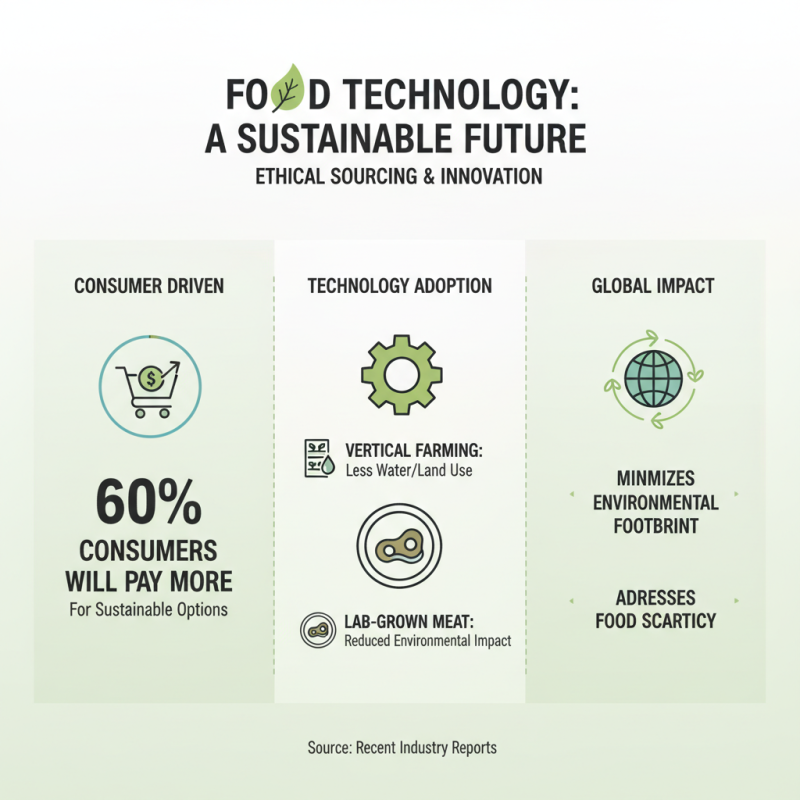
Food technology is transforming global sourcing, focusing on sustainability and ethical practices. Recent reports indicate that 60% of consumers are willing to pay more for sustainable food options. This shift is driving producers to adopt innovative technologies that minimize environmental impact. For instance, vertical farming and lab-grown meat are gaining traction. These methods use less water and land, addressing food scarcity concerns.
Moreover, ethical sourcing is gaining importance. A study found that 70% of millennials consider a brand's ethical standards when purchasing. This trend pressures companies to ensure fair labor practices and responsible sourcing. As a result, many are adopting transparency in their supply chains. However, the industry faces challenges. Not all tech solutions are scalable, and some methods can inadvertently harm local farmers. Balancing technology with ethical practices is a complex yet necessary endeavor.
Sustainability in food tech is still a work in progress. While innovations like blockchain improve traceability, not every player is on board. The reluctance to adopt new methods can slow down progress. Success demands collaboration across sectors to create a robust, sustainable food system. Industries must remain vigilant, reflecting on the impact of their choices.
The Role of Data and Analytics in Food Sourcing Decisions
Data and analytics are reshaping food sourcing in powerful ways. Companies now leverage data to anticipate trends and consumer demands. By analyzing purchasing patterns and market shifts, businesses can make informed decisions. This not only reduces waste but also ensures that products meet consumer preferences.
Tips: Always review data sources for reliability. Valid data leads to informed decisions. Consider integrating real-time analytics for timely insights.
Food tech products also improve transparency in supply chains. Analyzing data helps track the origin of ingredients. This builds trust with consumers keen on sustainability. However, relying heavily on data might overlook some nuances in local markets. Each region has unique preferences that data can't always capture.
Tips: Combine qualitative insights with quantitative data. Engage local stakeholders to gain a deeper understanding. Regularly reassess your data strategies for ongoing relevance.
Future Trends: How Food Tech Will Shape Global Sourcing Strategies
Food tech is transforming global sourcing strategies in unprecedented ways. The integration of technology into food supply chains introduces efficiencies that were previously unattainable. Digital platforms now allow companies to connect with local producers, ensuring fresh ingredients reach consumers faster. This change emphasizes the importance of sustainability and traceability in sourcing practices.
Emerging trends show that consumers increasingly demand transparency. They want to know where their food comes from. This shift is pushing companies to adopt innovative sourcing strategies. A focus on local sourcing not only reduces carbon footprints but also supports local economies. However, relying too heavily on technology can lead to over-dependence. Companies must balance innovation with traditional sourcing methods to avoid potential disruptions.
Challenges remain. Fluctuations in demand can complicate supply chain stability. Companies need to adapt quickly to market changes. Moreover, sourcing food tech products involves navigating regulatory landscapes that vary by region. Striking a balance between technological advances and traditional practices will be crucial for future success. Food tech will undoubtedly shape global sourcing, but a nuanced approach is essential.