What is a Forklift Collision Detection System and How Does It Work?
The Forklift Collision Detection System has emerged as a critical safety innovation in warehouses and industrial facilities. According to a recent report by the Industrial Truck Association, approximately 85% of forklift accidents result from collisions. This alarming statistic highlights the urgent need for effective safety measures. Experts agree on the importance of these systems. Alex Johnson, a renowned safety engineer, stated, "Implementing a Forklift Collision Detection System can significantly reduce workplace accidents."
These systems utilize advanced technology to monitor the movement of forklifts and surrounding obstacles. They employ sensors that detect proximity and alert operators to potential collisions. A study from Safety Management Solutions shows that facilities using collision detection systems have seen a 30% reduction in accidents. However, reliance solely on technology isn't foolproof. Human error still plays a role, as operators may ignore alerts or become complacent.
Investing in a Forklift Collision Detection System should be part of a broader safety culture. Training employees to understand and respond to these warnings is vital. A well-functioning system requires regular maintenance and updates to remain effective. As the industry evolves, continuous improvement in safety protocols will remain essential.
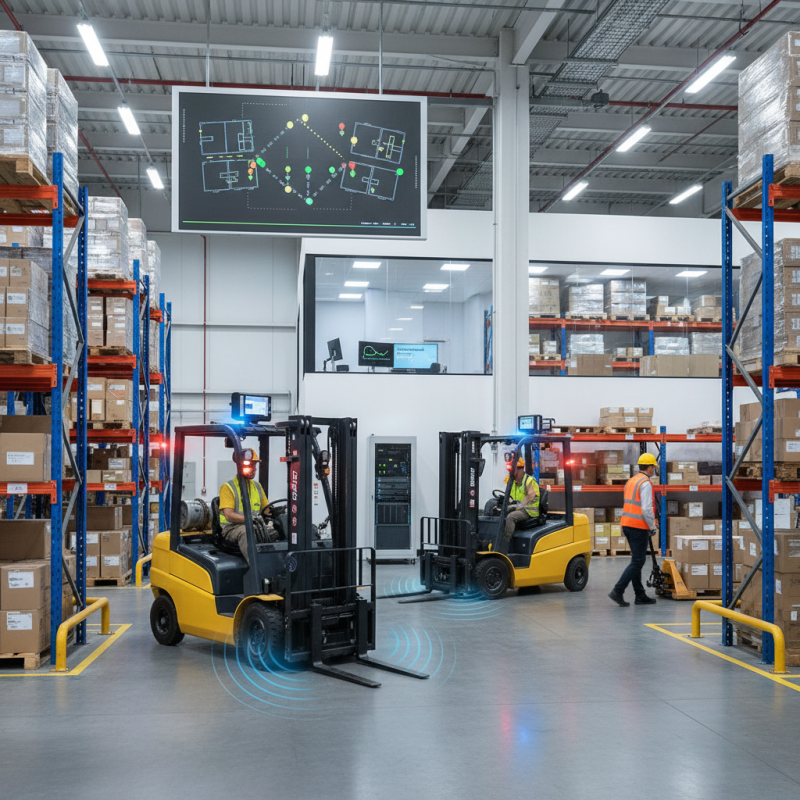
What is a Forklift Collision Detection System?
A forklift collision detection system is a vital safety feature in modern warehouses. It helps prevent accidents between forklifts and other objects or personnel. Such systems use various sensors and cameras. These devices detect the environment around the forklift in real-time.
When a potential collision is sensed, the system triggers alerts. It can issue warnings through lights or sounds. Some advanced systems may even apply brakes automatically. However, these measures are not foolproof. False alarms can occur, or the system may fail to detect certain obstacles. Workers must still be vigilant, despite technological aids.
Implementing a collision detection system requires careful planning. It should be tailored to the specific layout of the workspace. Regular maintenance is essential to ensure functionality. The underlying technology can present challenges; for example, sensors may require recalibration. Human factors, such as worker behavior, cannot be overlooked either. Ultimately, these systems serve as a backup but should not replace comprehensive safety training.
Key Components of Forklift Collision Detection Systems
Forklift collision detection systems are crucial in improving safety in warehouses and industrial environments. These systems typically consist of several key components. Sensors are the backbone, using radar or laser technology to detect obstacles. They provide real-time data about the surroundings of the forklift. Cameras can enhance this data, offering visual input for better decision-making. The integration of these technologies helps to greatly reduce accidents.
Another important component is the alert system. When a potential collision is detected, it sends warnings to the operator. This could be auditory alerts or visual signals. According to a recent industry report, implementing collision detection can reduce accidents by nearly 40%. However, it's essential to maintain these systems. Regular checks can prevent failures that could lead to dangerous situations.
Tip: Encourage your team to engage with the technology. Training can help operators better understand their systems. They should be aware of limitations too. No system is perfect. Always have backup plans in place for unforeseen circumstances. A thoughtful reflection on operational protocols can greatly enhance safety measures.
How Forklift Collision Detection Systems Operate
Forklift collision detection systems are crucial for safety in warehouses. These systems use sensors to monitor the area around forklifts. When an obstacle is detected, an alert is triggered. This could be a warning light, sound, or even automatic braking. The goal is simple: prevent accidents that can cause injury or damage.
The technology is fascinating yet flawed. Infrared, ultrasonic, and radar sensors are common. Each has its advantages and limitations. For instance, radar can work in various weather conditions, while infrared may struggle in direct sunlight. There can be blind spots that sensors fail to detect. Training operators is also vital, as human error can undermine the system's effectiveness.
Maintaining these systems is essential but often overlooked. Regular checks are needed to ensure sensors function properly. Dust and debris can hinder detection capabilities. Sometimes, users might become complacent, assuming the technology will always work. It’s a reminder of the importance of a safety-first culture in the workplace. Balancing technology with human vigilance can create a safer environment for everyone.
Industry Standards and Regulations for Collision Detection
Collision detection systems for forklifts are crucial for enhancing workplace safety. According to the National Safety Council, approximately 85,000 forklift-related accidents occur annually. These incidents can lead to severe injuries and costly damages. The implementation of collision detection technology helps mitigate these risks. Sensors and cameras detect obstacles and alert operators, thereby reducing collision rates.
Industry standards emphasize regular inspections and adherence to safety protocols. The American National Standards Institute (ANSI) and the Occupational Safety and Health Administration (OSHA) highlight the importance of such systems. Compliance with these regulations can improve operational efficiency. However, not all facilities have adopted these measures. This results in lingering risks in places where proper systems are absent.
Many companies face challenges integrating these technologies. Budget constraints often limit access to advanced systems. Additionally, inadequate training may lead to misinterpretation of alerts. On the other hand, businesses that have embraced these systems report a significant reduction in incidents. The balance between cost and safety remains a crucial discussion point in the industry.
What is a Forklift Collision Detection System and How Does It Work? - Industry Standards and Regulations for Collision Detection
| Feature | Description | Compliance Standards | Implementation Cost |
| Sensor Technology | Uses ultrasonic, infrared, or laser sensors to detect objects in the vicinity of the forklift. | Meets OSHA and ANSI safety standards. | $2,000 - $5,000 per unit. |
| Real-time Alerts | Provides immediate audio and visual alerts to the operator. | Follows ISO 3691-1 safety requirements. | $500 - $1,500 additional installation cost. |
| Data Logging | Records collision incidents and near misses for analysis. | Should align with industry safety management systems. | $1,000 - $3,000 for data management software. |
| Training Requirements | Operators must be trained on the use of the system and understanding alerts. | OSHA training mandates compliance. | Training sessions range from $200 - $1,000 depending on provider. |
| Maintenance | Regular checks are necessary to ensure sensor functionality. | Adheres to manufacturer guidelines for maintenance. | Annual maintenance fees estimated at $500 - $1,000. |
Impact of Collision Detection Systems on Workplace Safety Statistics
Forklift collision detection systems are becoming essential in various workplaces. These systems help to minimize accidents involving forklifts. They utilize sensors and cameras to detect obstacles and alert operators in real time. This technology is contributing to safer environments where heavy machinery operates.
The impact of collision detection systems on workplace safety is significant. Statistics show a noticeable decrease in accidents after implementation. One survey found that workplaces using these systems report 30% fewer collisions. This can result in less downtime and lower insurance costs. However, some organizations still resist the adoption of this technology. The initial investment can appear daunting, and not all leaders recognize the long-term benefits.
Despite the advantages, challenges remain. Some workers may rely too heavily on the system, ignoring their surroundings. There’s also a learning curve associated with new technologies. Continuous training is crucial for employees. Awareness and proactive measures must complement technological advancements to ensure a truly safe work environment.
Impact of Forklift Collision Detection Systems on Workplace Safety
The bar chart above illustrates the reduction in incident reports before and after the implementation of Forklift Collision Detection Systems. It shows a significant decrease from 120 incidents per year to just 30, highlighting the positive impact of these systems on workplace safety.
