What Are the Latest Advances in Food Processing Technology?
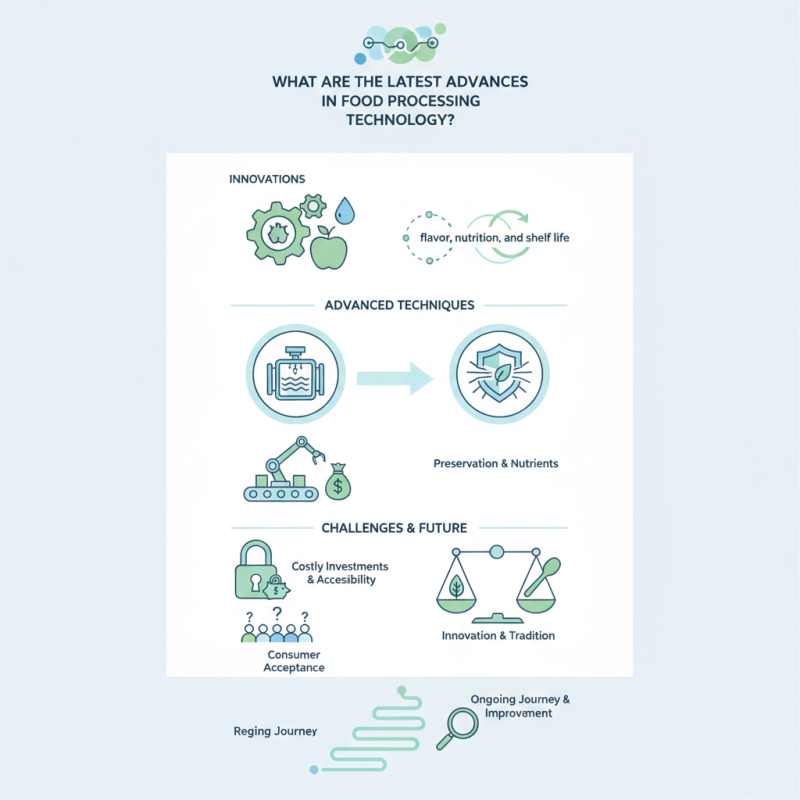
The landscape of food processing technology is evolving rapidly. Innovations improve efficiency and quality in food production. Advanced techniques enhance flavor, nutrition, and shelf life.
Recent developments include high-pressure processing and non-thermal technologies. These methods extend food preservation while retaining essential nutrients. Automation also plays a crucial role, streamlining operations and reducing labor costs.
While these advancements are promising, challenges persist. Some technologies require costly investments, making them inaccessible for smaller producers. Additionally, consumer acceptance of new methods is still a work in progress. As the industry adapts, balancing innovation and tradition is key. The journey in food processing technology is ongoing, with much to learn and improve.
Recent Innovations in Food Processing Techniques
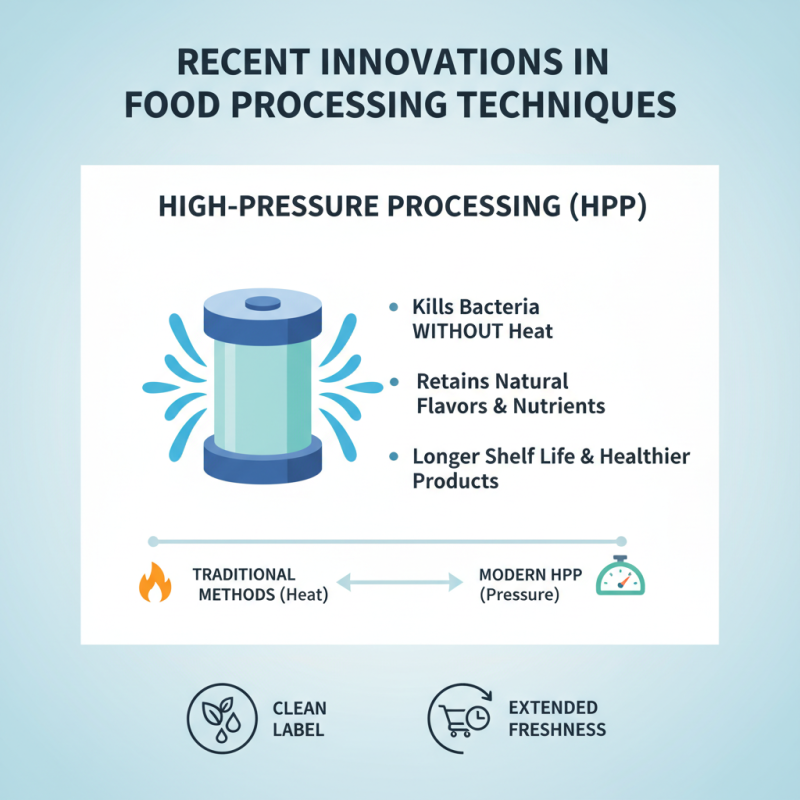
Recent innovations in food processing have significantly shaped the industry. One notable technique is high-pressure processing. This method uses pressure to kill bacteria without heat. It helps retain the natural flavors and nutrients in food. As a result, products have a longer shelf life while being healthier for consumers.
Another exciting development is the use of artificial intelligence in quality control. AI systems can analyze the texture, color, and freshness of food products quickly and accurately. This technology allows producers to identify defects early. However, reliance on technology raises questions about job displacement in the industry. Balancing efficiency with human roles remains a critical challenge.
Moreover, advancements in sustainable processing methods cannot be overlooked. Techniques such as cold plasma treatment minimize food waste and energy use. These innovations are promising but require further research to ensure they are feasible for large-scale applications. The path forward includes both technological progress and thoughtful consideration of its societal impacts.
Development of Sustainable Food Processing Methods
Sustainable food processing methods are gaining significant traction in today's industry. These techniques aim to minimize waste and reduce energy consumption. From farm to table, each step requires careful consideration of environmental impact. Food waste is a pressing issue, and innovative processing can help mitigate it effectively.
One promising method is upcycling food byproducts. For example, leftover peels and seeds can be transformed into nutritious snacks. This not only reduces waste but also adds value to otherwise discarded materials. Another approach involves using renewable energy sources in processing plants, which lowers carbon footprints significantly. Transitioning to energy-efficient equipment presents an additional challenge, as initial costs can be high, but the long-term savings are valuable.
The integration of technology remains vital in fostering sustainable practices. Automation can enhance efficiency, reducing labor costs while minimizing errors. However, dependence on technology may lead to a lack of skilled labor in traditional processing methods. Balancing innovation and preservation of craft is crucial. Sustainable food processing is evolving, and continuous assessment of methods is needed to ensure they meet real-world demands.
What Are the Latest Advances in Food Processing Technology? - Development of Sustainable Food Processing Methods
| Technology |
Description |
Sustainability Impact |
Food Categories |
| High-Pressure Processing (HPP) |
A non-thermal method that uses high pressure to kill pathogens and extend shelf life. |
Reduces need for preservatives and extends product life. |
Juices, ready-to-eat meals, meats. |
| Cold Plasma Technology |
Utilizes ionized gas to sterilize and enhance food safety without heat. |
Eliminates chemical residues; energy efficient. |
Fruits, vegetables, grains. |
| Microbial Fermentation |
Uses beneficial microbes to develop flavors, improve digestion, and preserve food. |
Reduces waste and improves nutrient availability. |
Dairy, vegetables, grains. |
| Smart Packaging |
Incorporates sensors and indicators for real-time monitoring of food quality. |
Reduces food waste by ensuring optimal usability. |
Packaged foods, beverages. |
| Enzyme Technology |
Uses enzymes to enhance flavors, textures, and nutritional content of food. |
Reduces energy consumption and by-products in manufacturing. |
Breads, dairy, beverages. |
Advancements in Automation and Robotics in Food Production
In recent years, automation and robotics have transformed food production. Food processing plants are increasingly adopting robotic systems to streamline manufacturing. These advancements help reduce human error and improve efficiency. Robots can now handle repetitive tasks, such as packaging and sorting. This technology also assists in maintaining consistency in product quality.
However, the integration of automation raises some concerns. Workers may face job displacement as machines take over certain roles. Additionally, there can be high initial costs in implementing these technologies. Companies must weigh the benefits against potential workforce reductions. Maintenance and troubleshooting of robotic systems also require skilled personnel, which may not always be available.
Despite these challenges, the potential benefits are significant. Automation can lead to faster production times and reduced operational costs. Advanced robotics can also enhance food safety by minimizing human contact. Emphasis on these technologies can lead to innovations, but it is essential to balance efficiency with ethical considerations in workforce management.
Impact of Advanced Preservation Technologies on Food Safety
Recent advances in food preservation technology have significantly enhanced food safety. Techniques like high-pressure processing (HPP) and pulsed electric field (PEF) are gaining traction. According to a report from the Food and Agriculture Organization, HPP can reduce microbial load by up to 99.9%. This method retains nutrients and flavors, crucial for consumer acceptance.
Another promising method is PEF, which uses short bursts of electricity to treat food. Research indicates that this technique not only extends shelf life but also maintains food quality. A study published in the Journal of Food Engineering found that PEF treated juice retained 80% of its vitamins compared to pasteurized juice. However, despite these advancements, challenges remain. The high cost of equipment and the need for skilled operators can limit widespread adoption.
Additionally, while these technologies improve safety, they are not foolproof. Improper implementation can lead to inadequate preservation, raising safety concerns. Ongoing studies are essential to address these gaps, ensuring that innovative technologies effectively meet safety standards without compromising food quality.
Latest Advances in Food Processing Technology
Emerging Trends in Plant-Based and Alternative Protein Processing
Emerging trends in plant-based and alternative protein processing are transforming the food industry. These advancements focus on enhancing taste, texture, and nutritional value. Researchers are exploring innovative processing techniques, such as precision fermentation and hydrocolloid applications, to mimic animal proteins. This is crucial for meeting growing consumer demand.
Many consumers seek environmentally friendly options. This has led to a surge in plant-based meats and dairy alternatives. Enhanced processing methods improve protein extraction and flavor enhancement from legumes and grains. As a result, these products can now compete with traditional meat in terms of taste and texture.
Tips: Experiment with different cooking methods to highlight plant-based proteins. Roasting can bring out natural flavors. Be open to trying new ingredients; you might discover unexpected favorites. Reflect on your dietary choices, considering how they impact health and the environment. Each small change contributes to a larger movement toward sustainability.