What is a Packing Machine and How Does It Work?
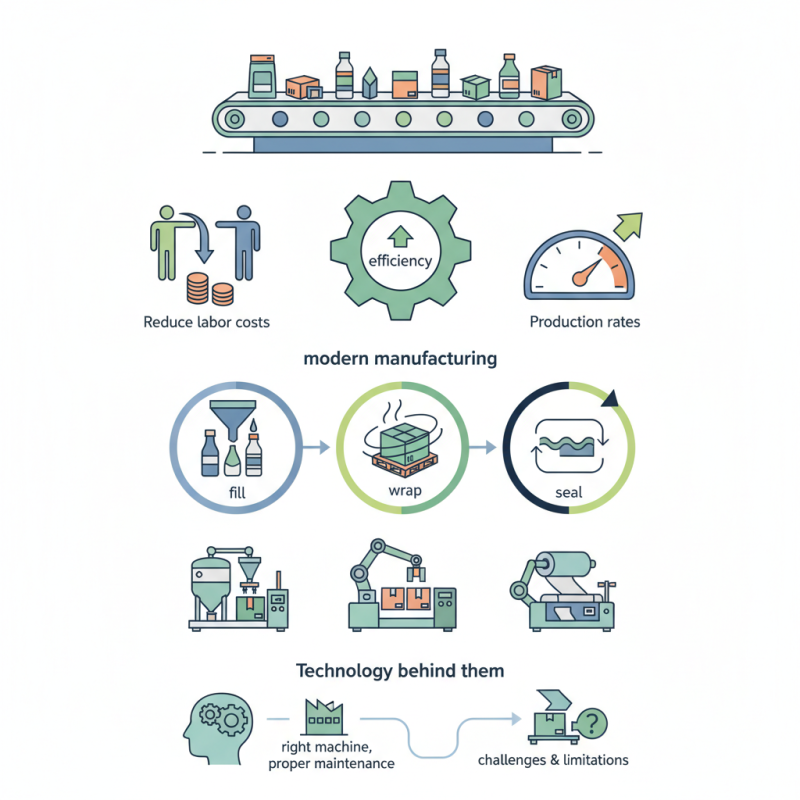
A Packing Machine is essential in modern manufacturing. It streamlines packaging processes for various products. This equipment can reduce labor costs and enhance efficiency. By automating the packaging process, businesses can achieve faster production rates.
Packing Machines come in different types. They can fill, wrap, and seal products. For example, some machines are designed for liquids, while others handle solid items. The technology behind them continues to evolve. Yet, not every machine functions perfectly in every scenario. Companies must choose the right machine and maintain it properly.
In this article, we will explore how Packing Machines work. We will look at their components and examine real-life applications. Understanding their role can help businesses improve operations. Reflecting on potential challenges and limitations is equally important. After all, the effectiveness of a Packing Machine hinges on careful selection and usage.
What is a Packing Machine?
A packing machine is an essential tool in the manufacturing and distribution industries. It automates the process of packing products into boxes or containers. This saves time and reduces labor costs. Packing machines come in various types, including horizontal and vertical designs. Each type serves different packaging needs and product shapes.
The operation of a packing machine typically involves several stages. First, the product is fed into the machine. Then, the machine forms, fills, seals, or labels the packages as necessary. Sensors ensure the right amount of product is used. While packing machines improve efficiency, they can sometimes malfunction. This can lead to wasted materials or production delays. Regular maintenance is crucial to avoid these issues. Operators must be trained to handle minor problems effectively.
Many factories rely heavily on packing machines. However, dependence on automation can be risky. A human touch is often needed to handle delicate items or unusual shapes. Knowing when to step in, versus when to let the machine work, is vital. Balancing efficiency with quality control remains a challenge for many manufacturers.
Packaging Machine Efficiency Comparison
This chart illustrates the efficiency percentages of various automated packing machines. Each machine's performance is measured on a scale of 0 to 100%, showcasing the comparative efficiency across different models. Understanding these metrics can help in selecting the right packing machine for specific production needs.
Key Components of Packing Machines
Packing machines play a vital role in various industries. Understanding their key components can provide insights into their functions.
Most packing machines consist of several essential parts. The conveyor belt is crucial for transporting products through the packaging process. Sensors monitor product placement and speed. The filling mechanism is designed to accurately dispense liquids or solids into containers. Different machines use distinct filling methods like volumetric or gravimetric systems. Sealing mechanisms ensure products remain fresh. They use heat, pressure, or adhesive to secure packaging.
Tips: Regular maintenance of the conveyor system can prevent unexpected downtimes. Monitoring sensor performance is crucial for accuracy.
Additionally, the control panel serves as the machine’s brain. It allows operators to set parameters and monitor operations in real-time. The integration of automation has increased efficiency. Reports indicate that automated packing systems improve output by up to 30%. However, not all operations benefit from this. Understanding specific needs is essential for optimal performance.
Tips: Consider the type of packaging materials when choosing a machine. Ensure staff is well-trained to avoid operational errors.
Types of Packing Machines and Their Applications
Packing machines come in various types, each designed for specific functions. Vertical form-fill-seal machines are popular for packaging snacks and liquids. They create bags from rolls of film, filling them with product as they form. These machines enhance efficiency, but they can sometimes struggle with certain materials. Adjusting settings frequently is essential for optimal performance.
Horizontal packing machines are suitable for larger items. They include tray sealers and flow wrappers. These machines efficiently pack products like fresh food or electronics. However, they require regular maintenance. Minor issues can lead to significant downtime. Watching for wear and tear is crucial for smooth operations.
Another type is the shrink wrap machine. It uses heat to tightly seal items in plastic film. This method provides excellent protection against damage and contamination. Yet, controlling temperature is vital. Too much heat can warp products. Packing processes may vary, but attention to detail can significantly improve outcomes.
What is a Packing Machine and How Does It Work? - Types of Packing Machines and Their Applications
| Type of Packing Machine | Description | Applications | Advantages |
| Vertical Form Fill Seal (VFFS) | Machine that forms, fills, and seals bags from a flat roll of film. | Snacks, grains, powders | High speed, flexibility in packaging sizes. |
| Horizontal Form Fill Seal (HFFS) | Uses a tube of film to create bags horizontally. | Chocolates, biscuits, and other flat items. | Ideal for larger items, precise filling. |
| Shrink Wrapping Machine | Wraps products with a plastic film that shrinks to fit when heated. | Bundles of products, retail items. | Protection from dust and contaminants, enhanced display. |
| Case Packing Machine | Automatically packs products into boxes or cartons. | Bottles, cartons, and packaged food. | Efficient packing process, reduces labor costs. |
| Palletizer | Places packed boxes onto a pallet for shipment. | Manufacturing and distribution centers. | Increases throughput, improves safety. |
The Packing Process: Step-by-Step Overview
The packing process is essential in various industries, including food, pharmaceuticals, and electronics. It involves multiple steps to ensure products are securely packaged for distribution. Understanding this process can enhance efficiency and product safety.
In the initial stage, products are collected and prepared. Quality control checks are crucial here. Studies show that about 5% of products may not meet quality standards at this stage. This could lead to costly errors down the line. After preparation, the products move to the filling stage. This commonly uses automated machines. Proper filling minimizes air exposure, which is vital for perishable goods.
Finally, the sealing stage is where many errors can occur. According to a 2021 study by the Packaging Association, improper sealing can result in a 3-7% increase in spoilage rates for food items. It's a reminder that attention to detail is critical. Workers often require training to minimize mistakes during this final step. Overall, the packing process is complex and demands precision at every stage.
Maintaining and Troubleshooting Packing Machines
Packing machines are crucial in the packaging industry. However, they require regular maintenance to function optimally. Regular checks can prevent costly downtime, which can reach up to 20% of production time, as noted in several industry reports. This statistic highlights the importance of proactive maintenance strategies.
Troubleshooting packing machines involves understanding their components. Common issues include misalignment, clogs, or wear and tear. For example, a 2022 study showed that nearly 30% of machine failures stemmed from improper adjustments. Workers must be trained to identify these issues quickly. Failure to do so can lead to delays and increased production costs.
Routine maintenance schedules should be established. Replace worn-out parts and lubricate moving components regularly. Ignoring these steps can lead to reduced efficiency. Maintenance logs should be meticulously kept to track issues and repairs. This helps in identifying patterns and recurrent problems. Addressing these concerns can significantly extend a machine's lifespan.