What is Pet Food Processing and How Does It Work?
Pet food processing is an essential aspect of the pet food industry. It involves transforming raw ingredients into nutritious products for pets. This process ensures that our beloved animals receive balanced diets tailored to their needs. Understanding how pet food processing works is crucial for pet owners who want the best for their pets.
Throughout the pet food processing journey, various techniques are employed. These can include grinding, cooking, and packaging. Each step is vital in maintaining the quality and safety of the final product. However, not all products are created equal. Some may use fillers or lower-quality ingredients, raising concerns among pet owners.
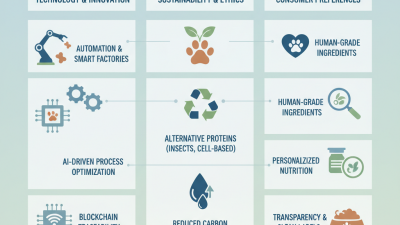
As technology evolves, so does pet food processing. Innovations offer improved nutritional content and more sustainable practices. However, it is important to remain vigilant. Pet food safety recalls remind us of the importance of quality assurance. Responsible pet owners should educate themselves about the brands they choose. This knowledge fosters transparency and helps ensure the well-being of pets.
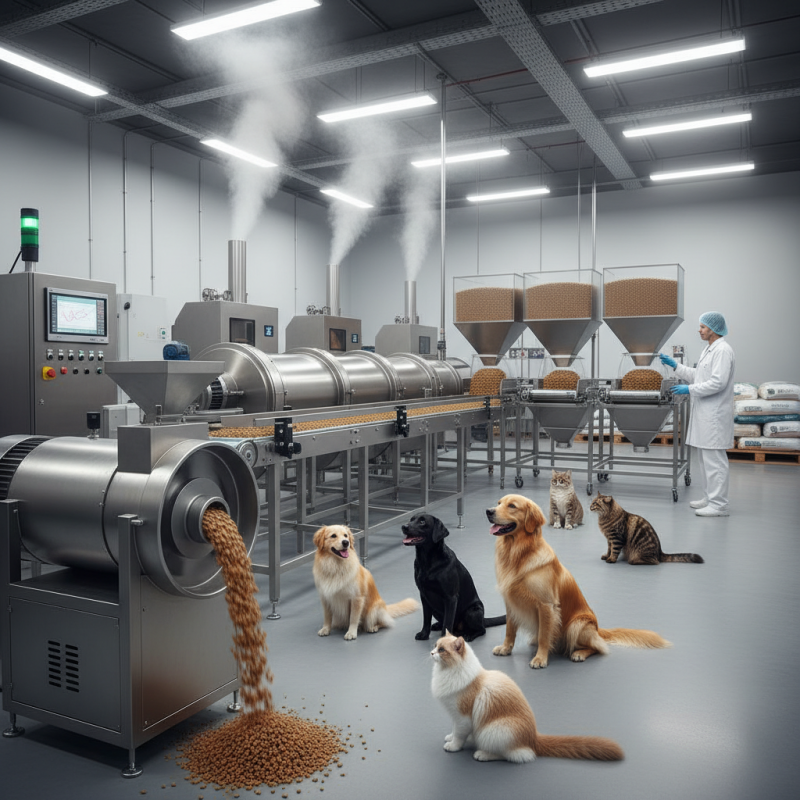
What is Pet Food Processing?
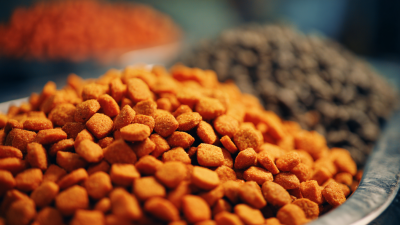
Pet food processing is a critical aspect of the pet care industry. It involves transforming raw ingredients into consumable pet food products. This complex process ensures the nutritional needs of pets are met. Quality control is paramount in this field. Each ingredient must be carefully selected and tested for safety.
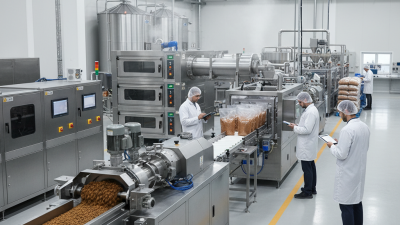
During processing, ingredients undergo various methods such as extrusion, canning, and drying. Extrusion involves cooking and shaping the food under high pressure and temperature. Canning preserves moisture and nutrients, providing a longer shelf life. However, not all methods are perfect. Some may impact nutrient retention.
Understanding pet food processing helps consumers make informed choices. Knowledge of ingredient sourcing and processing methods can affect pet health. Transparency in this industry is essential. By recognizing how food is made, pet owners can better advocate for their furry friends.
The Importance of Quality Ingredients in Pet Food
The importance of quality ingredients in pet food cannot be overstated. A report by the American Kennel Club states that pets benefit significantly from diets rich in real meats, whole grains, and fresh vegetables. These ingredients provide essential nutrients. They also boost immunity, support healthy coats, and improve digestion.
Many commercial pet foods rely on fillers and artificial additives. These ingredients often lack nutritional value. A study from the Association of American Feed Control Officials (AAFCO) shows that animals fed high-quality diets have better overall health compared to those consuming lower-quality products. However, not all brands adhere to these quality standards, which raises concerns among pet owners.
Transparency in sourcing is crucial. Pet owners should look for brands that disclose ingredient origins. This can prevent potential health risks associated with subpar components. Additionally, the rise of pet food recalls highlights the need for vigilant monitoring of ingredient quality. Pets thrive on high-quality diets, yet many still consume inferior food. The industry must improve ingredient standards to prioritize pet health and well-being.
Key Stages in the Pet Food Manufacturing Process
The pet food manufacturing process involves several critical stages. Each phase plays a vital role in ensuring the safety and quality of the final product. The initial stage focuses on ingredient sourcing. Quality checks are necessary to verify the nutritional value and safety of raw materials. Research shows that around 60% of issues in pet food come from poor ingredient quality.
Next, the formulation stage is crucial. This involves creating a balance of proteins, fats, vitamins, and minerals. Nutritional experts often revise formulas based on the latest research. This continuous adaptation is important; as pet owners become more informed, they seek higher nutritional standards. The American Pet Products Association reported that 48% of pet owners prioritize healthy ingredients.
Processing follows formulation. This stage includes cooking, mixing, and extrusion. Each step must be carefully monitored. Overly high temperatures can destroy essential nutrients. According to industry data, nearly 30% of pet foods don't meet their nutritional claims due to excessive processing. These challenges highlight the need for stringent quality control.
Finally, packaging and labeling play a significant role. Clear information helps consumers make informed choices. Labels should comply with regulations but often don't convey all essential data. Some pet food brands evade full transparency, leading to confusion. Addressing these gaps can enhance trust and reliability in the market.
What is Pet Food Processing and How Does It Work? - Key Stages in the Pet Food Manufacturing Process
| Stage |
Description |
Key Equipment |
Duration |
| Ingredient Sourcing |
Select high-quality ingredients suitable for pets. |
Supplier Contracts |
Ongoing |
| Formulation |
Create balanced recipes based on nutritional needs. |
Formulation Software |
2-3 days |
| Mixing |
Combine all dry and wet ingredients thoroughly. |
Mixers |
1-2 hours |
| Cooking |
Cook the mixture to ensure safety and digestibility. |
Extruders, Boilers |
30 minutes - 2 hours |
| Drying |
Reduce moisture content to extend shelf life. |
Dryers |
1-3 hours |
| Packaging |
Seal the product in bags or cans for distribution. |
Packaging Machines |
1-2 hours |
| Quality Control |
Conduct tests to ensure product meets safety standards. |
Lab Equipment |
Ongoing |
Common Methods of Pet Food Preservation
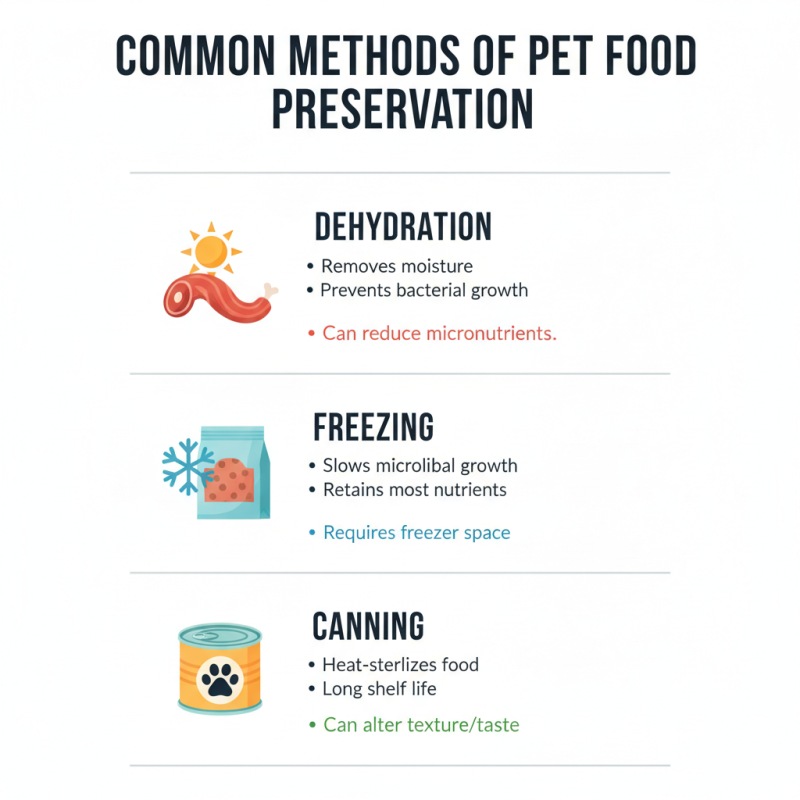
Pet food preservation is a crucial part of ensuring the safety and quality of pet food. Several methods are commonly used to extend shelf life while maintaining nutritional value. One effective technique is dehydration. By removing moisture, this method prevents bacteria and mold growth. The end product remains light and easy to store, but it can lose some micronutrients in the process.
Another popular preservation method is freezing. This technique locks in freshness and ensures the food retains its nutritional integrity. However, frozen pet food often requires special storage conditions. It can be challenging for pet owners who may lack sufficient freezer space. Moreover, the thawing process must be handled carefully to avoid spoilage.
Heat treatment, such as extrusion, is widely utilized in commercial pet food processing. This method involves high temperatures to kill pathogens and extend shelf life. While effective, some argue that this process may degrade certain vitamins. Understanding these preservation methods allows pet owners to make informed decisions about their pets' diets. Each method has its advantages and potential drawbacks that need careful consideration.
Regulations and Standards in Pet Food Production
Regulations and standards in pet food production play a crucial role in ensuring the safety and quality of products. The Association of American Feed Control Officials (AAFCO) sets guidelines that manufacturers must follow. These guidelines include nutrient profiles and labeling requirements. Compliance with AAFCO standards is vital for pet food companies aiming for industry recognition.
According to a report by the American Pet Products Association, the pet food market size in the U.S. was over $42 billion in 2020. This growth emphasizes the need for strict regulatory oversight. Consumers want to trust that the food they buy is safe for their pets. Without robust regulations, dubious practices can arise in sourcing ingredients or processing methods.
Research shows that nearly 70% of pet owners read labels before purchasing food. This increases the pressure on manufacturers to adhere to high standards. Transparency in sourcing and ingredient quality is crucial. However, some companies still struggle to maintain these standards, leading to potential risks. Continuous improvements in regulation and enforcement are necessary for a safer pet food market.