What is a Pipe Cutter and How to Choose the Best One?
When it comes to plumbing and construction, a Pipe Cutter is an essential tool. Industry expert John Smith, a renowned plumbing professional, once said, "The right pipe cutter can make your job easier and more efficient." This statement emphasizes the importance of selecting the best cutter for your needs.
Choosing the right Pipe Cutter can seem overwhelming. There are many options available, from manual to automatic models. Understanding the specific requirements of your projects is crucial. For example, a larger diameter pipe may require a different cutter than a smaller one. Every job is unique, and not every Pipe Cutter will fit all situations.
Investing in a quality Pipe Cutter means considering durability and precision. A reliable tool can save time and effort, but cheaper options may lead to frustration. Therefore, weighing the pros and cons is necessary. Efforts spent on research can prevent mistakes and lead to better choices. Ultimately, the right Pipe Cutter can greatly enhance your plumbing tasks.
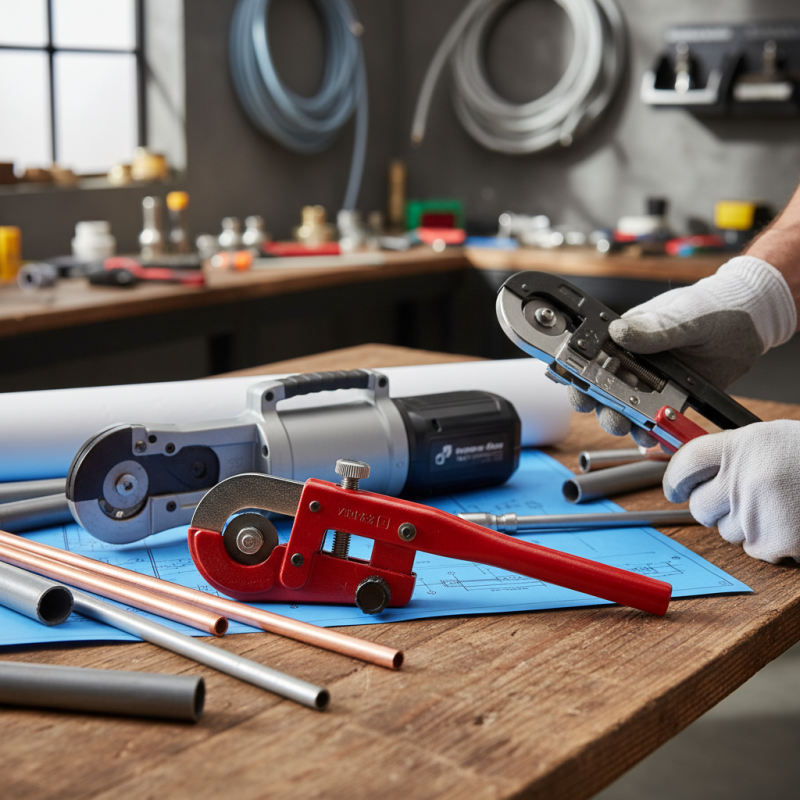
What is a Pipe Cutter and Its Purpose in Plumbing and DIY Projects?
A pipe cutter is a specialized tool designed to cut through pipes with precision. It is crucial in plumbing and DIY projects. Accurate cuts are vital to ensure tight fittings and prevent leaks. Using a pipe cutter improves the overall efficiency of your work. It's important to select the right pipe cutter for your specific needs.
When choosing a pipe cutter, consider the material of the pipes you will be cutting. Pipe cutters work best with materials like copper, PVC, and steel. Each type has its own blade design, ensuring you get the cleanest cut possible. Look for models with adjustable settings for various pipe sizes. While many tools are available, opting for a more affordable option may sometimes sacrifice quality.
Tips: Always wear safety gear when cutting pipes. Safety goggles and gloves can prevent injuries. Practice on scrap pieces to improve your technique. If the cut isn’t perfect, reflect on the technique used and adjust before moving to the final piece. A clean cut leads to better connections. Ensure all adjustments are secure to get the best results.
What is a Pipe Cutter and How to Choose the Best One?
| Type of Pipe Cutter | Best For | Pipe Material | Cutting Capacity (inches) | Price Range |
| Rotary Pipe Cutter | General plumbing tasks | PVC, Copper, Brass | 1/8" to 2" | $10 - $40 |
| Tube Cutter | Tight spaces and rounded pipes | Copper, Aluminum | 1/4" to 2" | $15 - $50 |
| Lever Pipe Cutter | Heavy-duty applications | Steel, PVC | 3/4" to 4" | $20 - $100 |
| Manual Pipe Cutter | DIY projects and light use | Copper, PVC | 1/2" to 2" | $5 - $25 |
| Electric Pipe Cutter | Professional use | Steel, Iron | Up to 6" | $200 - $500 |
Types of Pipe Cutters: Manual vs. Power Tools Explained
When choosing a pipe cutter, understanding the differences between manual and power tools is essential. Manual pipe cutters usually consist of a cutting wheel and a handle for leverage. They are easy to use and require minimal maintenance. However, they can be labor-intensive, especially for larger projects. An advantage of manual cutters is their portability. You can use them in tight spaces where power tools might struggle.
On the other hand, power pipe cutters are designed for efficiency. They can handle larger jobs and cut through tough materials quickly. These tools often come equipped with features that allow for precise cuts. However, they usually require a power source. They tend to be heavier and less portable. If you are tackling heavy-duty work, a power tool might be the better choice. But remember to consider your skill level and comfort when making the decision.
Both types of cutters have their unique pros and cons. It’s vital to evaluate your specific needs before making a purchase. Sometimes, a simple manual cutter can perform just as well as a power tool for basic tasks. Think about the projects you will undertake. This reflection will help you make an informed decision.
Key Features to Consider When Choosing a Pipe Cutter
When choosing a pipe cutter, several key features come into play. The most important aspect is the type of pipe material you are cutting. Different materials require different cutting methods. A cutter designed for copper may not perform well on PVC. Understanding the compatibility is crucial. Additionally, consider the size of the cutter. It should accommodate the range of pipe diameters you typically work with. A tool that is too cumbersome can hinder efficiency.
Another significant factor is the mechanism of the cutter itself. Some models use a rotating blade, while others employ a more robust, scissor-like action. Think about the ease of use. A less complicated design often leads to better results. Furthermore, examine the build quality. A pipe cutter made from durable materials can withstand frequent use. While an expensive option may seem optimal, it's essential to reflect on your specific needs. You may find that versatility is more valuable than having the most expensive tool.
Lastly, always consider safety features. A cutter without proper safety measures can lead to accidents. Look for features like blade guards or ergonomic handles. These can make a significant difference during prolonged usage. Balancing all these factors will guide you in making a better choice. The right pipe cutter can enhance your efficiency and provide cleaner cuts, ultimately improving your projects.
Pipe Cutter Performance Comparison
This chart compares different key features of pipe cutters based on average ratings, indicating their performance in accuracy, ease of use, durability, price, and versatility.
How to Properly Use a Pipe Cutter for Clean and Accurate Cuts
When using a pipe cutter, precision is key. The right technique ensures clean, accurate cuts. Most professionals recommend securing the pipe tightly before making a cut. This minimizes movement, allowing for better control and a straighter line. Experts note that a misaligned cut can lead to leaks. Research indicates that nearly 30% of plumbing failures stem from poor cutting techniques.
It's crucial to apply consistent pressure as you rotate the cutter around the pipe. Uneven force can create jagged edges, which complicates fitting connections. Some reports suggest that up to 25% of DIYers struggle with making smooth cuts. Therefore, practicing a steady hand and correct pressure is essential.
Additionally, always visualize your cut before starting. A clear mental image helps preempt mishaps. Utilize a marker to indicate where to cut, ensuring alignment. This simple step can drastically improve accuracy. Remember, even small imperfections can lead to complications during installation. Thus, taking time to ensure each cut is precise matters greatly in pipework.
Tips for Maintaining Your Pipe Cutter for Longevity and Performance
Maintaining your pipe cutter is vital for ensuring its longevity and performance. Proper cleaning after each use is essential. Use a soft cloth to wipe any debris off the cutting wheel. Residue can lead to poor performance and even damage. A quick inspection will help you spot any wear and tear that might need attention.
Lubrication is another key element in maintenance. Apply a small amount of machine oil to the moving parts. This reduces friction and helps the cutter operate smoothly. It’s common to overlook lubrication, but neglecting this step can lead to increased wear. Ensure you check the oil levels regularly, so you don’t find yourself in a bind during a project.
Storage also plays a role in the cutter's lifespan. Keep your pipe cutter in a dry, cool place to prevent rust. Using a protective case can help. Inconsistent care can lead to regrets when the tool fails unexpectedly. Regularly reviewing your maintenance routine can make a significant difference in how well your pipe cutter performs over time.
