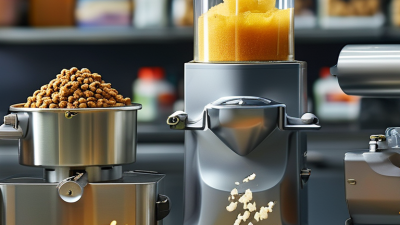
How is Technology Transforming Food Production Today?
Technology in food production is revolutionizing the way we grow, process, and distribute food. Innovations such as precision agriculture and digital tools are enhancing productivity. According to a report by the Food and Agriculture Organization, technology could increase global agricultural productivity by up to 30% by 2030. This promise of efficiency is met with skepticism about environmental impacts and social equity.
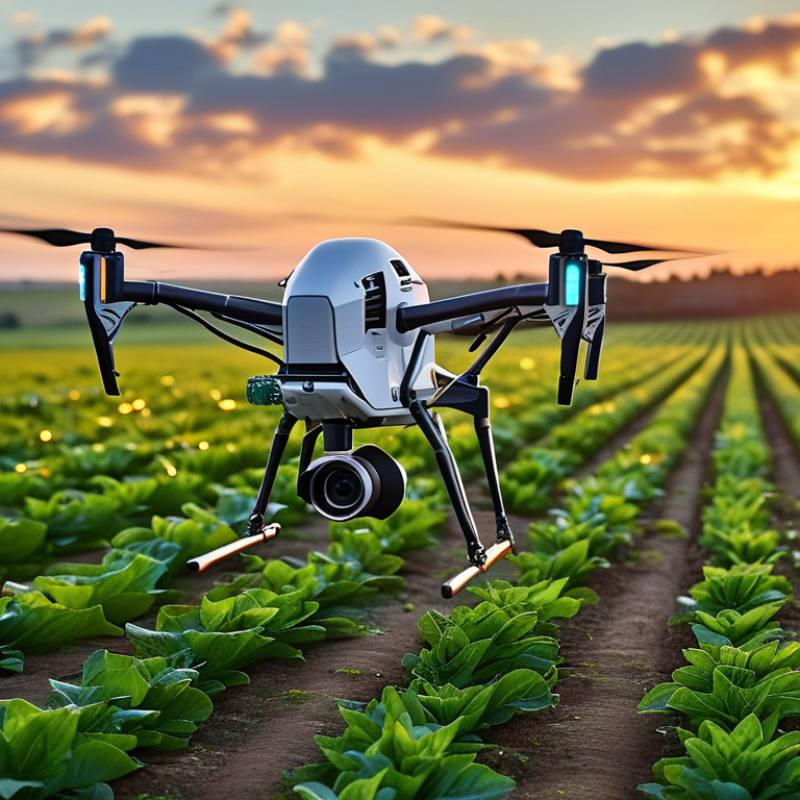
Farmers are increasingly using drones and sensors to monitor crops. These technologies provide real-time data on soil health and moisture levels, enabling better decision-making. However, access to these technologies is not equal. Smaller farms may struggle, raising concerns about inequality in the sector. A recent study from McKinsey highlighted that nearly 70% of smallholder farmers lack access to modern technology.
Additionally, tech-driven solutions like vertical farming offer sustainable alternatives in urban environments. Yet, the high initial costs can be a barrier for many. The integration of technology in food production holds tremendous potential, but challenges loom. Balancing innovation with inclusivity and ecological health is crucial for sustainable growth in the industry.
The Role of Precision Agriculture in Modern Food Production
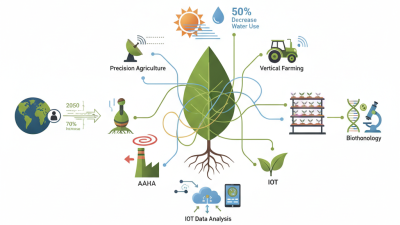
Precision agriculture is revolutionizing food production by enhancing efficiency and sustainability. This innovative approach utilizes technology, such as GPS and IoT devices, to collect data about soil health, moisture levels, and crop growth. Farmers can analyze this information to make informed decisions, optimizing resource use and minimizing waste. For example, variable rate technology allows them to apply fertilizers and pesticides only where needed, reducing environmental impact.
Despite the benefits, challenges remain. Not all farmers have access to the technology or training required. Many struggle with the cost of implementing these advanced systems. Additionally, reliance on data can lead to oversimplification of natural processes. Understanding local ecosystems is still crucial, even with high-tech tools. Balancing traditional farming wisdom with modern technology is essential for long-term success.
Moreover, data privacy concerns also come into play as more farms become digitized. Farmers must navigate the complexities of sharing their information without jeopardizing their livelihood. While precision agriculture holds great promise, reflection on these issues is necessary. Integrating new methods should complement existing practices rather than replace them entirely.
How is Technology Transforming Food Production Today? - The Role of Precision Agriculture in Modern Food Production
| Dimension |
Description |
Impact on Food Production |
| Soil Health Monitoring |
Utilizing sensors to assess soil nutrient levels and moisture. |
Improves crop yield by optimizing fertilizer application. |
| Drones |
Aerial imaging for crop health analysis and field mapping. |
Enhances monitoring efficiency and crop scouting accuracy. |
| Automated Irrigation Systems |
Systems that adjust water supply based on crop needs. |
Reduces water waste and enhances water use efficiency. |
| Data Analytics |
Analysis of data collected from various sources including sensors and weather forecasts. |
Informs decision-making for planting and harvesting. |
| Genetic Engineering |
Modification of crops for enhanced resistance to pests and diseases. |
Increases productivity and reduces reliance on chemicals. |
Innovations in Biotechnology: Enhancing Crop Yields and Resistance
Biotechnology is reshaping food production dramatically. Innovations in genetic engineering have led to crops that are more resilient to pests and climate change. According to a report from the Food and Agriculture Organization, biotechnology can increase crop yields by up to 30% under adverse conditions. This technology provides farmers with tools to tackle challenges like droughts and soil degradation.
However, the reliance on biotechnology presents challenges. Not all farmers have equal access to these innovations. Smaller farms may struggle to afford the necessary technology. The disparity in access raises questions about food equity. About 25% of agricultural land is affected by soil degradation, making sustainable practices essential. Some argue that biotechnology might overshadow traditional farming methods that have been sustainable for generations.
Furthermore, there are concerns about long-term impacts on ecosystems. The integration of genetically modified organisms into agriculture can disrupt natural habitats. Continuous monitoring and regulation are crucial to prevent unforeseen consequences. With proper oversight, biotechnology holds great promise for enhancing global food security. The journey towards balanced solutions is ongoing.
The Impact of IoT on Farming Efficiency and Resource Management
The Internet of Things (IoT) is reshaping agriculture in remarkable ways. By connecting devices and sensors to the internet, farmers can gather and analyze vast amounts of data. This leads to improved decision-making and operational efficiency. According to a report by MarketsandMarkets, the IoT in agriculture market is projected to reach $20.5 billion by 2025, growing at a rate of 25% annually.
Smart sensors play a crucial role in resource management. They monitor soil moisture levels, weather conditions, and crop health in real-time. This allows farmers to irrigate crops only when necessary, reducing water usage significantly. A study by the World Economic Forum suggested that implementing IoT solutions can decrease water consumption by up to 30%. However, the challenge lies in ensuring that all farmers can access this technology equally.
Adoption rates of IoT technology vary widely. While some large farms leverage advanced systems, smallholders may struggle due to costs or lack of support. Furthermore, data security issues pose risks that can hinder adoption. Ensuring reliable connections in rural areas also remains a challenge. Hence, while IoT promises enhanced efficiency, gaps still exist in widespread implementation.
Automation and Robotics in Agriculture: Shaping the Future of Food
Automation and robotics are revolutionizing agriculture today. These technologies help farmers to work more efficiently. Drones now scan fields, providing data on crop health. Robots pick fruits and vegetables, reducing labor costs. Sensors monitor soil moisture, ensuring optimal irrigation. This transformation saves time and resources.
However, challenges remain. The initial investment in technology can be high. Not all farmers have access to these advanced tools. Training workers to use robots is also essential. Some fear job losses due to automation. Balancing technology and traditional practices is crucial for future success.
Despite these worries, the potential is vast. Precision agriculture enhances yields while minimizing waste. Farmers can make data-driven decisions that benefit their crops and the environment. As technology advances, it will continue to shape food production in unexpected ways. The journey is not perfect, but the direction is clear.
Sustainable Practices Driven by Technology in Food Production
Technology is reshaping food production with an emphasis on sustainability. One key area is precision agriculture. Farmers now use drones and sensors to monitor soil health. This data helps in making informed decisions about water usage and fertilizer application. By reducing waste, they can minimize environmental impact.
However, the reliance on technology also presents challenges. Not all farmers can access advanced tools. This creates a gap in sustainable practices across different regions. Additionally, heavy reliance on data can sometimes overlook traditional knowledge. Balancing modern solutions with age-old techniques is crucial for holistic food production.
Vertical farming is another innovation driving sustainability. It allows crops to grow in stacked layers, often in urban settings. This method reduces water usage significantly compared to traditional farming. While it frees up arable land, it also raises questions about energy consumption from artificial lighting. These considerations highlight the complexities in achieving truly sustainable food systems.
How Technology is Transforming Food Production Today
This chart illustrates the percentage of various sustainable practices in food production influenced by technology as of 2023. The data highlights the growing adoption of practices such as precision farming, smart irrigation, and data analytics.