Top 10 Convenience Food Trends You Need to Know in 2026?
As we look ahead to 2026, understanding the evolution of convenience food becomes essential. The rise of busy lifestyles fuels demand for quick meal solutions. People seek foods that fit seamlessly into their routines. The convenience food market continues to innovate and adapt.
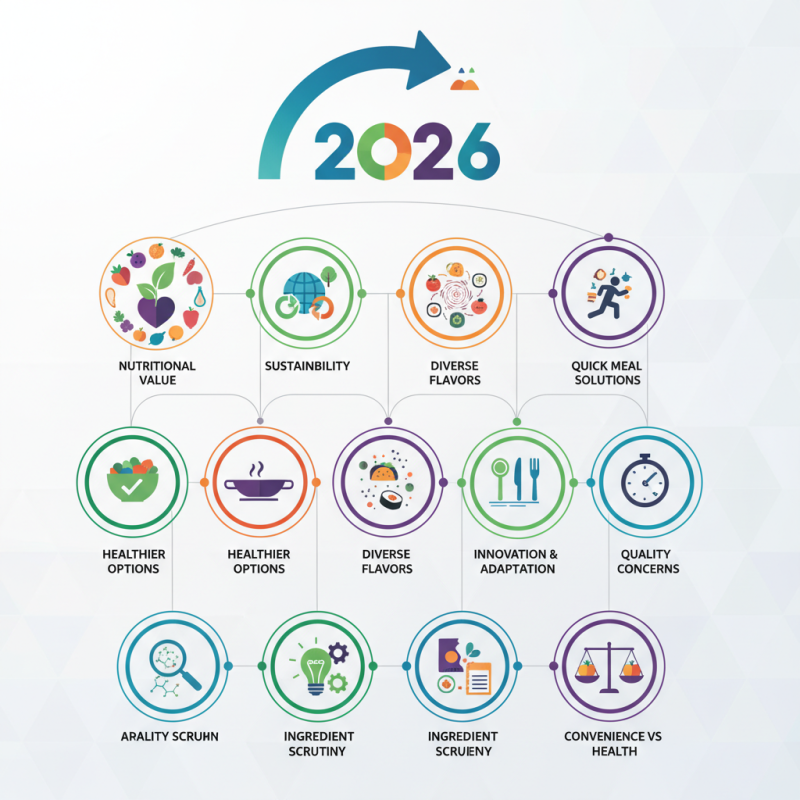
In this dynamic landscape, we observe emerging trends shaping consumer preferences. Nutritional value, sustainability, and flavor are increasingly important. Brands are responding to these demands by offering healthier and more diverse options. However, some products fail to meet these expectations. This inconsistency prompts consumers to reflect on their choices.
Despite the influx of convenience food options, challenges remain. Not all products are created equal; quality varies widely. Some convenient meals may lack essential nutrients or contain high levels of preservatives. It’s essential for consumers to question what they choose. The balance between convenience and health is not always easy to navigate, but it is crucial.
The Rise of Plant-Based Convenience Foods: Market Growth Projections
The plant-based convenience food market is experiencing remarkable growth. According to industry reports, the market is projected to reach $74 billion by 2027. This represents a significant shift in consumer preferences. More people seek quick, healthy meals that don’t compromise on nutrition.
Consumers are becoming increasingly aware of sustainability issues. This awareness drives the demand for plant-based options. A recent survey indicated that 65% of consumers are willing to pay more for plant-based products. However, some still question the nutritional value of these options. There is a gap in understanding the benefits and potential drawbacks of plant-based diets.
The landscape is evolving. Challenges exist in ensuring taste and texture match traditional convenience foods. Many households lack the culinary skills to prepare plant-based meals. This raises a question about accessibility. Will manufacturers address these concerns? The potential for growth is there, but addressing consumer hesitations will be crucial. With ongoing innovation, the future looks promising for convenience foods.
Top 10 Convenience Food Trends You Need to Know in 2026
This chart illustrates the market growth projections for various convenience food trends expected in 2026. The data highlights the increasing demand for plant-based options alongside a growing interest in health-focused snacks and ready-to-eat meals.
Impact of Technology on Convenience Food Production and Delivery Systems
In 2026, technology is reshaping convenience food production and delivery systems. The integration of artificial intelligence (AI) is a pivotal factor. AI enhances supply chain efficiency. It predicts demand patterns, minimizing waste. According to a recent report, 52% of companies in the food industry are investing in AI solutions. This trend is set to redefine how food hits the shelves.
Automation plays a significant role in production. Robotics are not only speeding up processes but also ensuring consistent quality. For example, automated systems can assemble meal kits with precision. Automation reduces labor costs, yet it raises concerns about job displacement. This dual edge needs careful consideration.
Delivery systems are also evolving. Drones and autonomous vehicles are gradually entering the sector. A study indicated that by 2026, 40% of deliveries could be automated. This could lead to faster service, but it may also complicate logistics in urban areas. As these technologies advance, the balance between speed and reliable service must be critically assessed.
Health and Wellness Trends: Increasing Demand for Nutrient-Dense Options
The demand for nutrient-dense options continues to rise as consumers become more health-conscious. A recent report from the Nutritional Research Institute reveals that nearly 75% of consumers prioritize nutrition over taste when selecting convenience foods. This shift is influencing how manufacturers develop and market their products. With a growing focus on whole foods, many are now looking for meals that offer genuine health benefits, not just quick satisfaction.
In 2026, plant-based ingredients and functional foods will dominate the shelves, catering to this trend. Consumers are seeking meals fortified with vitamins, minerals, and probiotics. A survey by the Food Trends Association shows that 62% of respondents are willing to pay more for snacks that provide health benefits. This statistic indicates a valuable opportunity for brands to innovate while meeting nutritional needs.
Tip: Always read ingredient labels carefully. Look for whole food ingredients to ensure your meals are truly nutrient-dense.
Despite the excitement surrounding health trends, some products still fall short of expectations. Many convenience foods advertised as healthy may contain
added sugars or artificial flavors. It's crucial for consumers to stay informed and make choices based on nutritional content rather than marketing claims.
Tip: Focus on portion control. Even nutrient-dense options can lead to overeating if portions are not managed wisely.
Sustainable Packaging Solutions in the Convenience Food Sector
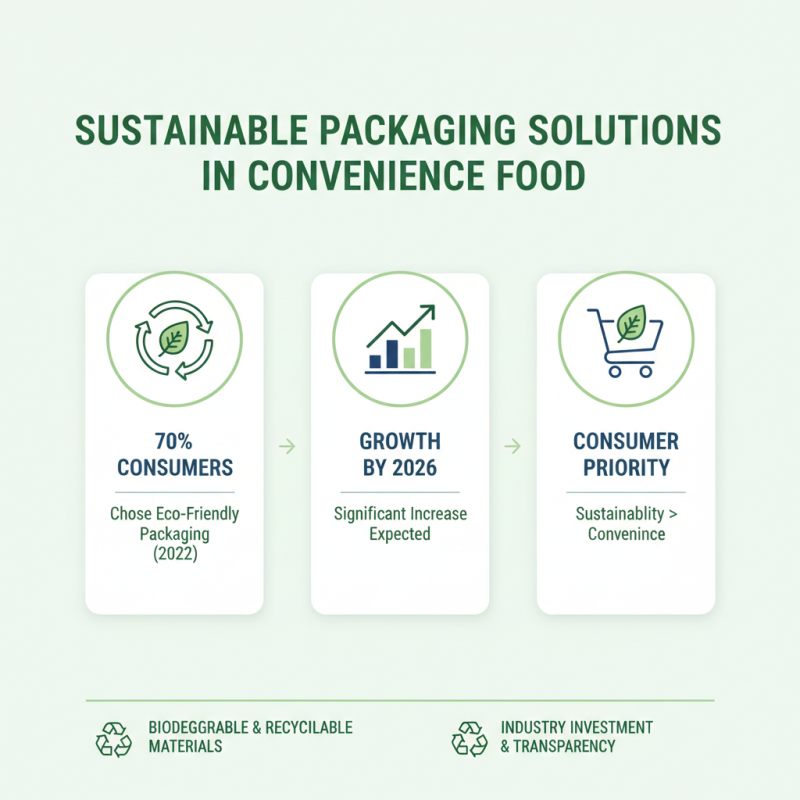
Sustainable packaging is transforming the convenience food sector. Reports indicate that in 2022, 70% of consumers opted for brands with eco-friendly packaging. This trend is expected to grow significantly by 2026. More companies are investing in biodegradable and recyclable materials. Today’s consumers prioritize sustainability over convenience. They demand transparency regarding how products are packaged.
Incorporating sustainable solutions is not just about the environment. It also affects brand loyalty. A survey from the Sustainable Packaging Coalition showed that 61% of consumers would switch brands if the packaging is not sustainable. This shift presents both opportunities and challenges. Not all materials perform equally when it comes to preserving food. Brands must find a balance between sustainability and product safety.
Technology can aid in this pursuit. Innovations in material science are developing lightweight, compostable packaging options. These materials can reduce waste and improve shelf life simultaneously. However, adopting new technologies comes with hurdles. Costs can be higher, and some solutions are still in experimental stages. Brands need to reflect on long-term impacts, both environmentally and economically.
The Role of Global Flavors in Shaping 2026 Convenience Food Trends
As we look ahead to 2026, global flavors will play a pivotal role in shaping convenience food trends. Research suggests that over 70% of consumers are eager to explore new cuisines. This reflects a significant increase in the demand for diverse, exotic tastes. Convenience foods will not only need to satisfy hunger but also provide exciting culinary experiences.
Interestingly, market analysis indicates that up to 60% of consumers prefer meals that combine traditional flavors with modern convenience. For example, fusion dishes integrating spices from Asia and Latin America might emerge. This culinary blending can cater to the adventurous eater while providing ease in preparation. With the rise of food delivery services, it’s essential for producers to innovate, creating dishes that encapsulate global influences.
However, the challenge lies in maintaining authenticity. Consumers are increasingly discerning. They seek genuine tastes, not just generic versions of ethnic foods. Adapting traditional recipes for convenience without sacrificing flavor will be crucial. Transparency in ingredient sourcing will also matter to health-conscious buyers. This shift presents an opportunity for brands willing to invest in quality and authenticity in their offerings.