Top 10 Factors to Consider When Buying Erw Black Steel Pipe?
When considering the purchase of Erw Black Steel Pipe, a variety of factors come into play. The demand for steel pipes has surged recently. According to the Global Market Insights report, the steel pipe market is expected to reach over $150 billion by 2027. This highlights the importance of making informed decisions when choosing erw black steel pipe.
Quality is paramount in this industry. The American Society for Testing and Materials (ASTM) provides guidelines for the manufacturing and testing of steel pipes. Adhering to these standards ensures durability and reliability. Moreover, factors like material thickness and coating types greatly affect lifespan and efficiency.
Price is another crucial factor. The fluctuating prices of raw materials can impact the cost of erw black steel pipe. Negotiating and sourcing from reputable suppliers is vital. Many buyers overlook these details, which can lead to suboptimal choices. Understanding these factors deeply can enhance decision-making and project outcomes.
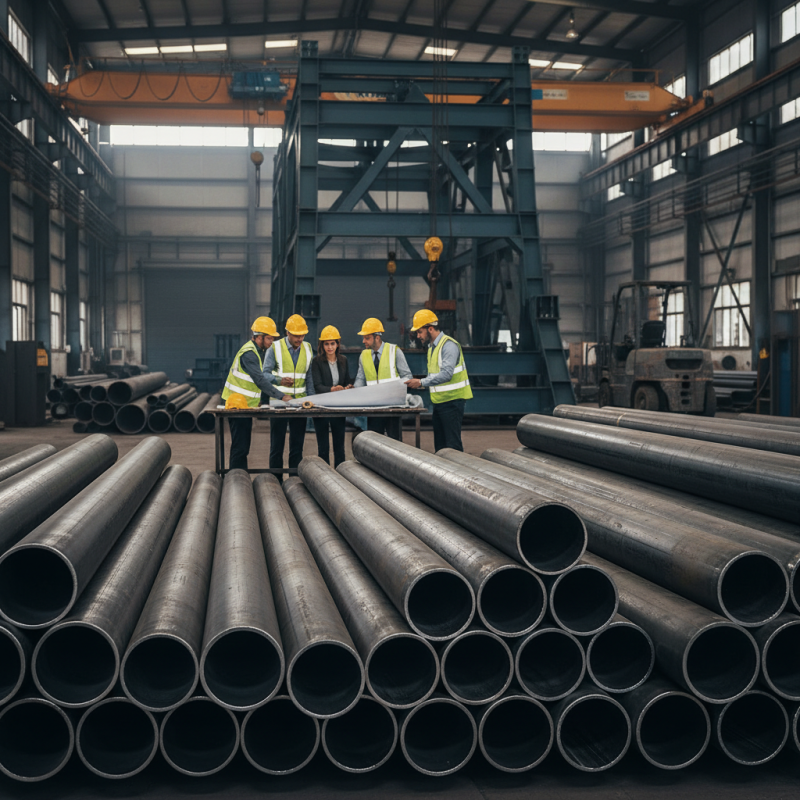
Material Specifications and Grades of Erw Black Steel Pipe
When considering the material specifications of Erw black steel pipes, it's crucial to understand their grades. The most common materials include ASTM A53 and A500. These grades dictate not only the mechanical properties but also the applications. For instance, A53 is often used for structural purposes, while A500 is ideal for construction.
The thickness of the wall is another vital factor. The wall thickness affects the pipe's strength and the pressure it can withstand. Typical options include schedule 40 and schedule 80. Choosing the right thickness depends on the specific application requirements. Some projects might demand higher durability, while others could work with lighter specifications.
Corrosion resistance is a key aspect that must not be overlooked. While Erw black steel pipes are durable, they may require protective coatings in certain environments. This ensures longevity and reduces maintenance costs. Regular assessments of the material's condition can help identify potential weaknesses early. It’s essential to balance cost and performance.
Wall Thickness and Dimensions: Understanding Pipe Sizes and Schedules
When purchasing ERW black steel pipe, understanding wall thickness and dimensions is critical. Wall thickness affects the pipe's strength and durability. Pipes come in various wall thicknesses, measured in Schedule numbers, which indicate the thickness relative to the pipe diameter. For instance, Schedule 40 pipes offer moderate strength for everyday applications, while Schedule 80 pipes provide higher resistance to pressure. Data suggests that improperly selected pipe sizes can lead to system failures, resulting in costly repairs.
Tips: Always consult reliable industry guidelines for choosing appropriate pipe sizes.
Dimensions also play a vital role in application compatibility. Common nominal pipe sizes include 1/2 inch to 24 inches. However, precise measurements are often more relevant than nominal sizes. A pipe's actual inner diameter (ID) can significantly influence flow rates and pressure losses. Research from the American Society of Mechanical Engineers indicates that a mismatch in pipe sizes can reduce efficiency by over 20%.
Tips: Measure connections carefully to prevent installation issues.
Another aspect to consider is how wall thickness impacts welding compatibility. Thicker walls may require specialized techniques for secure joints. If the wrong thickness is chosen, leaks might develop during installation or operation. Always assess project requirements and consult with professionals for insight on pipe specifications.
Corrosion Resistance and Coating Options for Durability
When considering the purchase of Erw black steel pipe, corrosion resistance is paramount. This material is often used in various industries due to its durability. However, it is crucial to acknowledge that black steel pipe is vulnerable to rust without proper coating. According to industry reports, approximately 30% of structural failures in metal pipes are due to corrosion-related issues.
Coatings can significantly enhance the longevity of black steel pipes. Options like epoxy and polyurethane provide a protective layer that prevents moisture from reaching the steel. The choice of coating can be dictated by the environment in which the pipes will operate. For instance, a harsh, humid environment may necessitate a more robust coating solution. In contrast, a dry setting might require less emphasis on corrosion resistance.
Tip: Always assess the specific environmental conditions before choosing a coating.
Furthermore, while black steel pipes are generally cost-effective, investing in proper coatings can save on long-term maintenance costs. A study from the National Association of Corrosion Engineers highlighted that proactive corrosion management can reduce maintenance costs by over 50%.
Tip: Don’t overlook regular inspections to ensure the integrity of the coating and underlying pipe.
Cost Considerations: Comparing Prices and Budgeting Effectively
When it comes to purchasing Erw black steel pipe, cost is a major consideration. Prices can vary significantly based on factors like thickness, diameter, and material grade. Basic pipe can range from a few cents to several dollars per foot. Always compare multiple suppliers to find the best deal. It's a good idea to request quotes from various vendors. This step helps in understanding market rates better.
Budgeting effectively means accounting for additional costs. Don't forget shipping fees, taxes, and installation costs. These add-ons can inflate your total expense. Sometimes, opting for cheaper materials may seem enticing. However, this can lead to more frequent repairs or replacements. Quality should not be sacrificed for a lower price tag. Consider the long-term value of your investment.
Be aware that prices fluctuate based on market demand and availability. Supply chain disruptions can also affect your choices. Unpredictable price changes may occur, making it crucial to keep an eye on trends. Constructing a budget with some flexibility can provide relief. Always leave room for unexpected expenses. This approach will enhance your purchasing strategy for Erw black steel pipe.
Cost Considerations for Erw Black Steel Pipe
Application Suitability: Identifying the Right Pipe for Your Project
When choosing Erw black steel pipe for your project, application suitability is crucial. Different projects demand specific pipe properties. Consider the temperature and pressure requirements. For high-pressure applications, a thicker wall pipe might be necessary. Determine if the pipe will handle corrosive substances. Some environments may require additional protective measures.
It’s important to assess the installation method as well. Are you using welding or threaded connections? Each method may necessitate different pipe specifications. Evaluate the compatibility with existing systems. A mismatched pipe could lead to costly issues down the line.
Remember, not every pipe is the same even if they look similar. Understanding the unique characteristics of each option can make a significant difference. Don't hesitate to consult with professionals who understand the nuances of black steel pipe. Their expertise can help guide your decision-making process. Factors like cost, availability, and ease of installation should also influence your choice.
