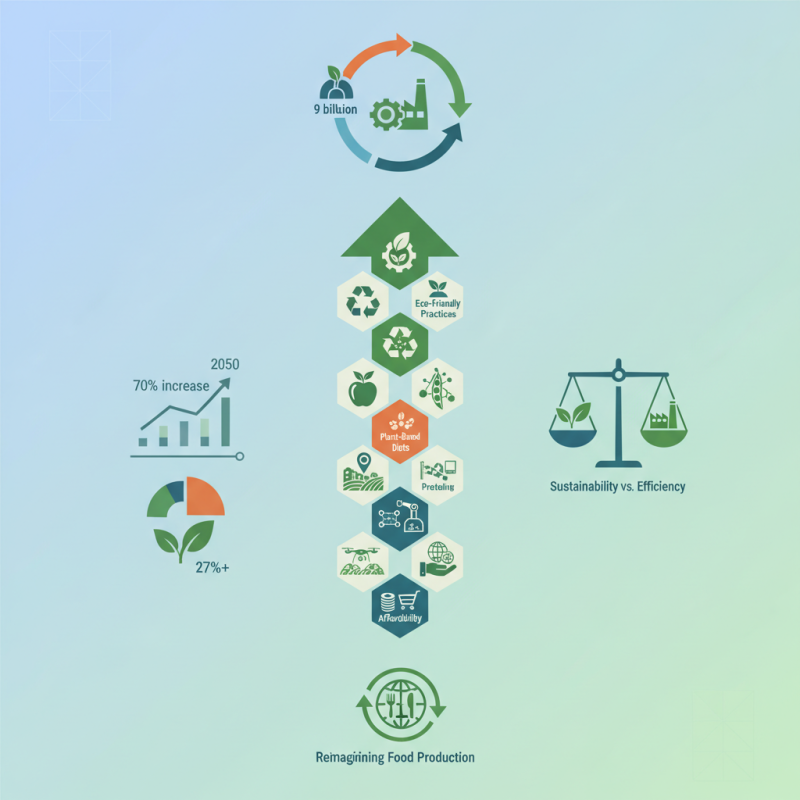
The landscape of food production is rapidly evolving, influenced by various global trends. Recent data from the Food and Agriculture Organization (FAO) highlights that the world population will exceed 9 billion by 2050, necessitating a 70% increase in food production to meet this demand. Innovative methods and technologies are crucial to achieve this goal.
Sustainability has become a key factor in food production. Reports from the World Economic Forum emphasize the need for eco-friendly practices. Consumers are increasingly aware of their food choices, favoring organic and locally sourced options. Yet, the challenge lies in balancing sustainability with efficiency.
The rise of plant-based diets is reshaping markets. According to a research study, sales of plant-based foods have surged by over 27% in recent years. This shift toward alternative proteins is essential but raises questions about agricultural practices and food security. As the industry addresses these trends, it faces the task of reimagining food production while ensuring accessibility and affordability.
Emerging technologies are reshaping food production processes across the globe. Automation is becoming a vital player. Robots and drones support farmers in planting and harvesting. This technology increases efficiency but can reduce job opportunities in some areas. Understanding the balance is crucial.
Artificial intelligence enhances decision-making. Machine learning analyzes vast data sets. This helps in predicting crop yields, diagnosing plant diseases, and optimizing resources. However, reliance on AI can lead to unforeseen errors, emphasizing the need for human oversight.
Tips: Embrace technology but remain critical. Regularly evaluate its impact on your work. Balance automation with human skills. Also, invest time in training to keep pace with changes. Sustainable practices should be part of the conversation, prompting reflection on long-term impacts. Innovate while keeping ethical considerations in view.
| Trend | Description | Impact on Market | Emerging Technology |
|---|---|---|---|
| Vertical Farming | Utilizing stacked layers to grow crops in controlled environments. | Reduces land use and increases food production efficiency. | Hydroponics and LED lighting. |
| Precision Agriculture | Using data analytics to optimize crop management decisions. | Enhances yields and reduces waste of resources. | Drones and IoT sensors. |
| Plant-Based Alternatives | Increasing demand for non-meat protein sources. | Expanding consumer base and reducing environmental impact. | Food processing technology and alternative proteins. |
| Blockchain in Supply Chain | Enhancing traceability and transparency in food supply chains. | Builds consumer trust and improves food safety. | Distributed ledger technology. |
| Food Waste Reduction | Innovations aimed at minimizing food loss at all stages. | Cost savings and sustainability improvements. | Smart packaging and AI prediction tools. |
| Sustainable Practices | Adopting eco-friendly farming methods. | Meets regulatory demands and consumer expectations. | Renewable energy and organic farming. |
| Automated Farming | Incorporating robotics and automation in farming tasks. | Increases productivity and reduces labor costs. | Robotics and AI. |
| Smart Greenhouses | Using technology to optimize growing conditions for plants. | Enhanced crop quality and yield. | Climate control systems and sensors. |
| Personalized Nutrition | Tailoring food products to individual dietary needs. | Increases consumer engagement and satisfaction. | Big data and genetic analysis. |
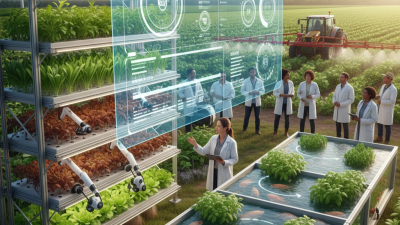
Sustainable agriculture practices are reshaping how food is produced globally. Farmers are shifting from traditional methods to innovative techniques. Practices like crop rotation and organic farming are gaining traction. These methods enhance soil health and reduce environmental impact. Modern technology, such as precision agriculture, plays a crucial role. Sensors and data analytics help farmers make informed decisions.
Challenges remain in implementing sustainable practices. Not all regions have access to modern technologies. Education and support systems are needed to bridge this gap. Farmers often face financial constraints that hinder their transition. Collaboration between governments, NGOs, and local communities is essential. Sharing knowledge and resources can drive change.
The demand for transparency in food production is rising. Consumers are more aware of where their food comes from. This awareness pushes farmers to adopt sustainable practices. They strive to meet the expectations of informed consumers. However, the path to sustainability is complex. Balancing profit with ecological integrity requires ongoing effort and commitment.
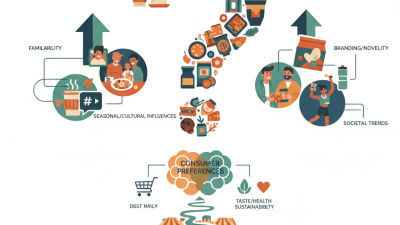
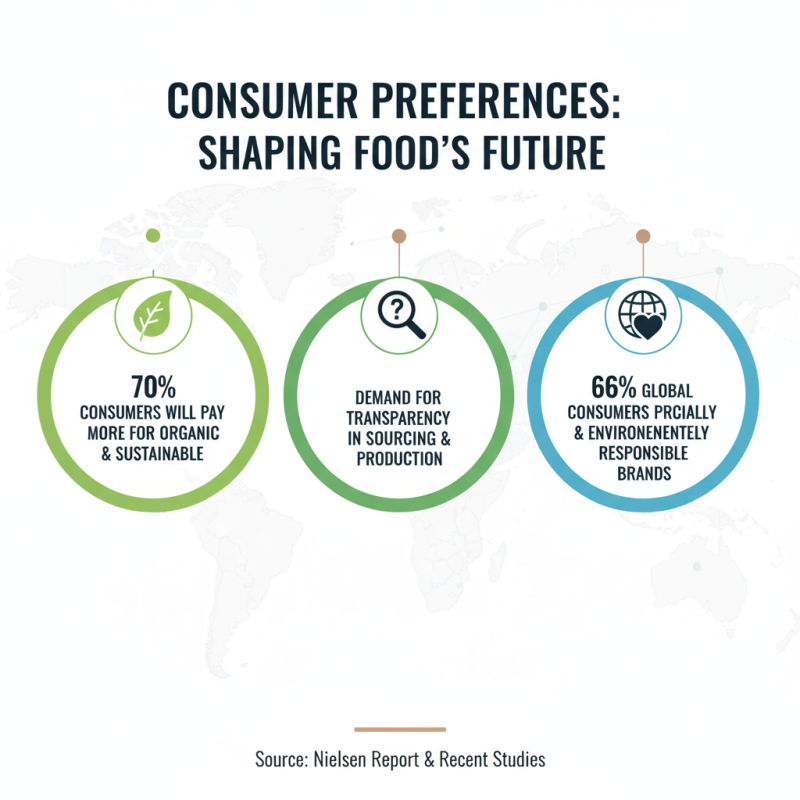
Consumer preferences are shaping the future of food product development and marketing in profound ways. Recent studies indicate that over 70% of consumers are willing to pay a premium for organic and sustainably sourced products. This shift underscores a growing demand for transparency in food sourcing and production methods. In fact, Nielsen reported that 66% of global consumers prefer food brands that demonstrate a commitment to social and environmental responsibility.
Plant-based diets are gaining traction, with a market expected to reach $74.2 billion by 2027. Innovators in the food industry are responding by enhancing flavor and texture, making plant-based options more appealing. However, there are challenges. Despite the surge in interest, 54% of consumers still perceive these products as too expensive or lacking in flavor. This presents a critical area for improvement, driving brands to enhance taste while managing costs.
Health and wellness trends are also influencing food innovation. Research shows that 63% of shoppers prioritize nutritional content in their purchasing decisions. For food developers, this means creating products that are not only delicious but also packed with functional benefits. Still, there is a gap. Many products marketed as healthy may contain high sugar levels or artificial additives, leading to mistrust among consumers. Addressing these discrepancies is vital for brands to build credibility and foster loyalty in an increasingly skeptical market.
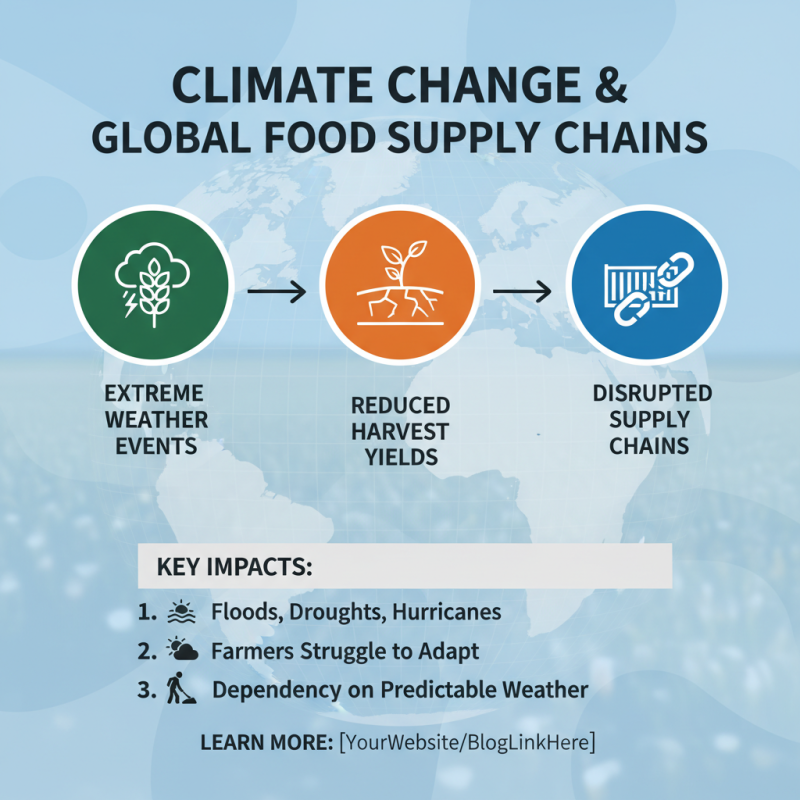
Climate change significantly impacts global food supply chains. Extreme weather events disrupt agricultural patterns. Floods, droughts, and hurricanes reduce harvest yields. Farmers struggle to adapt their practices quickly. The dependency on predictable weather makes this issue critical.
Changing temperatures affect crop viability. Regions once suitable for specific crops face declining productivity. Pests and diseases thrive in warmer climates, threatening food security. Farmers need better resources to combat these challenges. Investments in climate-resilient agriculture can provide some solutions, yet many lack access to these technologies.
Logistics also face challenges due to climate change. Transportation routes become unreliable. Infrastructure suffers from severe weather, leading to delays. These issues raise food prices globally. Unpredictable supply affects both producers and consumers. Society must address these vulnerabilities urgently. Balancing demand with sustainable practices remains a tough journey.
The growing interest in alternative proteins is reshaping the food market landscape. A recent report by the Good Food Institute highlights that the global alternative protein market could reach $290 billion by 2035. This shift indicates a profound transformation in consumer preferences. More individuals are seeking plant-based options.
Research shows that nearly 40% of consumers are reducing their meat intake. They align with sustainability efforts. However, not all alternative proteins live up to their promise. Some products do not deliver on taste or texture. This presents a challenge for producers. They must innovate to create appealing, nutritious options.
Investments in developing cultured meat and other alternatives are rapidly increasing. Reports indicate a more than $1 billion investment just last year. This influx of capital encourages a competitive market. As alternatives gain popularity, traditional producers may need to adapt. The food industry is on the brink of change, but it is still a work in progress.