In recent years, food tech products have transformed the culinary landscape. These innovations bridge the gap between technology and food, enhancing our dining experiences. From smart kitchen appliances to sustainable food sources, these products show a commitment to quality and efficiency.
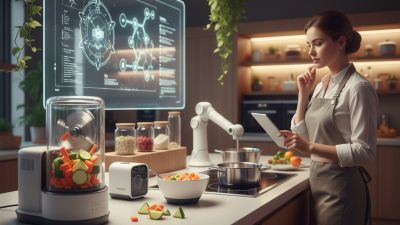
Consider how food tech products can simplify meal prep. Imagine a device that can suggest recipes based on available ingredients. Or a gadget that monitors food freshness. Such innovations are not just novelties; they reflect a growing need for convenience and sustainability in our daily lives.
However, while many products boast impressive features, not all live up to expectations. Some may fall short in reliability or practicality. This highlights the importance of careful selection and research. Exploring various food tech products can lead to exciting discoveries, but it’s essential to choose wisely.
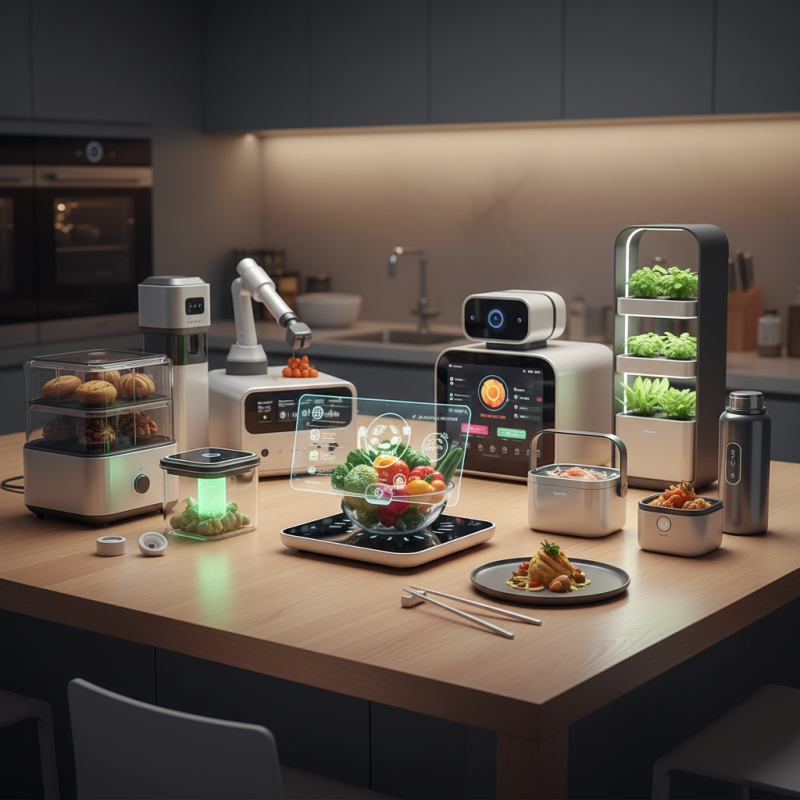
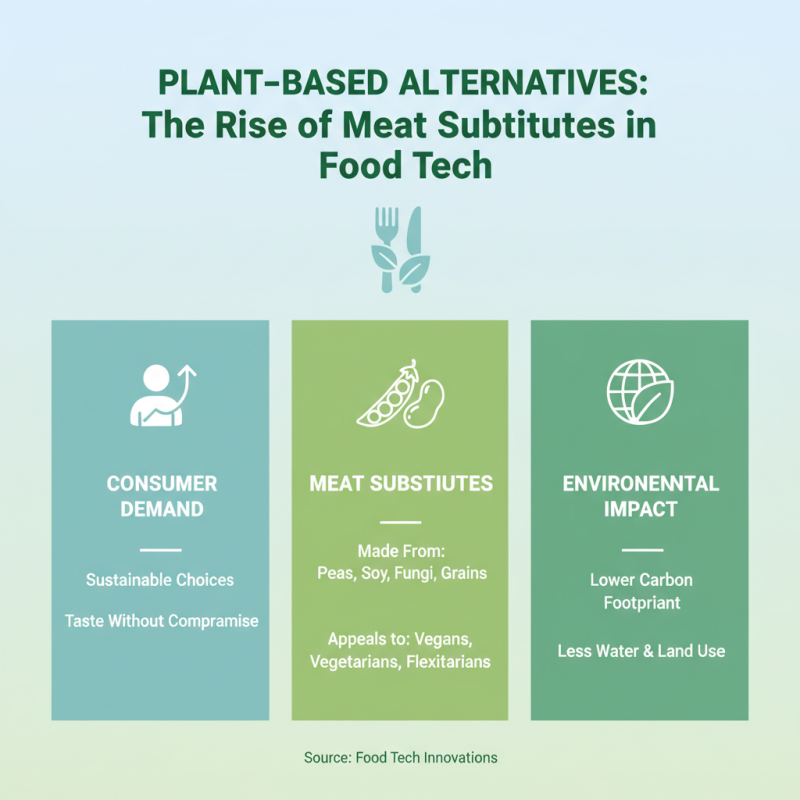
Innovative food tech products are reshaping the culinary landscape. According to a report by Grand View Research, the global food tech market is expected to reach $342 billion by 2027, highlighting a significant shift in consumer preferences. With the rise of plant-based alternatives and lab-grown meats, traditional notions of food sourcing are being challenged. Consumers now seek not only taste and nutrition but also sustainability in their meals.
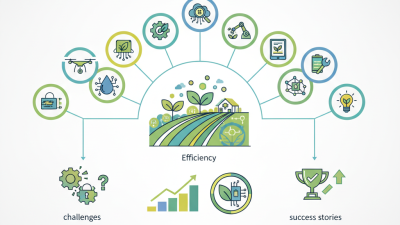
These technological advancements are driving efficiency in food production. Automated kitchens and AI-driven recipe recommendations are enhancing cooking experiences. For instance, smart cooking devices offer precise temperature control, making it easier for amateur cooks to recreate gourmet dishes. However, this reliance on technology raises questions about authenticity and the essence of home cooking. As the market evolves, striking a balance between innovation and traditional methods remains crucial.
Data from the Food Tech Innovation Network indicates that 60% of consumers express interest in trying new food tech products. Yet, many still prefer authentic experiences and local flavors. This dichotomy illustrates a growing need for food tech to embrace cultural elements. While convenience is valuable, the importance of connection to food’s origins and preparation is irreplaceable. Adapting food technology in a way that honors these values will be key for future growth.
| Product Name | Category | Description | Key Features | Impact on Industry |
|---|---|---|---|---|
| Smart Oven | Cooking Appliance | An oven that can be controlled via a smartphone app to optimize cooking times and temperatures. | Wi-Fi Connectivity, Recipe Database, Remote Control | Reduces cooking time and energy consumption. |
| 3D Food Printer | Food Production | A printer that uses food ingredients to create intricate, customizable food designs. | Custom Shape, Edible Materials, Fast Production | Enables personalization and creativity in culinary presentations. |
| Plant-Based Meat Alternative | Food Product | A meat substitute made from plants that mimics the taste and texture of beef. | High Protein, Low Fat, Sustainable | Reduces reliance on animal agriculture and promotes healthier eating. |
| Smart Kitchen Scale | Cooking Gadget | A scale that syncs with a mobile app to offer nutritional information and recipe guidance. | Nutritional Information, Recipe Suggestions, Bluetooth Connectivity | Improves accuracy in cooking and promotes healthier choices. |
| Food Waste Tracker | Sustainability Tool | An app that helps users monitor and reduce food waste in their households. | Waste Analytics, Alerts, Suggestions for Use | Promotes sustainability and responsible consumption. |
| Automated Fermentation Device | Fermentation Tool | A device that automates the fermentation process for various food products. | Temperature Control, Time Management, Recipe Integration | Encourages home fermentation and exploration of flavors. |
| Personalized Nutrition App | Health & Wellness | An app that creates a personalized diet plan based on user preferences and health goals. | User Profile, Recipe Recommendations, Tracking Features | Supports healthier lifestyle choices tailored to individual needs. |
| Molecular Cooking Kit | Culinary Innovation | A kit for home chefs to experiment with molecular gastronomy techniques. | Instructional Guides, Specialty Ingredients, Lab Equipment | Enhances culinary skills and introduces new textures and presentations. |
| Smart Refrigerator | Kitchen Appliance | A refrigerator that monitors food inventory and expiration dates. | Inventory Alerts, Recipe Suggestions, Energy Efficiency | Minimizes food waste and facilitates meal planning. |