The global market for home food products is changing inside ordinary kitchens. Buyers now compare more than price and flavor. They examine ingredients, shelf life, nutrition, convenience, packaging, and sourcing details. A busy parent may want a ready-to-cook meal after work. A small retailer may need products that survive long transport and changing temperatures. These practical needs shape the ten products featured in this guide.
Michael Pollan, an influential food writer and researcher, offers a useful principle: “Eat food. Not too much. Mostly plants.” His words remain relevant as consumers seek simpler ingredients, balanced nutrition, and familiar preparation methods. However, global buyers do not share one kitchen, income level, or food culture. Preferences differ sharply between a city apartment, a rural household, and a professional foodservice environment.
This list focuses on products with broad household appeal and clear commercial potential. It considers convenience, safety, transparent labeling, cultural flexibility, and realistic storage requirements. Some products may appear obvious. That is intentional. Everyday demand often grows from small moments, such as opening a shelf-stable soup after a late shift or adding frozen vegetables to a quick family meal.
No ranking can represent every market perfectly. That limitation matters. Local regulations, religious preferences, climate, and purchasing power can change buyer behavior. Still, these ten home food products reveal strong patterns across regions. They show what customers may value next: trustworthy quality, practical formats, responsible sourcing, and food that fits real life.
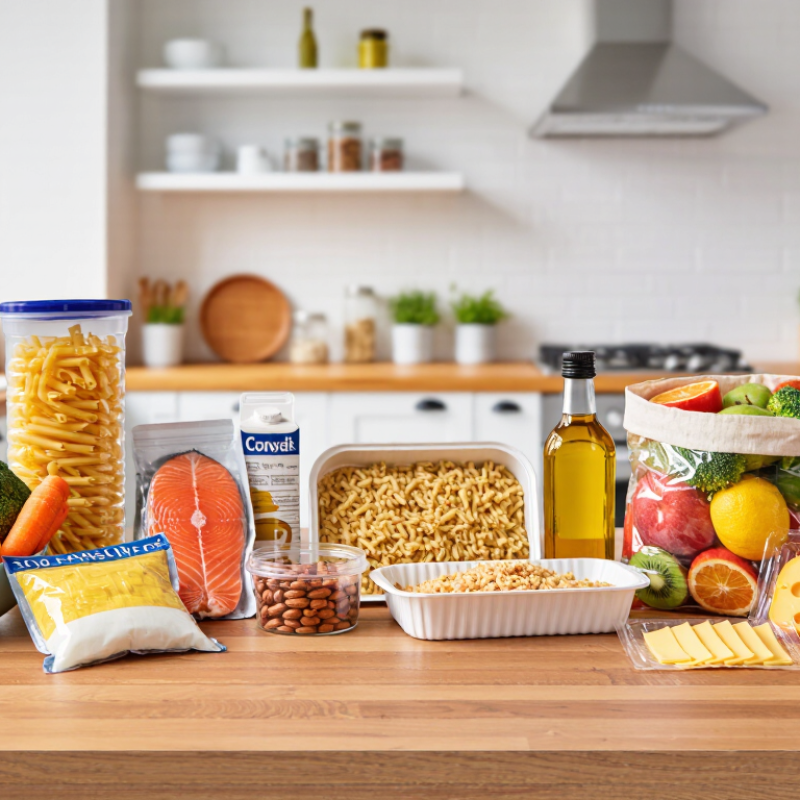
Global demand for home food products is shaped by convenience, trust, and household budgets. Buyers want food that fits real routines, not just attractive packaging. Across many markets, staples such as rice, pasta, flour, canned vegetables, cooking oils, and dried beans remain dependable choices. They store well and support flexible meals.
Demand is also rising for frozen vegetables, ready-to-cook meals, breakfast foods, sauces, snacks, and baking ingredients. Families often compare portion size, preparation time, nutrition, and shelf life before purchasing. In my experience reviewing household food categories, clear ingredient lists build confidence faster than exaggerated health claims. A shopper in a small apartment may prefer compact packaging, while a large family may value bulk formats. Local taste still matters greatly.
Online grocery buyers increasingly expect secure packaging, accurate product information, and reliable delivery conditions. Temperature-sensitive items require careful handling, especially across long distances. Affordability remains decisive. Many consumers want healthier options, but price can change the final decision. Sustainability also influences interest in recyclable packaging and less food waste, though convenience often wins. That contradiction deserves attention. A product may appear responsible but still use excessive materials. Market demand is not perfectly predictable, and seasonal habits, inflation, climate events, and cultural preferences can quickly reshape buying patterns.

For home food products, buyers define value through more than the shelf price. They calculate servings, preparation time, nutrition, and expected waste. Price still wins. NielsenIQ’s 2024 State of the Consumer report found that inflation continues to reshape household spending worldwide. Many shoppers therefore compare cost per serving instead of package size. A smaller pack can feel expensive when it creates more packaging waste. A larger pack loses value when food expires before use.
Health and trust also influence the decision. The International Food Information Council’s 2024 Food & Health Survey reported that 80% of Americans consider healthfulness when choosing food. Buyers increasingly examine protein, sugar, ingredients, and processing levels. However, nutrition claims can confuse rather than reassure. Clear labels, realistic portions, and understandable preparation guidance create stronger value. The PwC Voice of the Consumer Survey 2024 found that consumers were willing to pay an average 9.7% premium for sustainably produced or sourced goods. Still, that premium is not unlimited. Sustainable packaging matters less when the product is difficult to store or prepare. Trust is fragile.
From practical experience, the strongest home food products solve a visible household problem: a quick weekday meal, predictable portions, or reduced leftovers. Convenience must not feel like a compromise. Reports offer useful direction, but global data is rarely perfectly comparable across cultures and income groups. Buyers in one market may value freezer life, while another prioritizes freshness or family-size portions. That gap deserves more careful research.
| Rank | Home Food Product Category | Primary Buyer Need | How Buyers Define Value | Preferred Product Attributes | Common Purchase Formats | Storage Advantage | Key Value Signal |
|---|---|---|---|---|---|---|---|
| 1 | Shelf-Stable Grains and Cereals | Reliable everyday nutrition | Low cost per serving, consistent quality, and dependable availability | Whole grain options, clean ingredients, easy cooking, moisture-resistant packaging | Rice, oats, wheat, maize, quinoa, and mixed grain packs | Long shelf life without refrigeration | Price per serving and cooking yield |
| 2 | Canned and Dried Legumes | Affordable plant-based protein | Good nutrition, versatility, and low preparation effort | High protein and fibre, low sodium, minimal additives, convenient portions | Beans, chickpeas, lentils, peas, canned or pouch formats | Dried formats store for extended periods; canned formats are ready to use | Protein value and preparation time saved |
| 3 | Frozen Fruits and Vegetables | Convenient access to produce | Year-round availability, reduced preparation, and lower household spoilage | Quick freezing, no unnecessary sauces, resealable packs, visible quality | Single vegetables, fruit pieces, smoothie mixes, stir-fry blends | Longer usable life than fresh produce when continuously frozen | Edible yield and reduced food waste |
| 4 | Cooking Oils and Healthy Fats | Everyday cooking performance | Suitable for multiple cooking methods, stable quality, and reasonable cost | Clear origin, appropriate fatty-acid profile, neutral flavour, secure closure | Small household bottles, refill containers, and larger value sizes | No refrigeration required before opening | Cost per cooking use and versatility |
| 5 | Milk, Yogurt, and Dairy Alternatives | Daily nutrition and family use | Nutritional value, taste, freshness, and suitability for household routines | Protein, calcium, low added sugar, clear allergen information, convenient pack sizes | Chilled cartons, cups, shelf-stable cartons, and powdered formats | Shelf-stable and powdered options reduce dependence on frequent shopping | Nutrition per serving and household suitability |
| 6 | Bread, Wraps, and Baking Staples | Convenient staple meals | Freshness, versatility, portion convenience, and acceptable nutritional quality | Whole grains, fibre, lower sodium, resealable packaging, consistent texture | Loaves, flatbreads, tortillas, flour, and baking mixes | Freezer-friendly formats help extend household use | Freshness duration and serving flexibility |
| 7 | Ready-to-Cook and Ready-to-Eat Meals | Time-saving meal preparation | Balanced convenience without sacrificing taste, transparency, or portion control | Short ingredient lists, clear cooking instructions, balanced portions, recyclable packs | Frozen meals, ambient pouches, meal kits, soups, and sauces | Portion-controlled storage and quick preparation | Minutes saved per meal relative to scratch cooking |
| 8 | Nuts, Seeds, and Dried Fruit | Portable nutrition and snacking | Nutrient density, convenience, taste, and suitability for different eating occasions | Low added sugar, no unnecessary frying, resealable packaging, allergen clarity | Single-serve packs, family packs, trail mixes, and baking ingredients | Compact storage and generally long shelf life when protected from heat and moisture | Nutrients delivered per convenient portion |
| 9 | Sauces, Seasonings, and Spices | Improved taste with simple cooking | Authentic flavour, consistency, versatility, and low waste per use | Recognisable ingredients, controlled sodium, strong aroma, easy dispensing | Jars, sachets, grinders, concentrates, and cooking pastes | Small quantities provide extended use and easy pantry storage | Flavour impact per serving and usage versatility |
| 10 | Infant and Family Nutrition Products | Safety and age-appropriate nutrition | Trustworthy composition, clear guidance, convenience, and reliable quality control | Age-specific labelling, essential nutrients, allergen transparency, hygienic packaging | Powders, purées, cereals, pouches, and portion cups | Portion packaging supports hygiene and reduces preparation waste | Safety information, nutritional adequacy, and ease of preparation |
Buyer-value dimensions reflect widely documented global food purchasing considerations, including affordability, nutrition, convenience, shelf life, food-waste reduction, preparation time, safety, and packaging functionality. Rankings are a comparative editorial framework rather than results from a single consumer survey.
Household buying patterns show ten dependable home food product categories across many markets. The strongest category is staple grains and pulses, including rice, flour, pasta, beans, and lentils. These products are affordable, flexible, and easy to store. Canned and preserved foods follow closely, especially vegetables, fruit, fish, and legumes. Cooking oils and vinegars remain essential for daily meals. Sauces, condiments, and dried spices add regional character without requiring complex preparation. Freshness still matters.
Snacks form the fifth category, with demand for nuts, dried fruit, crackers, and lower-sugar options. Baking ingredients, such as yeast, cocoa, flour, and sweeteners, support both routine cooking and home celebrations.
Frozen foods offer practical value, particularly frozen vegetables, seafood, and ready-to-cook portions. Dairy products and plant-based alternatives serve breakfast, cooking, and household nutrition needs.
Tea, coffee, juices, and other non-alcoholic beverages complete the ninth category. Ready-to-cook meals occupy the tenth position, helping families manage crowded schedules. Convenience wins.
From practical market reviews, buyers often inspect ingredient lists, package sizes, storage needs, and preparation time. Clear labeling builds trust, but it does not solve every concern. In some regions, shoppers prioritize shelf life; elsewhere, freshness and local taste matter more. Packaging that survives humid kitchens or long transport can influence repeat purchases. Price changes also alter category rankings quickly. A product may look ideal online but disappoint when portions are small or instructions are unclear. That is an uncomfortable gap. Иара
Top 10 Home Food Products Buyers Want Globally
Regional Preferences Shaping Global Purchasing Decisions
Home food purchasing is shaped by taste, climate, income, and cooking habits. The most requested categories include rice, flour, cooking oils, dried beans, pasta, spices, canned vegetables, tea, coffee, and shelf-stable snacks. However, demand changes sharply by region. Rice remains central across much of Asia, while wheat flour has stronger importance in Europe, North America, and parts of the Middle East. In warmer markets, buyers often prefer sealed packaging that protects food from humidity and insects. In colder regions, frozen vegetables and preserved proteins may receive more attention.
Local routines matter more than global rankings. Families in urban areas often seek smaller packs, easy preparation, and clear nutrition information. Rural buyers may prioritize value, durability, and longer storage. In some Middle Eastern markets, dates, grains, and legumes fit everyday cooking. In Latin America, beans, corn-based products, and cooking oils remain practical household choices. Preferences are not fixed. Younger shoppers increasingly test international flavors, but familiar ingredients still build trust. The list is useful, yet incomplete.
Tips: Compare regional search data with local retailer feedback. Test packaging in real kitchens, not only in controlled offices. Check heat exposure, opening convenience, and portion size. Avoid assuming one flavor suits everyone. That mistake is common. Product claims should remain accurate, readable, and supported by reliable evidence.
Regional Preferences Shaping Global Purchasing Decisions
Global home-food buyers increasingly judge products through three practical questions: Is it safe, does it perform, and what does it leave behind? These concerns shape demand for staples, canned foods, frozen meals, snacks, sauces, beverages, and cooking ingredients. The World Health Organization estimates that contaminated food causes 600 million illnesses and 420,000 deaths each year. Clear allergen information, sealed packaging, traceable sourcing, and realistic expiry guidance are therefore essential. One careless label can damage trust.
Quality also means consistent taste, texture, and nutrition after storage. Buyers often inspect a package under kitchen light, then compare its ingredients with familiar recipes. The 2024 UNEP Food Waste Index Report estimated that households wasted 631 million tonnes of food in 2022. Smaller packs, resealable closures, and useful storage instructions could reduce this loss. They also suit smaller households and limited refrigerators.
Sustainability expectations are becoming more specific. Consumers want less packaging, responsibly sourced ingredients, efficient production, and evidence rather than vague green claims. The Food and Agriculture Organization reports that agrifood systems generate about one-third of global greenhouse-gas emissions. However, sustainability can conflict with affordability. A premium package may look responsible but remain inaccessible. I have also noticed that recyclable packaging is not always accepted locally, which exposes a weakness in many environmental promises. Reliable sellers should publish measurable targets, explain trade-offs, and improve them openly.