Top 10 International Food Trends for Global Buyers?
In recent years, the international food sector has witnessed remarkable changes. Experts like Thomas Keller, a renowned chef and culinary innovator, assert, “Food is a representation of culture.” This idea resonates deeply as consumers become more adventurous. They seek authentic flavors from across the globe.
The diversity of international food trends reflects a blending of cultures. From plant-based dishes to fusion cuisines, global buyers have a wealth of options. However, not all trends stand the test of time. Some fleeting fads capture attention but lack depth. It is essential to identify what truly resonates with consumers.
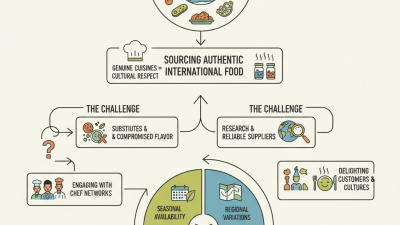
As we delve into the top ten international food trends, we must consider consumer preferences and values. Amidst the fascination with exotic ingredients, some trends may be superficial. A thorough understanding of these trends is crucial for informed decisions in the marketplace. After all, in the realm of international food, authenticity is king.

Emergence of Plant-Based Diets in Global Cuisine
The rise of plant-based diets has transformed global cuisine. More people are opting for these diets due to health and ethical reasons. Research shows a significant increase in demand for plant-based options. This trend is visible across restaurants and home kitchens alike.
Restaurants now offer creative plant-based dishes that cater to various tastes. Chefs experiment with ingredients like jackfruit, lentils, and chickpeas. They create savory meals that resonate with consumers' preferences. Meat substitutes made from plants are gaining momentum. They are marketed as healthier and more sustainable choices.
Yet, challenges remain in mainstreaming these diets. Not everyone is ready to embrace plant-based meals. Some may find them less satisfying than traditional options. Education on nutrition and cooking methods is essential. People need guidance on how to incorporate these foods into their diets. The journey toward plant-based eating requires patience and adaptation.
Rise of Ethnic Flavors in Mainstream Food Products
The demand for ethnic flavors in mainstream food products is rapidly increasing. Consumers seek unique tastes that reflect global culinary traditions. According to a recent report by the Specialty Food Association, 48% of consumers express a desire for more international flavors in their meals. This trend indicates a shift towards diversity in food choices.
Restaurants and food retailers are noticing this shift. Many now feature spices and ingredients from Asia, Africa, and Latin America. For example, the use of harissa, a North African chili paste, has surged in popularity. In fact, Google Trends shows a 300% increase in recipe searches for harissa over the past year. This suggests that more people are cooking with ethnic ingredients at home.
However, challenges remain. Not all consumers are familiar with these flavors. Education and marketing strategies must adapt to bridge this gap. A report from Food & Drink International emphasizes the need for clear labeling and cooking guides. This increases consumer confidence in trying new flavors. As the market evolves, the embrace of ethnic cuisine will likely create more adventurous palates among buyers.
Top 10 International Food Trends for Global Buyers
This chart illustrates the rise of ethnic flavors in mainstream food products according to global consumers' preferences. The data represents the popularity of various ethnic cuisines over the past year.
Sustainable and Eco-Friendly Packaging Trends
Sustainable and eco-friendly packaging is a critical focus in the global food industry. Recent reports indicate that about 66% of consumers prefer brands that use sustainable practices. Eco-conscious buyers are driving this trend. They prioritize packaging made from recyclable or biodegradable materials. These preferences are reshaping how food companies approach their packaging solutions.
The demand for sustainable packaging has surged. By 2025, the global sustainable packaging market is projected to reach $500 billion. This growth is fueled by increased awareness of plastic pollution and its impact on the environment. Companies are experimenting with innovative materials, like plant-based plastics and compostable films. Yet, challenges remain. Not all regions have the infrastructure to support recycling processes. Discrepancies in consumer knowledge about recyclable materials persist, leading to confusion and waste.
It's essential for brands to communicate effectively. Clear labeling and consumer education are crucial. As more companies adopt greener packaging, they must balance sustainability with functionality. The pursuit of eco-friendly options often leads to increased costs and design limitations. This ongoing evolution requires critical reflection on the trade-offs between sustainability and practicality in product packaging. Brands must continually innovate while being transparent about their practices and materials.
Incorporation of Technology in Food Preparation and Delivery
In today's fast-paced world, technology profoundly impacts food preparation and delivery. Many restaurants now utilize automation to streamline cooking processes. Robots and advanced ovens can cook meals with high precision and consistency. This reduces human error and improves efficiency significantly.
Delivery apps have transformed how consumers access food. They offer diverse menus at our fingertips. However, reliance on technology also poses challenges. Not everyone is comfortable with app navigation. Some may face issues with food quality during transit. Additionally, data security remains a pressing concern as personal information is shared online.
Virtual kitchens are another trend gaining traction. These establishments focus solely on delivery, minimizing overhead costs. Yet, they lack the ambiance of traditional dining. This shift might challenge the social aspect of sharing a meal. Finding a balance between tech efficiency and a personal dining experience is essential. The future of food hinges on these evolving dynamics.
Growth of Functional Foods and Nutraceuticals in Diets
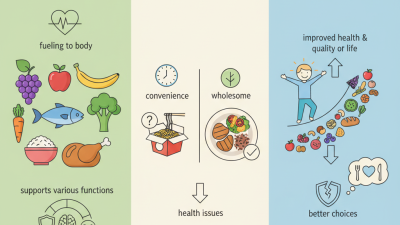
The growth of functional foods and nutraceuticals is reshaping diets globally. Recent data indicates that the functional food market is projected to reach $275 billion by 2025. This is largely due to increasing consumer awareness about health and wellness. People are now more focused on what they eat. They seek foods that provide health benefits beyond basic nutrition.
Nutraceuticals play a vital role in this trend. These products are derived from food sources, offering medical or health benefits. For instance, probiotics and omega-3 fatty acids are popular choices among health-conscious consumers. In fact, a survey found that 75% of consumers regularly incorporate functional ingredients into their diets. This growing interest highlights a shift in thinking—food as medicine.
Despite this positive trajectory, there are challenges. Many consumers struggle to differentiate between genuine health claims and marketing gimmicks. There’s also concern over accessibility and affordability of these functional foods, especially in lower-income demographics. It raises questions about the real impact of this growth. Are we truly improving public health, or just catering to a niche market? These reflections are essential as the industry evolves.