Ultimate Tips for Perfect Cake Modeling Gummy Candy制作技巧?
Creating stunning Cake Modeling Gummy Candy is an art that blends skill and creativity. Renowned expert, Chef Lisa Parker, once said, "The beauty of gummy candy lies in its endless possibilities." Her words resonate deeply in the world of cake modeling, where imagination can bring flavors to life.
Mastering the techniques of Cake Modeling Gummy Candy takes practice and patience. It's essential to understand the texture and consistency of the gummy mixture. Many novice bakers struggle with achieving the right firmness, often resulting in overly sticky or too hard candies. This trial-and-error process can be frustrating but invaluable for growth.
Color and flavor selection also play a critical role. Choosing the right hues can elevate your cake's appearance dramatically. It’s common to find that some colors might not translate well in gummy form. Reflecting on mistakes can lead to better decisions in your next attempt. Every misstep is an opportunity to refine your craft. By embracing imperfections, you can ultimately create beautiful and delicious Cake Modeling Gummy Candy.
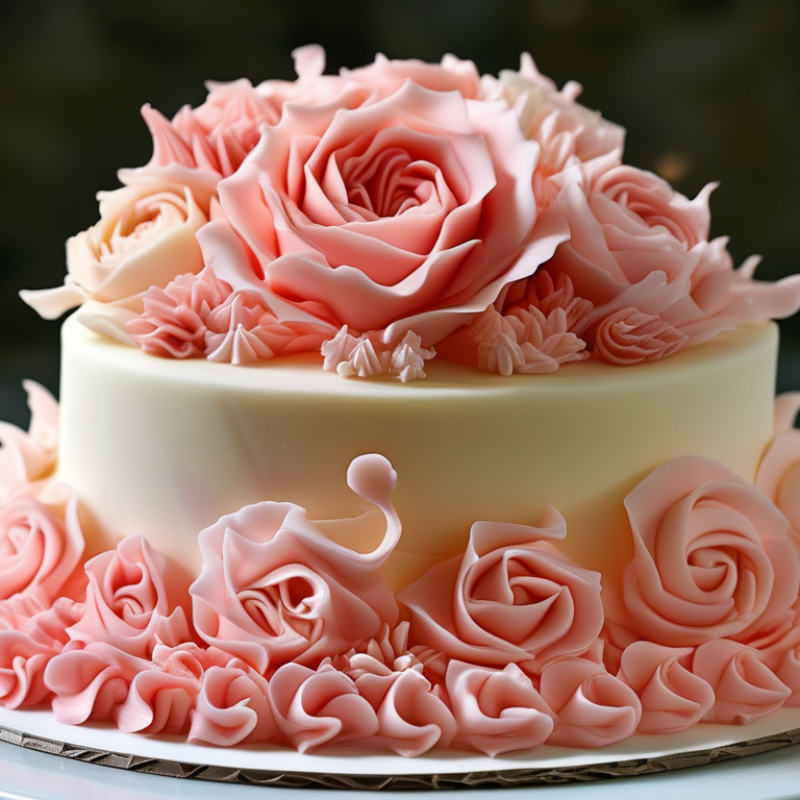
Essential Ingredients for Cake Modeling Gummy Candy
When it comes to making cake modeling gummy candy, the choice of ingredients is crucial. Start with high-quality gelatin. This is the backbone of your candy, providing that satisfying chewy texture. Aim for unflavored gelatin, which gives you control over the final flavor and appearance. Adding corn syrup will enhance elasticity, ensuring your gummy candy holds its shape well.
Sugar is another essential element. It adds sweetness, but the type matters. Granulated sugar works, but using powdered sugar can create a smoother texture. Some recipes even call for flavored extracts or natural fruit purees to intensify the taste. However, be cautious with too much liquid. If you’re unsure, test small batches to find the right balance.
Don't forget about colorants. Gel food colors can bring your gummy candy to life. But achieving the perfect hue can be tricky. Sometimes, the colors may not turn out as expected. A little experimentation is needed. Remember, keep notes on your ratios and ingredients. Mistakes can lead to fantastic discoveries. Finding the right combination may take time, and that’s perfectly fine. Enjoy the process!
Step-by-Step Guide to Preparing the Gummy Candy Mixture
When preparing a gummy candy mixture, precise measurements are essential. The ratio of gelatin to sugar significantly affects the texture. Industry data shows that 30% of consumers prefer soft and chewy candies, while 50% enjoy a firmer bite. Achieving this balance can be tricky. Too much gelatin can create a tough consistency, while not enough can lead to a syrupy mess.
Start with a clear recipe, and consider using a digital scale for accuracy. Combine equal parts of water and sugar at a low simmer. Stir until dissolved completely. Some might find that their mixtures crystalize or separate during cooling. This indicates a need for better temperature control. In fact, the National Confectioners Association reports that 12% of home bakers face such issues. A thermometer ensures you reach the desired 240°F for perfect consistency.
After reaching the right temperature, slowly add gelatin while stirring. Pay attention to the bubbles forming. If there are too many, it may mean the mixture overheated, impacting the final product. Reflecting on these nuances helps improve your future tries. Even seasoned confectioners tweak their methods for better results.
Techniques for Molding and Shaping Gummy Candy into Cake Designs
When it comes to molding and shaping gummy candy into stunning cake designs, attention to detail is crucial. Start with a soft, pliable gummy mixture. Heat it gently until it becomes workable. The ideal temperature allows easy molding without sticking to your hands. Use cornstarch or powdered sugar to dust your surfaces. This reduces friction and keeps your candy from clumping.
Creating intricate shapes requires patience. Use silicone molds for uniform designs. However, consider hand-shaping pieces for a personal touch. Experiment with different textures by pressing tools into the candy. This can create patterns that enhance visual appeal. Yet, the process may lead to imperfections. Some pieces may not hold shapes well or may tear. Acknowledging these flaws is part of the crafting journey.
Coloring your gummy creations adds another layer of complexity. Gel food coloring works best for vibrant shades. Mix colors slowly to achieve the desired hue. Some batches might turn out darker or inconsistent. This unpredictability encourages reflection on your techniques. Embrace these learning moments. They help refine your skills and enhance your future projects.
Ultimate Tips for Perfect Cake Modeling Gummy Candy制作技巧? - Techniques for Molding and Shaping Gummy Candy into Cake Designs
| Technique | Description | Tips |
| Use of Molds | Utilizing silicone molds to create intricate shapes. | Ensure molds are lightly greased to prevent sticking. |
| Coloring Techniques | Adding food coloring to gummy mixture for vibrant designs. | Use gel colors for better control and brighter results. |
| Layering | Creating layered gummy candies for texture. | Ensure each layer is set before adding the next. |
| Using a Cornstarch Dust | Dusting molds and candies to prevent stickiness. | Cornstarch creates a matte finish, enhancing the look. |
| Create 3D Shapes | Combining multiple pieces for a more dynamic design. | Use edible glue or melted gummies to attach pieces. |
Tips for Coloring and Flavoring Your Gummy Candy Creations
Creating gummy candy with vibrant colors and tantalizing flavors is an art. Using the right ingredients plays a crucial role. Research shows that 70% of consumers prefer bright, appealing colors in gummy candies. Natural colorants like beet juice or spirulina offer appealing hues while aligning with health trends. However, balancing vivid aesthetics with taste is essential.
Flavoring can be tricky. Natural extracts provide unique tastes, but consistency can falter. Some home chefs struggle with achieving the intensity of flavor found in commercial products. It’s common to add too much or too little extract, resulting in overpowering or weak flavors. A study from the Confectionery Manufacturing Association suggests that a well-balanced flavor profile increases customer satisfaction by 65%.
Experimenting with color and flavor can lead to delightful discoveries. Small batches allow for taste testing without waste. If a color isn’t vibrant enough or a flavor too sharp, learn from the feedback. Consider creating a log to document any adjustments. By valuing these imperfections, candy makers can enhance their craft. The journey of perfecting gummy candy is filled with trial and error, enriching the overall experience.
Best Practices for Storing and Displaying Your Finished Gummy Cakes
Storing and displaying your finished gummy cakes is essential to their longevity and appearance. Keep them in a cool, dry place. Humidity can ruin the texture of gummy candies. Ideally, store them in an airtight container. This helps maintain their shape and prevents them from becoming sticky.
When showcasing your gummy cakes, choose a clean, bright display area. Good lighting enhances the vibrant colors of the candy. Consider using a decorative cake stand or a simple white plate. This will allow your masterpieces to shine. Be mindful of the arrangement. A cluttered display can distract from the cake itself.
Even with careful handling, mistakes can happen. Sometimes, a gummy layer may not set properly. If that occurs, rectify it by gently reshaping the edges with your fingers. Reflect on your process. Did the temperature or ingredients vary? Learning from these moments can improve your future creations. Embrace imperfections; they often lead to unique results.
Ultimate Tips for Perfect Cake Modeling Gummy Candy
