Why Are Some Food and Products More Popular Than Others?
The popularity of certain food and products fascinates consumers and businesses alike. Some items fly off the shelves, while others gather dust. This disparity raises important questions about what drives popularity. Factors include taste, branding, and societal trends.
Food and products often follow seasons or cultural influences. For instance, pumpkin spice lattes become a trend every fall. People crave familiarity, while also seeking novelty. This struggle creates a complex market landscape. It is not always clear why one product prevails over another.
Consumer preferences are often impulsive. A catchy advertisement can undoubtedly sway choices, but deeper connections matter too. Issues like health and sustainability can shape our decisions. Reflecting on what drives these choices can help brands find their unique voice, yet it remains a challenge in a crowded marketplace.
Factors Influencing the Popularity of Food and Products
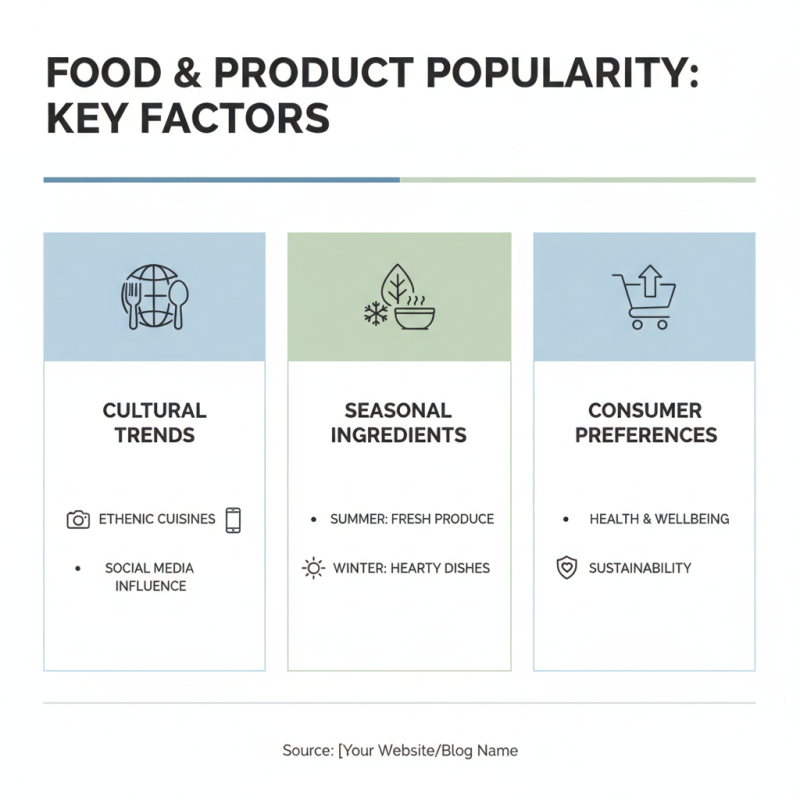
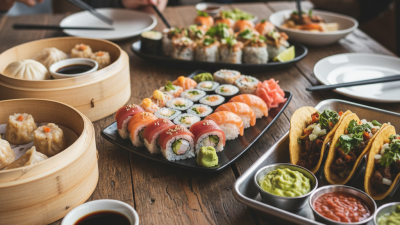
Many factors influence the popularity of food and products. Cultural trends play a significant role. For example, ethnic cuisines often gain traction through social media. This makes them more appealing to a wider audience. Seasonal ingredients also drive interest. People crave fresh produce in summer but may prefer hearty dishes in winter.
Taste and presentation matter too. Attractive packaging can draw attention. Food that looks delicious is more likely to be shared online. However, taste should not be overlooked. A beautiful item should taste as good as it looks. Otherwise, disappointment may ensue. This can lead to a decline in popularity.
Consumer reviews are another critical factor. People trust recommendations from peers. A few negative comments can tarnish a product's image. Despite the efforts put into crafting a great item, it can falter without positive feedback. Brands must constantly adapt. Trends change rapidly today, and what is popular now may not be tomorrow.
Cultural Trends and Their Impact on Consumer Choices
Cultural trends play a significant role in shaping consumer choices.
Food and products that align with current tastes often gain popularity. For instance, plant-based diets have surged in recent years.
People are more conscious about health and the environment. Such shifts reflect broader societal values, impacting buying habits.
Different communities have varied preferences. Regional flavors and traditional practices often influence what is eaten or bought.
Events, like festivals, can elevate certain foods. They become symbols of celebration and unity. Yet,
some trends fade quickly. It's important to question why that happens.
Are they truly sustainable, or just fleeting fads?
Moreover, not all popular products benefit everyone. Accessibility can be an issue.
Some may feel excluded from trends due to price or availability. It's crucial to consider the consumer landscape.
A diverse range of products can serve various needs. Reflection on these aspects might reveal gaps in what we consume and how we engage with trends.
Marketing Strategies That Drive Product Success
In today's market, some food and products capture attention while others fade into obscurity. The effectiveness of marketing strategies often determines this outcome. Visual appeal is crucial. Bright packaging and eye-catching designs draw consumers in. If a product looks good, people are more likely to pick it up.
Storytelling is another powerful tool. Brands that connect emotionally create lasting impressions. Customers remember a product's story, making them more inclined to buy. However, not all stories resonate. Sometimes, they can feel forced or insincere. This tension can turn potential customers away.
Social media presence is vital in shaping popularity. Brands that engage actively can cultivate a loyal community. User-generated content showcases authentic experiences, but not all interactions are positive. Negative feedback can spread quickly. Companies must be prepared to address concerns effectively. Balancing these elements is an ongoing challenge for marketers.
The Role of Social Media in Shaping Popularity
Social media has transformed how we perceive food and products. A single post can skyrocket an item’s popularity overnight. A colorful dish on Instagram can attract hundreds of likes. This instant gratification drives people to try trendy foods. The aesthetics often matter more than the taste. Many rush to savor what’s trending, sometimes overlooking authenticity.
Influencers play a pivotal role in this phenomenon. They share reviews with captivating visuals. Their followers trust their opinions, leading to a significant impact on purchases. Trends emerge quickly, often outpacing genuine favorites. However, not everything marketed is worth the hype. Many items fail to live up to the excitement. This creates a cycle of disappointment and fleeting loyalty.
Moreover, trending products often overshadow local gems. Small businesses struggle to compete with the allure of viral sensations. These overlooked treasures may offer quality and taste that far exceed popular choices. Relying solely on social media can lead us to forget the joy of exploring and discovering. It’s crucial to strike a balance between trends and authenticity.
Why Are Some Food and Products More Popular Than Others?
Quality, Accessibility, and Pricing in Consumer Preferences
Consumer preferences vary widely. Quality, accessibility, and pricing play critical roles. A recent industry report from McKinsey reveals that 70% of consumers prioritize quality when choosing food and products. High-quality goods often attract attention. However, quality alone is not enough. Consumers also seek affordability. Pricing can make or break a product's success.
Accessibility is crucial too. A Nielsen study found that 30% of shoppers abandon brands due to limited availability. This means even great products can fail if they are hard to find. Convenience stores and online platforms that ensure easy access thrive. Yet, not all brands adapt well. Some remain fixed on traditional distribution, missing opportunities.
While quality, accessibility, and pricing drive choices, there are flaws. Brands must constantly reassess their strategies. The market evolves quickly, with changing consumer expectations. Ignoring this can lead to stagnation. Quality can improve, but only if products reach the right audience.