Why Choose Seaweed Fertilizer for Sustainable Agriculture?
The increasing demand for sustainable agriculture has led farmers to explore innovative solutions. One promising option is Seaweed Fertilizer. According to a 2021 report from the Food and Agriculture Organization (FAO), organic fertilizers like seaweed can improve soil health and enhance crop yields. With global agricultural practices facing challenges like soil degradation, Seaweed Fertilizer offers a natural alternative.
Seaweed is rich in micronutrients, promoting plant growth effectively. Research indicates that crops treated with seaweed extract can experience yield increases of up to 30%. Furthermore, its natural composition minimizes environmental impact, aligning with the principles of sustainable farming. Though the benefits are considerable, farmers should also consider the cost of sourcing quality seaweed and its application methods.
As the agricultural landscape evolves, integrating Seaweed Fertilizer remains a subject of debate. Some farmers question its effectiveness compared to traditional fertilizers. Addressing these concerns requires more field trials and education. The journey towards a more sustainable future may be complex, but Seaweed Fertilizer stands out as a viable option for improving agricultural practices.
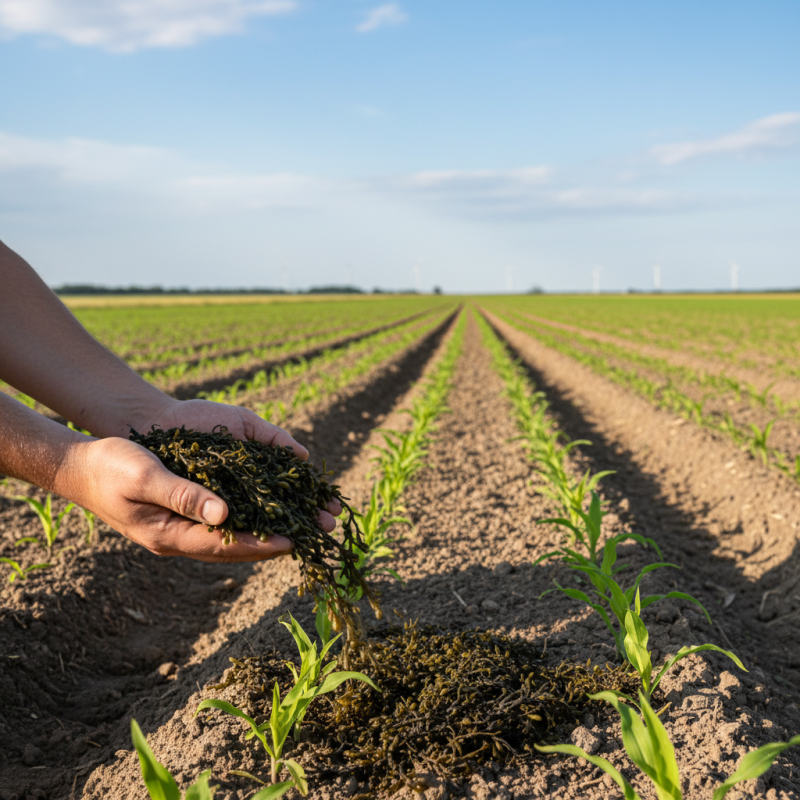
Benefits of Seaweed Fertilizer for Sustainable Agriculture
Seaweed fertilizer is gaining popularity in sustainable agriculture. This organic option brings numerous advantages. Rich in essential nutrients, it enhances soil health and promotes plant growth. Seaweed contains macronutrients like nitrogen and potassium, which are vital for crops. Additionally, it has micronutrients that improve plant resilience.
Farmers often observe increased crop yields and better quality produce when using seaweed. The natural compounds in seaweed support microbial life in the soil. This boosts nutrient availability, helping plants thrive. Farmers reported healthier plants that resist pests better, reducing the need for chemical pesticides.
Some challenges arise when adopting seaweed fertilizer. Sourcing high-quality seaweed can be difficult. Not all seaweed types have the same benefits, and improper application can lead to nutrient imbalances. It's essential to understand local soil conditions and crop needs. Farm practices should evolve, reflecting a balance between tradition and innovation. Seeking expert advice may help ensure the best results.
Nutrient-Rich Composition of Seaweed Fertilizer
Seaweed fertilizer has gained attention for its nutrient-rich composition. This organic option supports plant health and growth. Rich in essential nutrients, seaweed fertilizer contains nitrogen, phosphorus, and potassium. It also offers trace elements like iron, magnesium, and calcium. These nutrients work together to enhance soil structure and promote root development.
Using seaweed fertilizer can lead to improved crop yields. It helps plants better absorb water and nutrients. Farmers notice stronger disease resistance in crops treated with seaweed. However, farmers must ensure they source quality seaweed. Poor-quality products may not provide the expected benefits. Effective use requires understanding the specific needs of crops.
Moreover, seaweed fertilizer aids in soil health. Its natural compounds enhance microbial activity. This, in turn, contributes to nutrient cycling and improved soil fertility. While popular, reliance solely on seaweed may not meet all nutrient needs. A balanced approach is necessary. Combining seaweed with other organic inputs can optimize results. Experimentation and observation are critical for success in sustainable agriculture.
Impact of Seaweed Fertilizer on Soil Health
Seaweed fertilizers are gaining attention for their positive impact on soil health. They enrich the soil with essential nutrients, including nitrogen, phosphorus, and potassium. According to a report by the Global Forum on Agricultural Research, seaweed fertilizers can improve soil structure and enhance microbial activity. This results in healthier plant growth and higher crop yields.
Research shows that the application of seaweed fertilizers can lead to a 20-30% increase in crop yields. Studies have also indicated a boost in soil organic matter, which is crucial for maintaining nutrient availability. These benefits translate to improved soil fertility over time. However, the specific effects may vary based on soil type and climate conditions.
**Tips:** When applying seaweed fertilizer, consider the timing of application. Early spring is often ideal. It’s essential to monitor soil moisture before use to avoid over-fertilizing. Testing soil periodically can provide insights into nutrient levels and help in precision application.
Why Choose Seaweed Fertilizer for Sustainable Agriculture? - Impact of Seaweed Fertilizer on Soil Health
| Aspect | Benefits | Impact on Soil Health | Nutrient Content |
| Soil Structure | Enhances soil aeration | Improves water retention | Nitrogen, Phosphorus, Potassium |
| Microbial Activity | Stimulates beneficial microorganisms | Increases soil fertility | Micronutrients, Growth Hormones |
| Salt Resistance | Supports crops in saline environments | Reduces salt stress | Mineral Balancing Agents |
| Plant Growth | Enhances root development | Promotes healthy plant growth | Vitamins, Amino Acids |
| Organic Matter | Increases organic content | Enhances soil biodiversity | Natural Growth Promoters |
Role of Seaweed Fertilizer in Enhancing Crop Resilience
Seaweed fertilizer is gaining traction in sustainable agriculture because of its unique benefits. It enhances soil health and boosts plant resilience to environmental stressors. Research suggests that seaweed contains essential nutrients and hormones that promote root growth. Stronger roots mean better access to water and nutrients, critical during droughts.
Additionally, seaweed fertilizers improve resistance to pests and diseases. Plants treated with seaweed show increased production of natural defense compounds. This leads to healthier crops with improved yields. However, not all seaweed sources are created equal; quality varies significantly. Farmers must choose carefully to derive maximum benefits.
While seaweed fertilizers offer many advantages, there are challenges. Not every crop responds equally to seaweed treatment. This variability can create uncertainty for farmers. Moreover, sustainability of harvest practices must be considered. The long-term impact on marine ecosystems is still being studied. Balancing benefits and environmental responsibility is crucial.
Environmental Advantages of Using Seaweed in Farming Practices
Seaweed fertilizer offers significant environmental benefits in sustainable agriculture. It is packed with essential nutrients. A study from the National Institute of Agricultural Botany indicates that seaweed can improve soil fertility by enhancing microbial activity. Increased microbes lead to healthier crops. This process reduces the need for chemical fertilizers that can harm ecosystems.
Using seaweed also aids in carbon sequestration. According to a report by the Food and Agriculture Organization (FAO), sustainable seaweed farming can capture carbon effectively. This practice contributes to climate change mitigation. Additionally, seaweed naturally absorbs excess nitrogen, which prevents water pollution from runoffs. This can protect aquatic ecosystems from nutrient overload.
There are challenges to consider. The availability of quality seaweed can be inconsistent. Local regulations may also affect harvesting practices. Farmers must weigh these factors against the benefits. However, the potential for reducing chemical dependency and improving soil health makes seaweed an attractive option.
