How to Discover Innovative Food Trends for Culinary Creativity?
In today's culinary landscape, discovering innovative food trends is essential for chefs and food enthusiasts alike. According to the Food and Agriculture Organization, the global food market has evolved rapidly, with consumers increasingly seeking unique and health-conscious options. A 2022 report from Mintel revealed that 73% of consumers are open to trying innovative food products that align with their values.
The exploration of innovative food not only supports creativity but also enhances dining experiences. Transparency and sustainability are now pivotal to many culinary creations. Chefs are encouraged to tap into local ingredients and cultural influences to craft dishes that resonate. However, staying current with these trends can pose challenges. The constant fluctuation in consumer preferences demands that professionals remain adaptable and open to experimentation.
Ultimately, the journey to harnessing innovative food requires both depth and clarity. Industry leaders must balance tradition with new techniques and flavors. Engaging with emerging trends while reflecting on one’s culinary philosophy is key. Embracing imperfections and learning from failures can lead to remarkable success in creating truly innovative food.
Identifying Influential Sources for Culinary Trend Research
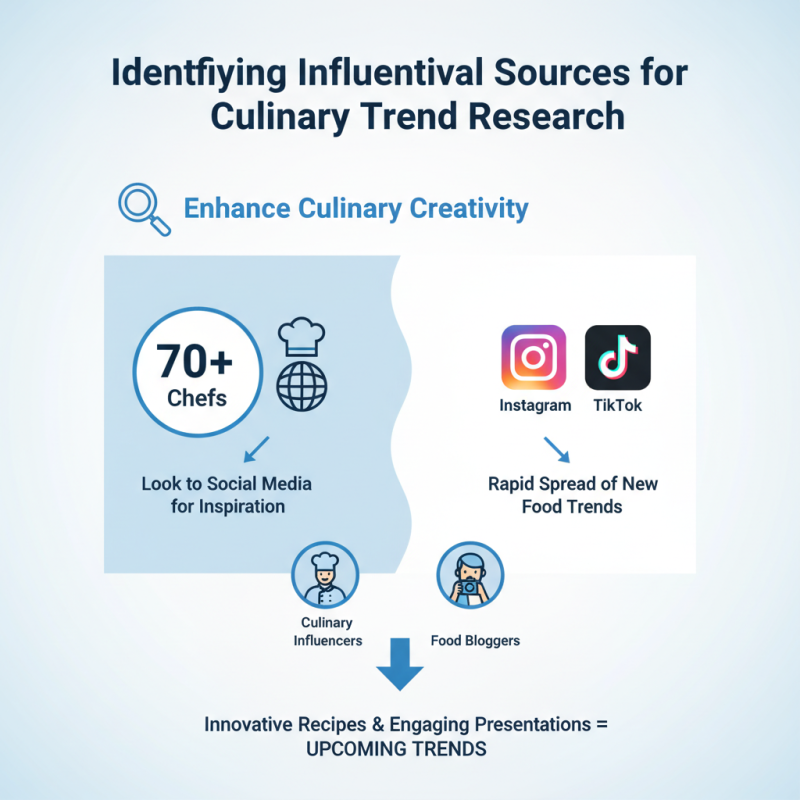
Identifying influential sources for culinary trend research is crucial for enhancing culinary creativity. Industry reports highlight that over 70% of chefs worldwide look to social media for inspiration. Platforms like Instagram and TikTok rapidly spread new food trends. Chefs can find innovative ideas by following culinary influencers and food bloggers. Their unique recipes and engaging presentations often set the tone for upcoming trends.
Trend analysis from market research firms reveals that health-conscious eating and plant-based diets are on the rise. This shift is particularly evident, with nearly 50% of diners opting for plant-based meals. Staying connected to food festivals and culinary events can also offer insights into emerging trends. Chefs attending these gatherings often discover new flavors and techniques to incorporate into their menus.
Tip: Regularly check reports from culinary schools for emerging trends. They often provide data on student preferences and industry shifts. Another suggestion is to join food trend forums and engage in discussions to exchange ideas. These networks can provide invaluable perspectives and alert you to rising trends before they become mainstream.
Analyzing Consumer Behavior and Preferences in Food Choices
Understanding consumer behavior is essential for discovering innovative food trends. According to a recent report by the Food Marketing Institute, about 75% of consumers now prioritize sustainability in their food choices. This shift reflects a growing awareness of environmental impact. Food businesses must adapt to these changing preferences. They can explore plant-based and locally sourced ingredients that align with these values.
Moreover, the International Food Information Council found that 56% of consumers are influenced by health considerations when selecting food products. Digging into this data shows a clear preference for functional foods that offer additional benefits. For instance, foods rich in probiotics and antioxidants are gaining traction. Yet, the industry faces challenges in educating consumers about these benefits. Misinformation can lead to skepticism and confusion.
Lastly, the desire for unique and experiential dining has never been stronger. A recent survey by Mintel reveals that 40% of consumers seek new flavors and authentic experiences. This trend encourages chefs to experiment with bold spices and unexpected pairings. However, maintaining quality and authenticity poses a challenge. Balancing innovation with customer expectations is not easy. Businesses must continuously analyze consumer feedback to refine their offerings.
Innovative Food Trends Analysis
Utilizing Social Media and Food Influencers for Inspiration
Social media has transformed the culinary landscape. It offers a wealth of inspiration through vibrant visuals and diverse food cultures.
According to a report from the National Restaurant Association, 78% of chefs look to social media for menu ideas. Platforms like Instagram and TikTok showcase trending dishes and unique ingredients.
This visual medium allows chefs to explore innovative approaches to cooking that were previously inaccessible.
Food influencers play a crucial role in shaping these trends. They channel creativity and experimentation into their cooking. Their reach is vast.
A recent survey by Influencer Marketing Hub found that food influencers can generate engagement rates of 2-3 times higher than traditional marketing.
Chefs and home cooks often try to replicate popular recipes shared by these influencers, and this can lead to a resurgence of classic dishes or entirely new creations.
However, relying solely on influencers can sometimes lead to a homogenization of ideas.
Experimentation is key in culinary arts. While social media provides endless inspiration, it may also pressure chefs to chase trends quickly.
Trends can fade just as fast as they rise. A thoughtful approach—one that combines inspiration with personal creativity—can lead to truly innovative dishes.
Engaging with social media means embracing both new ideas and the possibility of failure in the kitchen.
Balancing trend-following with personal style is essential for culinary success.
Exploring Global Cuisine and Regional Ingredients for Innovation
Exploring global cuisine opens the door to endless culinary creativity. Each region boasts unique flavors and ingredients that inspire innovation. For example, Japanese miso adds depth to numerous dishes. Its umami richness transforms simple vegetables into gourmet experiences.
Regional ingredients play a crucial role in this exploration. Consider using local herbs and spices to enhance your dishes. Imagine a dish featuring vibrant cilantro or zesty sumac. These elements not only elevate taste but also connect diners to the local culture. However, sourcing authentic ingredients can be challenging. Accessibility and seasonality may hinder innovation.
To truly embrace global cuisine, we must reflect on our approach. Are we merely imitating trends, or are we creating something original? It’s important to experiment with cooking methods and presentation. Each attempt may not yield success, but that’s part of the journey. Embrace imperfections and learn from them. This is how true culinary art evolves.
Leveraging Data Analytics to Predict Emerging Food Trends
Data analytics is revolutionizing the food industry. By analyzing consumer behavior, chefs can spot emerging trends. Tools like social media analytics track the popularity of dishes and ingredients. This data reveals what diners crave today. Chefs can adjust menus based on these insights, offering fresh options.
Analyzing search queries is another method. Food trends often stem from what people are searching for online. Are gluten-free recipes in demand? Or perhaps there's a spike in interest for plant-based diets? These insights guide culinary creativity. However, relying solely on data can lead to overlooking unique regional flavors. Personal experience in the kitchen should not be underestimated.
Incorporating consumer feedback is essential. Surveys and taste tests provide valuable information. Chefs should balance data with their culinary intuition. Data can suggest trends, but the heart of cooking lies in passion and experimentation. Embracing both can lead to innovative dishes that resonate with diners.
How to Discover Innovative Food Trends for Culinary Creativity?
| Trend |
Description |
Data Source |
Emerging Year |
Geographic Popularity |
| Plant-Based Cuisine |
Dishes focused on plant ingredients, reducing meat consumption. |
Market Research Surveys |
2023 |
North America, Europe |
| Fermented Foods |
Foods that undergo fermentation, enhancing flavor and gut health. |
Consumer Insights Reports |
2022 |
Asia, North America |
| Global Fusion Cuisine |
Combining flavors and cooking techniques from around the world. |
Trend Analysis Reports |
2023 |
Worldwide |
| Sustainable Seafood |
Focus on sourcing seafood from sustainable and ethical fisheries. |
Sustainability Research |
2024 |
Coastal Regions |
| Low and No-Alcohol Beverages |
Beverages with reduced alcohol content and mixers. |
Beverage Consumption Studies |
2023 |
Urban Areas |