What is Food Processing Machines and How Do They Work?
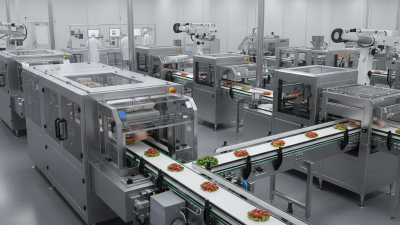
Food processing machines play a crucial role in our modern food industry. These machines help transform raw ingredients into products that are ready for consumption. They enhance efficiency, reduce labor, and ensure consistent quality. Various types of food processing machines include mixers, blenders, and packaging equipment.
Understanding how food processing machines work can highlight their significance. For example, mixers combine ingredients uniformly, while slicers ensure precise cutting. This precision is vital in maintaining the integrity and taste of food products. Observing the various processes can reveal flaws, emphasizing the importance of constant improvement and innovation in this field.
Yet, it's essential to reflect on their impact. Over-reliance on machines may lead to a loss of traditional food preparation skills. The balance between technology and craftsmanship is delicate. With advancements, we must consider sustainability and food safety as the next steps in the evolution of food processing machines.
What Are Food Processing Machines: An Overview of Their Functions
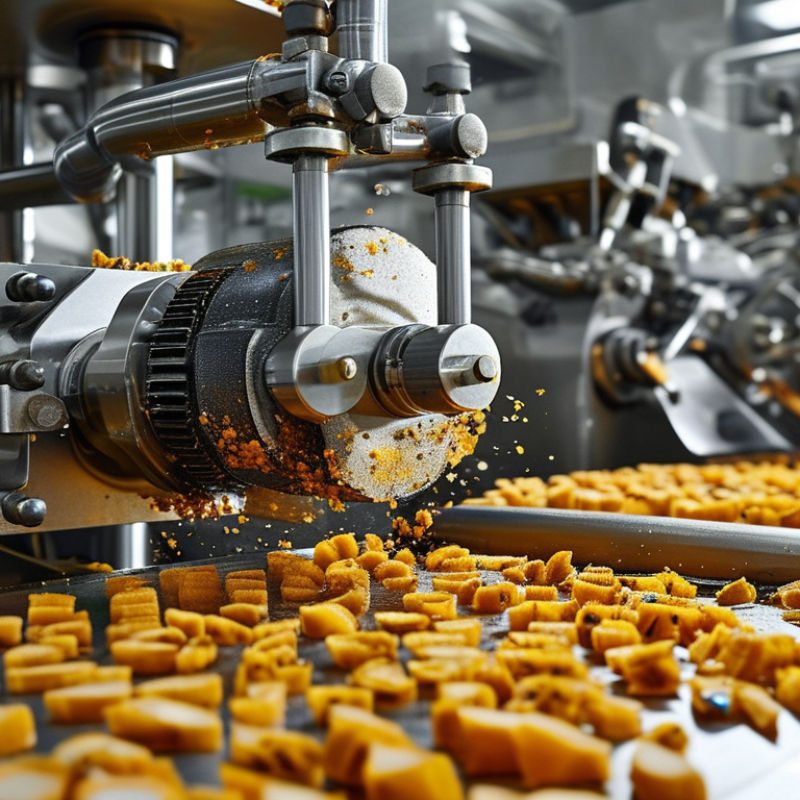
Food processing machines play a crucial role in modern food production. These machines are designed to enhance efficiency and improve the quality of food products. They include a wide range of equipment, such as grinders, mixers, and ovens. Each machine has a specific function that aids in transforming raw ingredients into ready-to-eat items.
For example, grinders break down solid ingredients into smaller pieces. This process allows for better flavor integration and even cooking. Mixers combine various elements, ensuring uniform consistency in batters or dough. Ovens regulate temperature and time, which is vital for proper cooking. However, with the convenience of these machines come challenges.
Many operators may overlook the maintenance of equipment, leading to suboptimal performance. Moreover, miscalculations in ingredient ratios can result in degraded product quality. Understanding the mechanics behind food processing machines can lead to better results. Continuous learning and adaptation are essential. Emphasizing best practices in using and caring for these machines ensures the food produced is of the highest standard.
The Role of Food Processing Machines in Modern Food Production
The role of food processing machines in modern food production cannot be overstated. According to a 2022 report by the Food Processing Association, around 70% of processed food relies on machinery for production. These machines ensure efficiency, consistency, and safety in food preparation. From slicing vegetables to vacuum sealing meat, the technology has advanced to meet high consumer demands.
However, the efficiency of these machines raises concerns. In a world striving for sustainability, food waste remains a pressing issue. A study published by the Global Food Loss and Waste Protocol noted that up to 30% of food produced globally is never consumed. While machines improve processing, they may contribute to this waste if not used properly. Innovative machines that monitor inventory and manage production schedules can help reduce this waste.
Furthermore, the reliance on technology can lead to skill gaps in the workforce. Workers may become less familiar with traditional food preparation methods as machinery takes over. It's essential for the industry to balance automation with skill-building to maintain culinary heritage. Finding this equilibrium will ensure food quality while embracing modern processing methods.
Types of Food Processing Machines: From Mixers to Packaging Equipment
Food processing machines play a vital role in transforming raw ingredients into consumable products. These machines vary widely, each designed for specific tasks. The types range from
mixers, which blend different components, to more complex machines like
packaging equipment that ensure freshness and safety.
Mixers are essential in many food processing operations. They combine ingredients uniformly, creating consistent textures and flavors. However, improper mixing can lead to uneven taste and quality issues.
Another crucial machine is the food cutter, which processes ingredients into desired shapes and sizes. An uneven cut can affect cooking times and overall dish presentation. Additionally,
packaging machines must maintain sterility, but they can sometimes overlook efficiency, leading to wasted resources.
Understanding these machines helps improve food production. Each type serves a purpose, allowing for customization of processes. However, frequent maintenance and quality checks are needed to ensure they function correctly. The effectiveness of food processing relies heavily on the integration of these machines in the production line.
It’s important to reflect on how these devices impact food quality and production efficiency.
How Food Processing Machines Enhance Food Safety and Quality Control
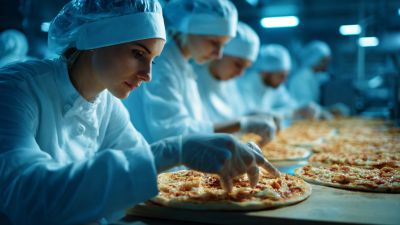
Food processing machines play a critical role in enhancing food safety and quality control. These machines help automate complex procedures such as sterilization, pasteurization, and packaging. A study by MarketsandMarkets indicates that the global food processing equipment market is expected to reach $105 billion by 2025, reflecting the growing demand for efficient and safe food handling.
Automation minimizes human error. For example, precise temperature control during pasteurization ensures microbial reduction, thus improving food safety. According to the USDA, proper processing can reduce foodborne illness by over 50%. However, some processing techniques can impact the nutritional value of food, leading to an ongoing debate within the industry.
Quality control measures include rigorous testing throughout the processing stages. Standardized protocols assess everything from ingredient purity to final product consistency. A report by the Food Processing Suppliers Association highlights that 60% of food recalls relate to contamination issues. Nonetheless, there are concerns about over-reliance on machines. Continuous monitoring is essential to ensure these systems do not compromise the quality of food products. Reliable data tracking helps maintain transparency and builds consumer trust.
What is Food Processing Machines and How Do They Work?
| Machine Type |
Function |
Benefits |
Safety Impact |
| Dicing Machine |
Cuts food into uniform cubes |
Enhances presentation, consistency |
Reduces contamination risk with uniform shapes |
| Pasteurizer |
Heats food to eliminate pathogens |
Extends shelf life, maintains quality |
Significantly enhances food safety |
| Vacuum Sealer |
Removes air from packaging |
Prevents freezer burn, preserves flavor |
Reduces oxidation and spoilage |
| Mixer |
Combines ingredients |
Ensures homogeneity in products |
Minimizes cross-contamination risks |
| Canning Machine |
Packs food into sealed cans |
Long-term preservation, convenient portions |
Protects against microbial growth |
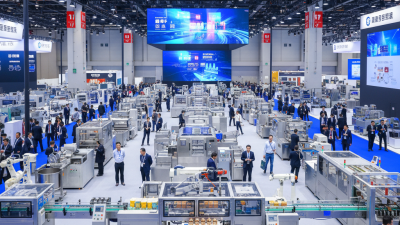
Innovations in Food Processing Technology: Trends and Market Data Insights
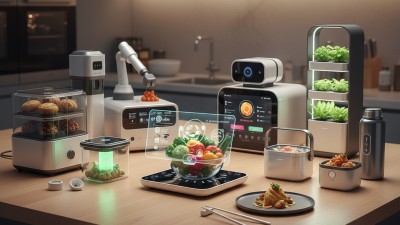
In recent years, the food processing industry has witnessed significant innovations. These advancements focus on improving efficiency and sustainability. For instance, technologies such as automation and AI optimize production lines. They help reduce waste and increase output.
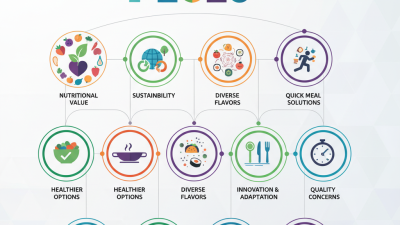
Data shows that the market is shifting towards healthier options. Consumers demand transparency in ingredients. Companies are responding by adopting clean-label practices. This shift requires machines that can handle diverse ingredients while maintaining quality. Innovative equipment designs enhance flexibility for producers, allowing them to meet changing market demands.
However, not all innovations are flawless. Some technologies may face implementation challenges. It's crucial for companies to invest in employee training. Skilled operators can effectively use advanced machines. This adjustment period can lead to initial setbacks. Yet, the long-term benefits often outweigh the short-term difficulties. The focus on continuous improvement is vital in navigating this evolving landscape.