Top 10 Food Solutions for Global Buyers?
Global buyers face a practical question: which food solutions can remain safe, affordable, and reliable across changing markets? This introduction explores ten options shaped by demand, logistics, nutrition, and responsible sourcing. It considers shelf life, ingredient transparency, packaging performance, and cold-chain requirements. A product may look excellent at the factory gate. It can still fail during a humid sea journey.
José Graziano da Silva, former Director-General of the Food and Agriculture Organization, stated, “A world that produces enough food can still have hunger.” His observation remains important for international procurement. Food solutions should not focus only on production volume. They should also support access, reduce avoidable waste, and fit local eating habits. Buyers need evidence, not impressive promises. Supplier audits, batch records, laboratory testing, and clear allergen controls can reveal that evidence.
The coming list examines solutions such as shelf-stable nutrition, plant-based ingredients, frozen produce, and smarter packaging. It also considers regional sourcing and efficient processing. Costs matter. So do water use, worker welfare, and dependable delivery schedules. No list is perfect. A solution suitable for a hotel chain may not suit a rural retailer. That limitation deserves attention. Global purchasing is rarely a simple search for the cheapest product. It is a careful balance between quality, compliance, resilience, and customer trust. Small details matter, including carton strength, label language, pallet dimensions, and the temperature recorded at arrival.
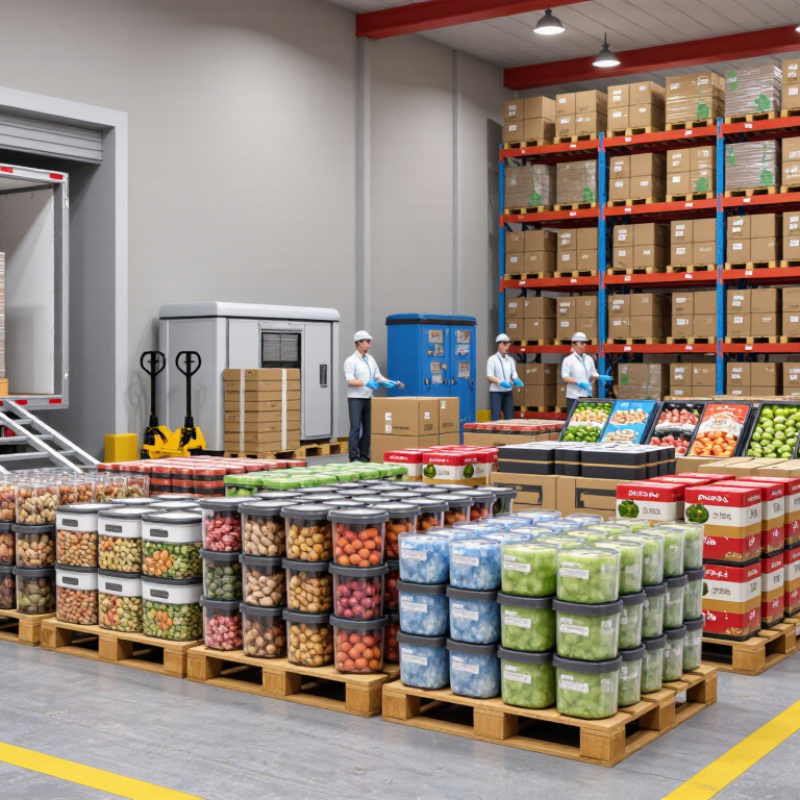
Understanding the Global Food Solutions Market
Top 10 Food Solutions for Global Buyers?
Understanding the Global Food Solutions Market
Global food buyers now evaluate more than price, taste, and delivery. They examine nutrition, shelf life, traceability, and climate exposure. The FAO reported that about 733 million people faced hunger in 2023, while 2.33 billion experienced moderate or severe food insecurity. This pressure increases demand for fortified foods, affordable proteins, hygienic processing, and reliable staple supplies. Practical solutions include cold-chain equipment, improved packaging, digital traceability, water-efficient ingredients, and safer preservation methods.
The OECD-FAO Agricultural Outlook 2024–2033 projects global agricultural and fish production to grow by 1.1% annually. Buyers therefore need suppliers that can scale without weakening quality controls. A warehouse inspection should check temperature records, allergen separation, moisture control, and batch documentation. Small details matter. A damaged carton can affect an entire shipment.
Food waste is another commercial concern. UNEP’s Food Waste Index Report 2024 estimates that households wasted over one billion meals daily in 2022. Better portion formats, intelligent packaging, by-product processing, and demand forecasting can reduce avoidable losses. However, technology is not automatically effective. Some digital systems remain expensive, poorly integrated, or difficult for smaller producers to maintain. Buyers should test solutions through limited shipments before making larger commitments. That step is often overlooked.
Evaluating the Top Food Solutions for International Buyers
Top 10 Food Solutions for Global Buyers?
Evaluating the Top Food Solutions for International Buyers
International buyers need more than attractive pricing when comparing food solutions. Shelf-stable meals, frozen vegetables, dehydrated ingredients, plant-based proteins, fortified staples, and ready-to-cook products each serve different markets. The strongest choice depends on climate, storage capacity, consumer habits, and import requirements.
Review the full supply chain before approving a product. Check ingredient declarations, allergen controls, nutrition data, production records, and traceability procedures. Packaging should survive humid ports, long transit times, and repeated handling. A product may look reliable in a warehouse but fail after exposure to heat. Cold-chain items require temperature logs, backup power, and trained receiving teams. Without these controls, quality can decline before customs clearance.
Cost comparisons also need practical detail. Include freight, duties, storage, insurance, testing, and possible product loss. A lower factory price can hide expensive handling needs. Request samples from different production lots, not just one shipment. Measure taste, texture, portion consistency, shelf life, and packaging damage. Small pilot orders are useful, although they may not reveal every seasonal problem. Buyers should also question vague sustainability claims and demand verifiable evidence. I have seen evaluations focus too heavily on certificates while overlooking delivery reliability. That mistake deserves attention. Human judgment still matters.
Top 10 Food Solutions for Global Buyers
Evaluating major food categories by global production volume to identify scalable international sourcing opportunities.
High-volume categories such as cereals, sugar crops, vegetables, dairy, fruits, and roots provide broad sourcing depth, while pulses, fish, and oilcrops support diversification, nutrition, and value-added food solutions. Figures are rounded global production volumes for 2022, based on FAOSTAT crop, livestock, fisheries, and aquaculture datasets.
Comparing Quality, Safety, and Regulatory Standards
Top 10 Food Solutions for Global Buyers?
Global food buying requires more than attractive samples. Strong solutions include
supplier qualification,
HACCP plans,
ISO 22000 systems,
lot traceability,
allergen controls,
pesticide testing,
cold-chain records,
shelf-life validation,
label reviews, and
recall drills.
These controls connect quality with safety and regulatory compliance.
The World Health Organization estimates that contaminated food causes
600 million illnesses and
420,000 deaths each year.
That figure makes documentation more than paperwork. It becomes a purchasing safeguard.
The FAO reported a
13.2% global food-loss rate
between harvest and retail in 2021. Buyers should therefore examine
temperature logs, packaging damage, and storage delays.
Codex guidance offers a useful international baseline, but destination-country rules still decide legal acceptance.
Tips:
Request recent test reports, audit findings, and corrective-action records. Check whether results match the exact lot. A certificate alone proves little. A clean document can still hide a wet carton, a broken seal, or an unclear label.
The UNEP Food Waste Index Report 2024 estimated
1.05 billion tonnes of food waste
in 2022. Better forecasting and smaller trial shipments can reduce both waste and compliance risk.
No checklist is perfect. Buyers should review it after every shipment and question repeated
minor
failures.
Assessing Supply Chain, Pricing, and Scalability
Top 10 Food Solutions for Global Buyers?
Assessing Supply Chain, Pricing, and Scalability
Global buyers need more than low quotations. They need dependable food solutions that survive port delays, harvest shocks, and currency changes. Practical options include grains, pulses, rice, cooking oils, frozen vegetables, canned foods, dried fruit, spices, plant-based proteins, and fortified staples. These categories offer different storage lives and sourcing risks. FAO’s Food Outlook, published in November 2024, estimated global cereal production near 2.85 billion tonnes for 2024/25. That volume supports scale, but weather remains a serious weakness. A full warehouse is not always a secure supply.
Pricing requires a wider view. The World Bank’s Commodity Markets Outlook from October 2024 projected softer food prices in 2025, yet warned that geopolitical and climate risks could quickly change the picture. Buyers should compare landed cost, not only supplier price. Include freight, insurance, duties, testing, storage, and expected waste. A cheaper shipment can become expensive after ten days at a congested port. I have seen procurement plans fail because demand forecasts looked too perfect. Reality is less tidy.
Tips: Request two harvest-season quotations. Check supplier audit records and batch traceability. Test a small shipment before scaling. Use dual sourcing for critical items. Set clear moisture, weight, packaging, and delivery tolerances. For scalability, choose products with stable specifications and flexible pack sizes. Keep safety stock, but review it monthly; excess inventory can quietly damage margins.
Selecting the Best Food Solution for Global Distribution
Top 10 Food Solutions for Global Buyers?
Selecting the Best Food Solution for Global Distribution
Global buyers need more than attractive packaging. They need food solutions that survive long routes, varied climates, and changing demand. The strongest options include
shelf-stable grains,
canned legumes,
frozen vegetables,
retort meals,
dehydrated ingredients,
sauces,
snack products,
beverage bases,
bakery mixes, and
carefully formulated functional foods. Each category offers different storage, handling, and compliance advantages.
In procurement reviews, I examine moisture control, shelf life, package strength, ingredient transparency, and temperature requirements. A dehydrated ingredient may reduce freight costs, while frozen produce can preserve texture better. Retort products often simplify storage, but their packaging needs strict quality checks. Small details matter. A crushed carton can delay an entire shipment.
Country-specific labeling rules must guide the final selection. Buyers should verify allergens, nutrition panels, language requirements, permitted additives, and documentation before placing large orders. Supplier audits, batch testing, traceability records, and realistic delivery trials strengthen confidence. I also recommend testing products in the destination market, not only in a controlled warehouse. Consumer preferences can surprise even experienced teams. No solution is perfect. A product with a long shelf life may still fail if its taste, portion size, or preparation method feels unfamiliar. Reliable distribution comes from balancing safety, practicality, cost, and local acceptance.