What Are the Top Food Tech Expos in 2026?
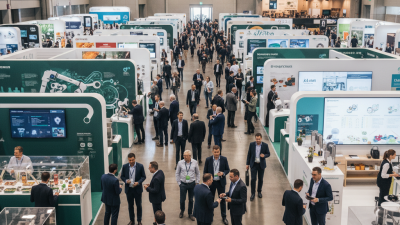
The food technology calendar in 2026 will bring together ingredient innovators, equipment makers, researchers, and food brands. A strong food tech expo offers more than polished product displays. It lets visitors inspect pilot-scale processing lines, compare packaging materials, and ask suppliers how a solution performs beyond a demonstration. Small details matter. A sensor’s maintenance needs, for example, can be as important as its headline accuracy.
This guide considers leading expos through practical criteria: relevance to food manufacturing, technical programming, exhibitor range, and opportunities for useful business conversations. It distinguishes broad industry shows from specialist events focused on ingredients, processing, packaging, or restaurant technology. No single ranking fits every visitor. A startup seeking a contract manufacturer has different priorities from a plant engineer evaluating automation. Costs count. That judgment is imperfect, and event programs can change. Check each organizer’s published dates, exhibitor lists, and session details before booking travel.
The most valuable visit usually starts with a clear question. Can a new ingredient maintain texture in a familiar recipe? Will an automated inspection system work in a humid production room? Are sustainability claims supported by measurable data? Answers may depend on a product, facility, or production scale. Use demonstrations as starting points, then verify performance claims with technical documents and follow-up discussions. A little skepticism helps. This overview is designed to help readers compare events and decide which conversations are worth prioritizing.
What Defines a Food Technology Expo in 2026?
What Defines a Food Technology Expo in 2026?
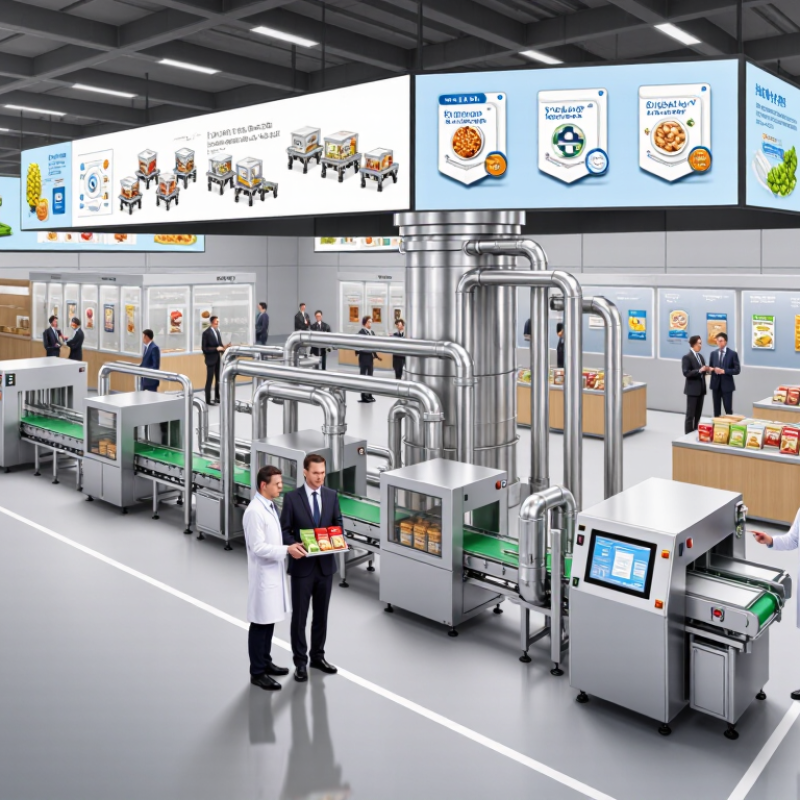
A food technology expo is more than a hall of polished machinery. It brings together equipment, ingredients, data tools, and practical trials that address real production problems. Visitors should be able to see a sensor track temperature through a sample cold chain, or watch a compact line portion and package food. Useful exhibits explain what was measured, under which conditions, and where the method may fail. Proof matters.
The need is tangible. The Food and Agriculture Organization estimates that 13.2% of food was lost after harvest and before retail in 2021. That figure makes storage, processing, and logistics technologies central expo topics, not side attractions.
AgFunder’s 2024 AgriFoodTech Investment Report recorded $15.6 billion in global agrifood technology investment in 2023, down 49% from 2022.
A tighter funding climate raises the value of demonstrations that show operating costs and measurable results, not just promising prototypes.
A credible 2026 expo should connect researchers, manufacturers, growers, and buyers around testable solutions. Look for clear performance data on energy use, yield, shelf life, and traceability, alongside candid discussion of maintenance and scale-up.
The category is still messy. A smart dashboard may look impressive, yet add little if workers cannot use it during a busy shift. The best events leave room for those awkward questions.
How Leading Food Tech Expos Are Selected and Compared
A useful comparison of 2026 food technology expos starts with the needs of the visitor, not the size of the show.
A founder seeking pilot partners needs different evidence from a food scientist tracking new processing methods. Look for clear exhibitor categories, practical demonstrations, and sessions led by people with relevant technical experience. That matters.
Then examine how claims are supported. Do speakers share test conditions, production constraints, or only promising projections? Strong programs distinguish working systems from early concepts. Ask whether demonstrations show real equipment, sample workflows, or simply polished presentations. Not everything scales.
A fair comparison also weighs attendee access, session depth, travel demands, and the time needed to meet useful contacts. Public schedules and exhibitor lists can help, but they may change before the event. Verify dates, program details, and participation options directly with organizers. No scorecard is neutral; weighting “innovation” heavily can obscure practical value. I would record each expo’s strengths, gaps, and evidence source, then revisit the scores as details become available. A tidy ranking can look more certain than the information deserves.
Major Food Tech Expos to Watch Across Global Markets
In 2026, food technology expos across global markets will help visitors compare practical tools, not just polished presentations. Look for events featuring processing equipment, packaging, cold-chain systems, ingredient innovation, and food safety technology. A close look matters: a compact filling line or a sensor demo can reveal more than a crowded display wall. Ask how equipment performs during cleaning, changeovers, and peak production.
Europe’s trade fairs often emphasize automation, resource efficiency, and traceable production. Events across Asia can offer insight into fast-changing consumer needs and high-volume manufacturing. North American expos commonly connect processors with packaging, logistics, and retail-facing technology. In the Middle East, investment in food security and supply resilience shapes many discussions, while Latin American gatherings can highlight regional agriculture and processing needs. These are broad patterns, not guarantees. A regional shortlist is imperfect.
For buyers, the strongest visit plan starts with a problem to solve, such as reducing product loss or improving temperature monitoring. Bring sample specifications and ask for performance data under realistic operating conditions. A smooth demonstration is useful, but it is not a factory trial. Not always. Check each event’s dates, exhibitor list, and technical program directly with its organizers; schedules and participation can change. Take notes on installation needs and service access, too. Those details are easy to overlook under bright lights.
Key Technologies and Industry Sectors Featured at These Events
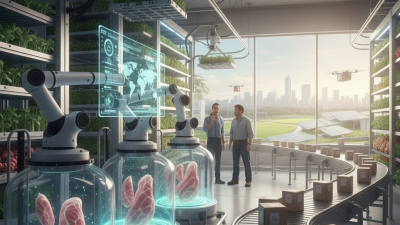
At leading food-tech expos in 2026, the most useful displays will connect machinery to measurable production problems. Expect machine-vision sorting, near-infrared sensors, robotic picking, and digital tools that track temperature from processing rooms to refrigerated trucks. On a demonstration line, a camera may reject bruised fruit in milliseconds; a sensor may flag a cold-room door left open. Small details matter.
Food-loss reduction will be a major theme. FAO’s 2023 report estimated that 13.2% of food was lost after harvest and before retail, using 2021 data. That figure helps explain the focus on smarter storage, shelf-life monitoring, and packaging that signals product condition. UNEP’s Food Waste Index Report 2024 estimated that 1.05 billion tonnes of food were wasted in 2022. The numbers are broad, but they point to practical expo priorities.
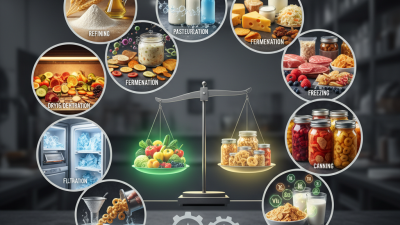
Visitors should also look for precision fermentation, plant-based formulation, water-efficient processing, and energy monitoring. These technologies serve manufacturers, ingredient suppliers, packaging teams, cold-chain operators, and food-service kitchens. Pilot equipment can reveal cleaning time, yield, and operator workload—not just headline performance. The demos can look cleaner than factory reality. Ask how results hold up across a full shift, with variable ingredients and routine maintenance.
How to Choose the Right Expo for Your Professional Goals
What Are the Top Food Tech Expos in 2026?
How to Choose the Right Expo for Your Professional Goals
The right expo is the one that helps solve a current business problem. For process improvements, look for equipment demonstrations and technical sessions. For product development, prioritize ingredient, formulation, and packaging showcases. The need is tangible: FAO’s 2023 State of Food and Agriculture estimated that 13.2% of food was lost after harvest and before retail. UNEP’s Food Waste Index Report 2024 estimated 1.05 billion tonnes of food waste in 2022 across households, food service, and retail. These reports point to real challenges, but they cannot tell you which event fits your role.
Tips: Write down one goal before comparing event programs. Check the attendee profile, session topics, and exhibitor categories. Ask whether you need supplier conversations, technical learning, or market insight. Set a few meetings in advance, then leave time for demonstrations.
No scoring sheet is perfect. Event descriptions can make every show sound essential, so verify details against your own priorities. A small team seeking packaging expertise may gain more from focused technical sessions than a sprawling show. A buyer exploring automation may value hands-on equipment displays and access to engineers. Compare travel cost, time away, and the quality of likely contacts. If possible, review the program and exhibitor list before booking. A useful expo should offer practical next steps, not just a crowded floor.