How to Choose the Best Pet Food Processing Equipment?
Choosing the right equipment for pet food processing is crucial for success in the industry. Expert Jane Smith, a leading figure in pet nutrition technology, once stated, "Quality equipment ensures the safety and nutrition of the food we produce for pets." This highlights the impact of equipment selection on food quality and pet health.
The pet food processing sector is evolving rapidly. With advancements in technology, manufacturers must stay informed about their options. Selecting suitable machinery is not just about efficiency; it directly affects the end product. Equipment choices influence texture, moisture, and nutrient retention. Each factor plays a vital role in delivering high-quality pet food.
Mistakes in choosing processing equipment can lead to significant losses. Undersized machines may slow production. Outdated technology may compromise food safety. Evaluating your equipment needs is essential. Consider the specific requirements of your pet food formulations. Balancing cost and quality is challenging but necessary for long-term success.
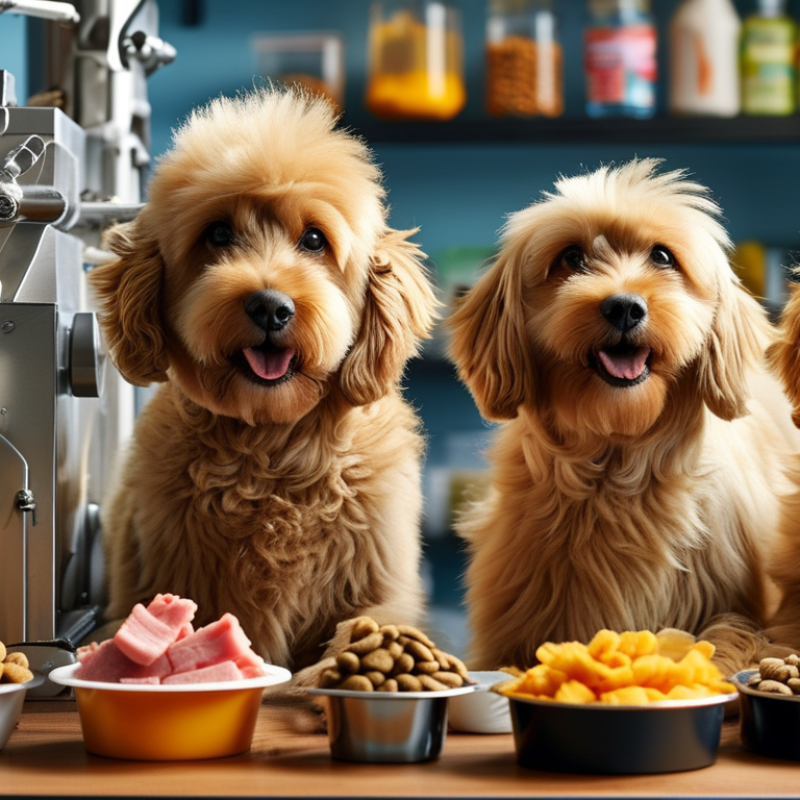
Understanding the Different Types of Pet Food Processing Equipment
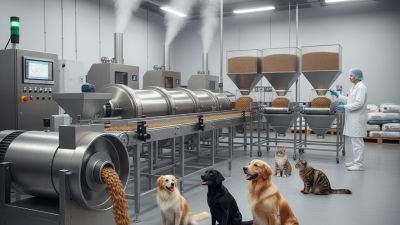
When selecting pet food processing equipment, it's vital to understand the various options available. The most common types include mixers, extruders, dryers, and packaging machines. Each type plays a unique role in ensuring the final product meets market standards. According to industry reports, the global pet food processing market is projected to reach $10.2 billion by 2026, highlighting the need for efficient equipment.
Mixers are essential for creating a uniform blend of ingredients. They can vary in size and type. For instance, paddle mixers are popular for dry pet food, while ribbon mixers suit wet formulas. Extruders are often used to shape pet food and cook it simultaneously. They can produce various textures and shapes, appealing to pet owners' preferences. Reports indicate that about 60% of consumers prioritize texture when choosing pet food, making the quality of extruders important.
Dryers ensure that moisture content meets safety standards. Proper drying can prevent mold growth and extend shelf life. It's also crucial to choose the right packaging equipment. This step protects the integrity of the food and appeals to buyers. Inadequate packaging can lead to product spoilage, affecting brand reputation. Many manufacturers struggle with this balance, demonstrating the need for more efficient systems.
How to Choose the Best Pet Food Processing Equipment?
| Equipment Type |
Primary Function |
Advantages |
Considerations |
| Extruders |
Cooking and shaping pet food |
High efficiency, versatile shapes |
Initial investment cost |
| Mixers |
Blending ingredients |
Uniform mixing, time-saving |
Requires regular cleaning |
| Dryers |
Removing moisture from the food |
Extended shelf life |
Energy consumption |
| Packagers |
Packaging finished product |
Automated processes, efficiency |
Maintenance and repair costs |
| Cutter/Grinder |
Processing raw ingredients |
Customizable sizes |
Requires skilled operation |
Assessing Production Capacity and Scalability of Equipment
Choosing the right pet food processing equipment involves careful consideration of production capacity and scalability. Understanding your current needs is essential, but you should also plan for future growth. Evaluate how much output your facility requires today. Analyze if this equipment can adapt to a growing demand. Equipment designed with scalability in mind often includes adjustable settings and modular components. This flexibility can save costs in the long term.
It's important to consider not only your immediate capacity but also potential expansions. Assess how your production might change with market trends. For example, if new pet food types emerge, can your current equipment handle the shift? Engaging with industry experts can help clarify these uncertainties. Reach out and gather insights on capacity planning from those who have faced similar challenges. They may highlight aspects of equipment that you might overlook, such as maintenance needs or energy efficiency.
Prioritize the equipment’s ability to integrate with existing systems. This can prevent unnecessary downtime during transitions. Reflect on your operations regularly. Do not rush into decisions without reviewing your production goals. A well-thought-out choice ensures your investment will serve you well, both now and in the future.
Evaluating Material Quality and Safety Standards in Manufacturing
When selecting pet food processing equipment, the evaluation of material quality and safety standards is crucial. The industry often reports that over 60% of pet food recalls are due to contamination issues. This highlights the importance of ensuring that materials used in manufacturing processes meet stringent safety regulations. Equipment made from stainless steel and food-grade materials is recommended due to its durability and resistance to contamination.
Evaluating safety standards goes beyond material choice. According to a 2022 report from the American Pet Products Association, nearly 70% of pet owners prioritize safety when choosing food for their pets. Machinery should comply with FDA standards and exhibit certifications from recognized safety organizations. While this may enhance initial costs, it ultimately protects both consumer health and brand reputation.
However, not all manufacturers prioritize these aspects. Some equipment may lack detailed safety certifications. This creates a risk for both producers and pet owners. Equipment should not only perform efficiently but also align with health standards to ensure quality output. Regular audits and reviews of the material sources can further mitigate risks. Striving for improved standards should be an ongoing commitment in the industry.
Cost Considerations: Budgeting for Pet Food Processing Equipment
Budgeting for pet food processing equipment involves several key factors. Understanding your production capacity is essential. This determines the type and scale of equipment needed. A small operation might only require basic machines, while larger facilities need more advanced setups. Drafting a detailed budget helps allocate funds effectively for machinery, maintenance, and potential repairs.
Another major consideration is the efficiency of the equipment. Investing in machines with energy-efficient designs can lead to long-term savings. While initial costs may be higher, the reduction in operating costs adds up over time. Consider the lifespan of the equipment. Some machines may be cheaper upfront but can lead to expensive replacements down the line.
Lastly, don't forget about ongoing operational costs. Training staff to use the equipment effectively is crucial. Underestimating these expenses can strain your budget. It’s also wise to keep a reserve fund for unexpected costs or technological upgrades. Careful financial planning ensures that your investment in pet food processing equipment supports both quality output and business growth.
Maintenance and Support: Ensuring Long-Term Equipment Performance
When choosing pet food processing equipment, maintenance and support become crucial. Proper maintenance ensures that machines run smoothly and efficiently. Regular inspections help identify wear and tear, allowing for timely repairs. This proactive approach can extend the lifespan of your equipment significantly.
Support from experienced technicians can add value to your operations. Having access to knowledgeable professionals means you can address issues quickly. This reduces downtime and maintains productivity. Investing in training for your staff is also critical. Skilled operators will recognize potential problems before they escalate, ensuring consistent performance.
It’s essential to consider the availability of spare parts. If replacements are difficult to find, your operations may suffer. Establish a relationship with reliable suppliers who can provide necessary components. Reflecting on these factors can lead you to make better choices for long-term success. Assess your needs frequently and remain adaptable to changes in technology and market demands.
Pet Food Processing Equipment: Maintenance and Support