Top 10 Pet Food Processing Techniques You Should Know?
In the ever-evolving world of pet food processing, techniques play a crucial role in ensuring the quality and safety of products. Industry expert Dr. Emily Johnson, a recognized authority in pet nutrition, once stated, "Efficient processing methods can significantly enhance both nutrition and palatability." Her insights underline the importance of mastering the art of pet food processing.
The landscape of pet food production is complex. Techniques vary from extrusion to freeze-drying, each with its own benefits. For instance, extrusion retains essential nutrients while improving texture and flavor. Freeze-drying, however, preserves the food's original state, appealing to health-conscious pet owners. Understanding these methods is vital for manufacturers striving for excellence.
However, as advancements are made, challenges remain. Not all brands utilize these techniques effectively, which can lead to inconsistencies in quality. Consumers must be discerning, as not every product on the shelf meets high standards. It’s essential to reflect on both the processes and the products, ensuring pets receive the safest and most nutritious food.
Understanding the Importance of Pet Food Processing Techniques
Understanding the Importance of Pet Food Processing Techniques
Pet food processing plays a critical role in ensuring the quality and safety of the food we feed our beloved pets. Techniques like extrusion and canning help retain the nutrients and flavors that pets crave. Moreover, these methods reduce harmful bacteria, making meals safer for consumption. Every step in the process adds value, from raw ingredient selection to the final packaging.
Many pet owners overlook the significance of processing techniques. They assume that all pet foods are created equally. However, this is far from the truth. Understanding these methods can help you make informed choices about what you feed your pets. Remember, the nutritional profile of the food is often determined during processing. A simple change in method can impact texture and taste significantly.
When examining pet food options, consider these tips. Look for products that specify their processing methods. Investigate whether they use natural preservatives or rely on chemicals. Check if the ingredients are sourced responsibly. Pay attention to animal protein sources and added supplements. The right processing technique can enhance digestibility, ensuring your pet gets the most from their meals.
Common Ingredients Used in Pet Food Manufacturing
When discussing common ingredients in pet food manufacturing, it's essential to recognize the diversity of components used to create balanced diets. A recent study by the Association of American Feed Control Officials (AAFCO) highlights that about 90% of pet food formulations include protein sources such as chicken, beef, or fish. These proteins are vital for the growth and maintenance of pets, contributing to muscle development and overall health.
Carbohydrates are another critical element. Ingredients like corn, rice, and sweet potatoes serve as energy sources. According to the Pet Food Institute, these ingredients account for approximately 30% of the total formulation in many popular pet foods. However, the reliance on grains has raised questions about digestibility and potential allergens, making some pet owners rethink their choices.
Furthermore, fats and oils play a crucial role in enhancing flavor and providing essential fatty acids. Common fats include chicken fat and fish oil, which contribute not only to palatability but also support skin and coat health. Nevertheless, the sourcing of these fats often raises concerns about quality and sustainability. Addressing these issues and seeking transparency can improve the overall quality of pet food, leading to better health outcomes for our furry companions.
Top 10 Common Ingredients Used in Pet Food Manufacturing
Exploring Extrusion: The Most Popular Pet Food Processing Method
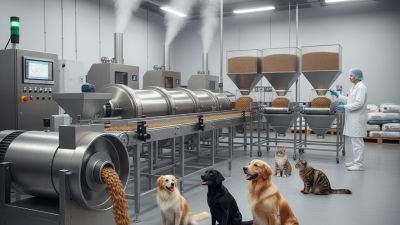
Extrusion stands out as a critical technique in pet food processing. This method combines ingredients under high temperature and pressure. The result is a consistently shaped and textured product. The processing allows for enhanced digestibility and nutrient absorption in pets. This makes it a preferred choice for many manufacturers.
During extrusion, raw materials are fed into a machine where they are cooked and shaped in one continuous process. It’s efficient and can produce various shapes, such as kibbles or snacks. However, this method is not without its challenges. Over-processing can lead to nutrient loss and affect the flavor. Care must be taken to balance temperature and time to maintain quality.
The uniformity of the extruded product is also a double-edged sword. While consistency is vital for consumer confidence, it may remove the diversity found in natural diets. Some pets may require specific textures or flavors. As the industry evolves, these factors need continuous evaluation to ensure pets receive balanced nutrition while enjoying their food.
Understanding Dehydration and Its Role in Pet Food Production
Dehydration is a crucial technique in pet food production. This method removes moisture from ingredients, enhancing shelf life and nutrient retention. Research from the Pet Food Institute shows that dehydrated foods retain up to 90% of their original nutrients. By reducing the water content, manufacturers also inhibit bacterial growth, improving food safety.
The dehydrated pet food market is growing rapidly. In 2022, it was valued at approximately $2 billion, with expectations to reach $3 billion by 2028. Consumers favor this method for its convenience and perceived health benefits. However, not all dehydration processes are equal. Some techniques may compromise flavor or texture, which pet owners often overlook. Proper control of temperature and drying time is essential to avoid nutrient degradation during dehydration.
When considering the impact of dehydration, it’s essential to reflect on ingredient sourcing. Not all ingredients are equally suitable for dehydration. Some may lose critical nutrients in the process. Validating ingredient quality and processing methods is vital. Understanding these nuances ensures that pet owners provide high-quality nutrition to their pets, while also considering the potential downsides of dehydration.
The Impact of Freeze-Drying on Nutrient Retention in Pet Food
Freeze-drying is a revolutionary pet food processing technique. This method removes moisture without cooking the ingredients. As a result, it retains more nutrients than traditional methods. Essential vitamins and minerals stay intact. Pet owners are increasingly considering this method for preserving quality.
The freeze-drying process involves rapidly freezing the food. After freezing, a vacuum is created. This allows ice to turn directly into vapor. It’s a careful balance. If done improperly, texture and flavor can be compromised. However, when executed well, freeze-dried food remains highly palatable. Pets enjoy the taste, making it easier for owners to manage their diets.
Nutrient retention is a major factor for pet health. Freeze-drying helps keep enzymes and proteins intact. However, not all nutrients survive the process. It’s essential to do your research. Understand any potential gaps in nutrition. Overall, freeze-drying can be a beneficial choice. Expertise matters when selecting food sources for your pet.