China Top 10 Convenience Food Suppliers for Global Buyers?

Convenience food has become a practical choice for shoppers seeking quick meals, predictable portions, and longer-lasting pantry options. In the United States, the International Food Information Council’s 2024 Food & Health Survey questioned 3,000 adults. It found that convenience influenced food purchasing for 57% of respondents. That figure reflects one market, not every country. Still, it shows why global buyers examine more than price.

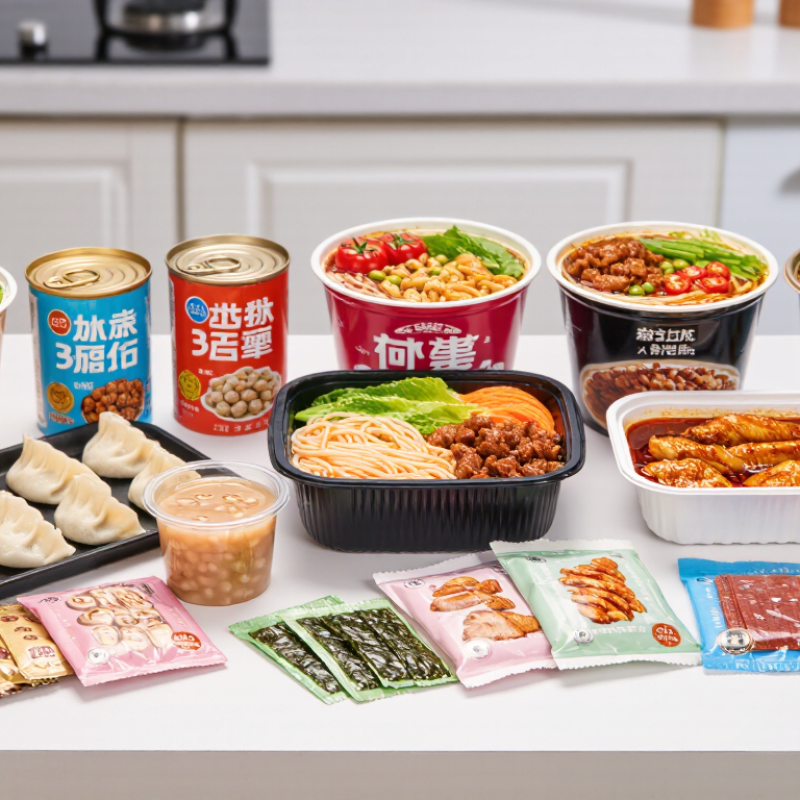
China’s suppliers offer a broad mix, from instant noodles and frozen dumplings to canned meals, sauces, and ready-to-heat rice. The category is not one-size-fits-all. A buyer sourcing private-label soup needs different production capabilities from one ordering individually wrapped snacks. Product specifications, minimum order quantities, ingredient traceability, packaging options, and export experience all deserve close review.

Details matter. This guide introduces ten Chinese convenience food suppliers for global buyers and considers what each may offer. It is designed as a starting point, not an endorsement. Supplier websites and trade listings can help identify candidates, but claims should be checked against current product documents, factory records, and independent audits where appropriate. A polished brochure is not proof of consistent production. Buyers should also confirm destination-market labeling, shelf-life requirements, and shipping conditions before placing orders. Those checks take time. They can prevent costly surprises. No ranking can replace direct conversations and sample testing; even a carefully researched shortlist may miss important differences in capacity or quality control.
China Top 10 Convenience Food Suppliers for Global Buyers?

What Convenience Foods Are and Why Global Buyers Source Them from China

Convenience foods are products designed to reduce preparation time without removing every step from the meal. They include instant noodles, retort-pouch dishes, frozen dumplings, canned ingredients, and portioned snacks. Some need only hot water; others require reheating or careful thawing. Clear preparation instructions matter.

Global buyers source these foods from China for its broad manufacturing base and varied processing capabilities. Suppliers may offer different recipes, pack sizes, and formats, from single-serve cups to family-sized frozen packs. Established transport routes can also support shipments to many markets. That helps, but it is not a guarantee of quality. Ingredient availability and production practices vary between factories.

Buyers should check product specifications, ingredient lists, allergen controls, packaging integrity, and storage requirements before placing large orders. Ask for representative samples and confirm that the final product matches the approved recipe and texture. A sample is only a beginning, not proof. A soup pouch may survive a kitchen test yet need stronger seals for long-distance handling. Documentation and independent quality checks help close that gap. A low price can look attractive, but consistency, shelf life, and dependable communication often matter more over time.


Shelf stability is one reason global buyers source convenience foods: longer-lasting formats can simplify storage, shipping and inventory planning. Values shown are representative planning estimates, not guarantees; actual shelf life depends on the product, packaging, processing and storage conditions. Always confirm the manufacturer’s date marking and specifications.

How China’s Convenience Food Supply Chain Serves International Markets

China’s convenience-food supply chain combines ingredient sourcing, processing, packaging, and export logistics. Buyers can source shelf-stable meals, frozen snacks, instant dishes, and portion-controlled foods through specialized manufacturers. The China Federation of Logistics & Purchasing reported that China’s cold-chain logistics market reached 517.1 billion yuan in 2023, up 5.2% year on year. This figure covers the wider cold-chain sector, not convenience-food exports alone. Still, it signals expanding infrastructure for temperature-sensitive products. In practice, buyers should check whether a supplier’s storage capacity matches the product’s required temperature, not just its advertised production volume.

Reliable delivery takes more than factory capacity. UNCTAD’s Review of Maritime Transport 2024 reported that global maritime trade grew 2.4% in 2023, while noting ongoing route and cost uncertainty. For overseas buyers, that makes carton strength, shelf-life testing, and shipment scheduling commercially important. Ask for ingredient specifications, batch traceability records, and test results relevant to the destination market. Check how the supplier handles delays and temperature excursions. Small details matter. A product may pass a factory inspection yet lose quality during transit. That remains a weak spot, especially when buyers rely on one shipment plan or treat documentation as an afterthought.

Which Ten Chinese Suppliers Are Notable to Global Convenience Food Buyers

Global buyers can assess ten Chinese convenience-food supplier profiles: instant-noodle makers, frozen-dumpling producers, ready-meal factories, rice-meal processors, soup manufacturers, bakery suppliers, snack makers, chilled-food processors, plant-based meal producers, and private-label contract manufacturers. These are categories, not endorsements of particular companies. The World Instant Noodles Association’s 2023 demand table reports 42.21 billion servings for China and Hong Kong. That scale signals deep production experience, but it does not guarantee export readiness. Demand is only part of the picture.

For a real shortlist, request recent audit records, ingredient specifications, allergen controls, shelf-life studies, and export-market documentation. Ask for samples in the intended packaging, then compare texture after reheating—not just at the factory tasting table. Check whether production lines can handle your order size and seasonal peaks. Look closely at temperature control for chilled and frozen products. Small details matter. A clear answer about batch traceability is more useful than a polished catalogue. Suppliers may differ sharply in documentation quality, and this screen is imperfect. Buyers should verify claims through independent audits and trial shipments before committing.

How to Compare Suppliers by Products, Certifications, and Export Capacity

When comparing China’s convenience food suppliers, look beyond product lists. Check whether a supplier makes instant meals, canned dishes, frozen snacks, or shelf-stable items, and ask for ingredient specifications and packaging options. A sample carton can reveal practical details: portion size, seal quality, cooking time, and how clearly storage instructions are printed. Details matter.

Certifications should match the product and the facility handling it. Request current documents, then confirm their issuing body, validity dates, covered product categories, and site address. Ask how the supplier tracks batches and handles complaints. A certificate alone cannot show how consistently a production line operates. If possible, review a recent audit summary or arrange a third-party factory inspection.

Export capacity is more than a large monthly output figure. Compare minimum order quantities, production lead times, temperature-control arrangements where relevant, and experience preparing export documents. Ask for a realistic shipment schedule and references from comparable markets. Verify figures against trial orders. A spreadsheet helps, but it can create false confidence. I would also test communication during a small order; slow answers about labels or carton dimensions may hint at future delays. A strong comparison weighs product fit, verified controls, and dependable shipping together.

China Top 10 Convenience Food Suppliers for Global Buyers? – How to Compare Suppliers by Products, Certifications, and Export Capacity

Buyer comparison guide by product segment. These are not named or ranked companies; certifications and export capabilities must be confirmed for each facility and shipment.

# Supplier product segment Typical convenience-food products Certifications and compliance to check Export-capacity indicators Key buyer questions
1 Instant noodles Fried or non-fried noodle cups, bowls, and packets with seasoning sachets. Check the facility’s food-safety system, such as HACCP-based controls, ISO 22000, or a GFSI-recognized certification. Verify allergen declarations and destination-market label rules. Review production capacity by format, seasoning-sachet capability, shelf-life data, export packaging, and documented shipments to the target market. Can the supplier support your required noodle type, cooking instructions, language-specific artwork, and product testing?
2 Frozen dumplings and buns Frozen dumplings, steamed buns, and other filled or unfilled dough products. Check food-safety certification, cold-chain controls, allergen management, and applicable animal-origin import requirements. Market access can depend on product ingredients and destination rules. Assess freezing capacity, cold-storage space, temperature-monitoring records, reefer-container experience, and delivery temperature requirements. Can the supplier maintain the specified temperature throughout storage and transport, and provide traceability for ingredients?
3 Frozen prepared meals Ready-to-heat rice, noodle, and mixed-dish meals supplied frozen. Check facility food-safety controls, product-specific hazard analysis, ingredient and allergen records, and destination-market requirements for each recipe. Compare meal-line output, freezing method, pack formats, cold-chain records, and ability to provide validated shelf-life and reheating instructions. Are recipes, portion sizes, packaging, and reheating directions suitable for the intended market and channel?
4 Canned foods Canned vegetables, legumes, soups, sauces, and prepared dishes. Check scheduled thermal processing and process records for low-acid canned foods, where applicable, plus food-safety certification and destination-specific canning rules. Review retort or other validated processing capacity, can sizes, lot traceability, packaging integrity tests, and export shipment history. Can the supplier provide process documentation, pack-integrity results, ingredient specifications, and a shelf-life basis?
5 Retort pouch meals Shelf-stable rice, curry, porridge, and other heat-treated meals in flexible pouches. Check validated thermal processing, food-contact packaging compliance for the destination, food-safety controls, and traceable production records. Check retort capacity, pouch specifications, seal-integrity testing, production lead times, and evidence supporting declared shelf life. Are pouch materials and processing documentation acceptable in the destination market, and can the supplier meet your packaging specification?
6 Instant porridge and cereal products Instant rice porridge, grain mixes, and quick-preparation cereal cups or sachets. Check food-safety certification, ingredient and allergen controls, nutrition information, and any applicable rules for added vitamins or minerals. Assess drying or processing capability, moisture-control specifications, packaging barrier properties, and batch-to-batch consistency. Can the supplier document moisture, preparation performance, nutritional values, and packaging suitability for the required shelf life?
7 Ready-to-eat packaged snacks Packaged savory snacks, crackers, and other ambient snack products. Check facility food-safety controls, allergen declarations, additive compliance, and destination-market nutrition and labeling rules. Review packaging-line capacity, product protection during transit, carton configuration, and the supplier’s ability to provide consistent export documentation. Are ingredients, claims, pack sizes, and artwork compliant with the rules of the country where the product will be sold?
8 Sauces and instant meal kits Cooking sauces, soup bases, seasoning kits, and meal accompaniments. Check food-safety certification, ingredient and allergen controls, additive compliance, and destination-specific requirements for the product’s composition. Compare filling formats, recipe customization, packaging compatibility, batch traceability, and capacity for multiple pack sizes. Can the supplier provide full ingredient specifications, allergen cross-contact controls, and consistent flavor and viscosity records?
9 Bakery and shelf-stable pastry products Packaged cakes, buns, pastries, and other ready-to-eat bakery items. Check food-safety controls, allergen management, ingredient specifications, and destination-market labeling and additive requirements. Evaluate packaging for freshness protection, shelf-life evidence, production scheduling, and damage rates in export cartons. How is shelf life established, and will the product remain in specification under the expected shipping and storage conditions?
10 Dehydrated soups and instant mixes Dried soup mixes, instant broth, and add-hot-water meal components. Check food-safety certification, ingredient and allergen controls, contaminant testing plans, and destination-market labeling requirements. Assess drying and blending capabilities, moisture specifications, sachet or bulk-pack options, and lot-level quality documentation. Can the supplier provide preparation tests, ingredient traceability, and documented controls for moisture and product consistency?

Note: HACCP, ISO 22000, FSSC 22000, and other certification schemes are not interchangeable guarantees and may not be required for every product or market. Request current certificates, confirm their scope and issuing body, and verify import, labeling, and facility-approval requirements with the relevant destination-market authority before ordering.

What Global Buyers Should Check Before Choosing a Chinese Supplier

A supplier’s product catalog is only a starting point. Global buyers should ask for current specifications, ingredient lists, allergen controls, and test reports for each product. Check whether documents match the exact item and production site you plan to purchase. A certificate alone is not enough; confirm its scope, validity, and issuing body. Details matter.

Request samples made with the same recipe and packaging proposed for your order. Taste, texture, seal strength, and label readability can change during scale-up. Ask how the supplier controls batch records, raw-material changes, and production dates. If possible, review a recent inspection report or arrange an independent site assessment. A video call helps, but it cannot show every process clearly.

Discuss shelf life under realistic shipping conditions, not just ideal storage. Ask for carton dimensions, pallet plans, temperature guidance, and the time needed to prepare repeat orders. Confirm how complaints are investigated and how corrective actions are documented. Replies that are prompt but vague deserve follow-up. I would also compare a small trial shipment with the approved sample; they may not match perfectly, and that gap is worth examining before committing to larger volumes.