Why Is International Food Popular with Global Buyers?
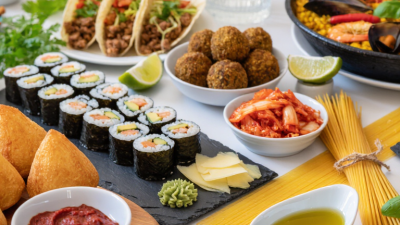
International food has moved from specialty aisles into everyday shopping baskets. A shopper might pick up Japanese miso, Italian pasta, or Mexican salsa during one visit. These products offer familiar meals with a different flavor, and they make home cooking feel more exploratory. Sometimes, the appeal is simple: a jar of curry paste can turn rice and vegetables into dinner in minutes.
Global buyers also value variety, convenience, and the stories attached to food. Clear ingredient lists, practical packaging, and consistent quality can help shoppers try products from unfamiliar cuisines. Retailers notice that interest, while online stores make regional ingredients easier to discover beyond major cities. Yet access alone does not guarantee trust. Buyers often want useful preparation guidance, accurate labeling, and information about sourcing. Small details matter. A recipe suggestion on the package can make an unfamiliar sauce less intimidating.
The popularity of international food is not just a passing trend, but it is not universal either. Price, dietary needs, availability, and cultural familiarity shape what people choose. A product praised by one shopper may seem too salty or unfamiliar to another. That deserves attention. Brands and retailers can learn from customer feedback rather than assuming every cuisine appeals in the same way. When quality, transparency, and cultural respect accompany convenience, international food can offer more than novelty: it can help people discover new tastes while still fitting real routines.
FAO: Global Agrifood Trade Reached Nearly $1.9 Trillion in 2022
International food appeals to buyers because it offers variety, year-round availability, and familiar ingredients from distant growing regions. FAO’s 2024 report, The State of Agricultural Commodity Markets, puts global agrifood trade at nearly $1.9 trillion in 2022. That figure shows how deeply food supply chains connect producers, processors, and consumers across borders.
The value needs context. FAO’s Food Price Index averaged 143.7 points in 2022, 14.3 percent above 2021. Higher prices helped lift trade values, so $1.9 trillion does not mean food volumes rose by the same amount. Not a simple story. A shipment of chilled berries, for example, depends on careful timing, refrigeration, and reliable transport; delays can reduce quality before it reaches a shop.
Trade also broadens everyday choices. Buyers can find coffee, rice, spices, and fresh produce from regions with different harvest seasons. Yet access is uneven, and long supply chains can make prices more vulnerable to freight costs or weather shocks. The headline number is impressive, but it can hide those practical pressures. FAO’s figures are a useful measure of market scale, not a complete measure of affordability or food security.
Why Is International Food Popular with Global Buyers? — FAO: Global Agrifood Trade Reached Nearly $1.9 Trillion in 2022
| Dimension |
Reported data |
What it suggests for global buyers |
Source |
| Global agrifood trade value |
Nearly US$1.9 trillion in 2022 |
The scale of trade reflects substantial international demand and gives buyers access to food and agricultural products from many markets. |
FAO, The State of Agricultural Commodity Markets 2024 |
| Long-term expansion |
The value of global agrifood trade nearly tripled between 2000 and 2022 |
The long-term increase indicates that international sourcing has become an increasingly important part of food and agricultural markets. |
FAO, The State of Agricultural Commodity Markets 2024 |
| Food-price context |
FAO Food Price Index averaged 143.7 points in 2022, 14.3% above its 2021 average |
Price volatility can make diverse sourcing options valuable to importers seeking to manage supply and purchasing costs. |
FAO, Food Price Index annual averages |
| Population context |
The global population reached 8 billion in November 2022 |
A large and growing global population underlines the importance of food availability across regions, including through trade. |
United Nations, World Population Prospects 2022 |
Note: Trade value is reported in current US dollars. The FAO Food Price Index is an index, not a currency-denominated price.
How Migration and Travel Introduce Buyers to New Food Cultures
Migration and travel turn unfamiliar dishes into personal memories. A family that moves abroad may bring recipes, cooking habits, and favorite ingredients into a new neighborhood. Soon, a small grocery shelf might hold dried chilies beside local vegetables. Curious shoppers can taste food shaped by both places.
Travel creates another path. A bowl of noodle soup eaten after a rainy train ride can stay vivid for years. Back home, travelers often look for similar flavors and share what they found with friends. Yet one meal cannot represent an entire culture. Recipes change across regions and families, and restaurant versions may differ from home cooking. I may be simplifying this, but curiosity often starts with one bite.
Tips: Ask about ingredients and preparation, especially if you have dietary needs. Try a small portion first, then notice its aroma, texture, and balance. Keep an open mind; a familiar dish may taste different far from where you first discovered it.
Why Flavor Variety, Authenticity, and Convenience Encourage Trial
International food attracts global buyers because one meal can offer a clear change of pace: smoky grilled spices, sharp pickles, or a sweet-sour sauce. Variety invites trial, especially when shoppers recognize familiar ingredients alongside something new. The International Food Information Council’s 2024 Food & Health Survey found that taste influenced food choices for 85% of respondents. Flavor matters. A vivid first bite can persuade, but overly intense seasoning may send a curious buyer back to familiar options.
Authenticity gives that curiosity a reason to last. Buyers often look for recognizable regional ingredients, preparation methods, and honest descriptions—not just decorative cultural references. Mintel’s 2024 Global Food and Drink Trends report highlights consumers’ interest in meaningful food experiences and cultural connections. Still, authenticity is not a passport stamp. A product can be carefully adapted for local tastes and remain credible, if its origins and changes are described plainly.
Convenience makes trial easier on an ordinary Tuesday. Small portions, simple preparation, and clear cooking instructions reduce the risk of buying an unfamiliar dish. The National Restaurant Association’s 2024 State of the Restaurant Industry report identifies off-premises dining as an established part of consumer demand. That shift favors foods that travel and reheat well. Yet convenience can flatten texture or aroma; a sauce packed separately may help, while extra packaging can feel wasteful. Buyers notice both.
How Supermarkets and E-Commerce Expand Access to Imported Foods
International foods become easier to find when supermarkets and online shops connect distant producers with everyday shoppers. A supermarket can place imported noodles, sauces, spices, or fruit beside familiar staples, making comparisons simple. Shoppers can inspect package condition and read ingredient, allergen, and storage information before buying. Reliable refrigeration also matters for chilled products. That matters.
E-commerce adds another route, especially for people far from specialist grocery stores. Search filters can narrow choices by cuisine, ingredient, or dietary need, while product pages provide space for origin and preparation details. Delivery brings convenience, but photos cannot show freshness or packaging quality. Temperature-sensitive goods also need careful handling. Access is not always equal: delivery fees, limited stock, and unclear descriptions can still frustrate buyers. An online listing may look complete, yet leave practical questions unanswered.
Tips: Compare ingredient lists, not just product photos. Check storage guidance and delivery estimates before ordering. For a new food, try one small package first. If details are missing, ask the seller; uncertainty is worth noticing.
How Safety Standards, Labels, and Cold Chains Build Buyer Confidence
Why Is International Food Popular with Global Buyers?
How Safety Standards, Labels, and Cold Chains Build Buyer Confidence
International food can bring new flavors to familiar shelves, but buyers need more than an appealing product. They need evidence that it was handled with care. Clear food-safety procedures help producers manage risks during processing, packing, and transport. Records of checks and corrective actions give buyers something concrete to review. Trust grows through details.
Labels make those details easier to follow. A readable ingredient list, allergen notice, origin information, and lot code help buyers assess a product and trace it if questions arise. Requirements vary by destination, so labels should be checked against the rules of the intended market. A neat label is not proof by itself. It must match the product and supporting records.
Temperature matters, too. For chilled or frozen foods, a continuous cold chain helps protect quality from loading to delivery. Temperature logs, calibrated sensors, and clear handover records can reveal where conditions changed. Small details matter. Yet even good systems can have gaps: a delayed reading or incomplete handoff may complicate an investigation. Buyers can build confidence by asking suppliers how they monitor temperatures, document exceptions, and keep records connected to each lot.