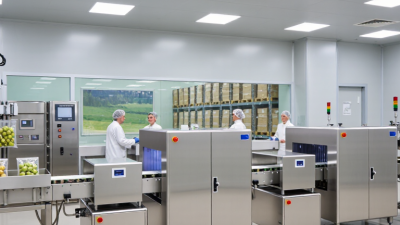
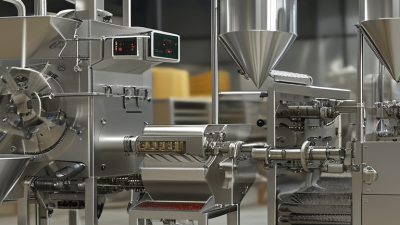
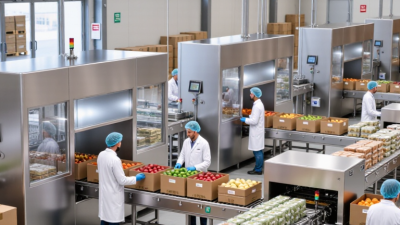
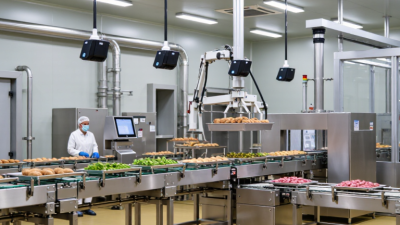
Global buyers choose innovative food processing for more than novelty. They need consistent quality, safe handling, dependable output, and products that travel well. A compact optical sorter can remove discolored pieces before packing. Precise temperature controls can help preserve texture during cooking or cooling. These details matter when shipments cross climates and reach retailers weeks later. Small gains add up.
The decision is rarely simple. Buyers compare equipment costs, sanitation design, energy use, maintenance access, and operator training needs. They also ask whether a production line can handle seasonal ingredients without sacrificing consistency. A supplier’s performance data, test runs, and service records are more persuasive than broad promises. Clear specifications help, but factory conditions vary. That deserves attention.
Innovative food processing can improve consistency and reduce avoidable waste, yet technology alone cannot guarantee either result. Sensors need calibration. New equipment needs careful cleaning and staff training. Buyers can assess measurable outcomes, request product trials, and check spare-parts availability. They should also consider whether a system fits local ingredients and existing workflows. A costly upgrade may disappoint if it solves the wrong problem. Often, the strongest choice is not the newest machine, but one that performs reliably, can be maintained, and supports real production goals. Some uncertainty remains.
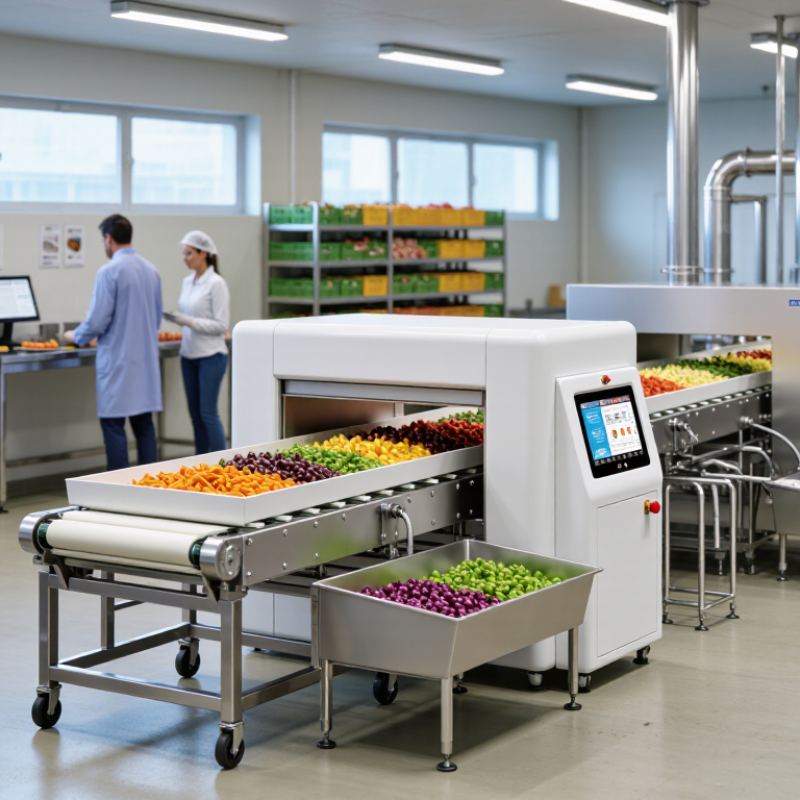
In the global food industry, innovative food processing means using better-controlled methods to make food safer, more consistent, and easier to distribute. Facilities can combine temperature sensors, automated controls, and clear batch records instead of relying on timing alone. Operators may spot a cooling delay or uneven heating before it becomes a recurring quality problem. Small changes matter.
Innovation can also involve gentler heating, efficient freezing, or improved cutting and packing. The right method depends on the food. A delicate fruit purée needs different treatment from a dense grain mixture. Careful control can help preserve texture and reduce avoidable waste, while validated safety checks remain essential. Technology is not a substitute for trained people.
For buyers, these practices can mean more dependable quality across shipments and better visibility into how products were handled. Traceability records can help teams investigate a temperature deviation or compare batches from different production days. Still, advanced equipment does not guarantee lower costs or a better product. It needs maintenance, skilled operators, and reliable data. A sensor that is poorly placed can create false confidence. Processing decisions also need to reflect local storage conditions, consumer expectations, and the product’s intended use.
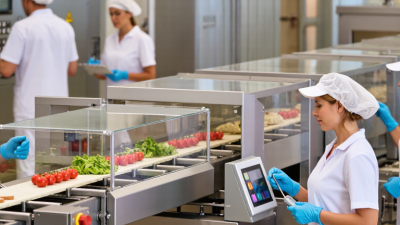
Food loss and waste highlight where better processing, storage, and supply-chain technologies can make a difference.
What the data shows: An estimated 13.2% of food was lost after harvest and before retail in 2021. A separate estimate found that 19% of food available to consumers was wasted at retail, in food service, and in households in 2022. These indicators use different definitions and years, so they should not be added together.
Sources: FAO, SDG Indicator 12.3.1a (2021); UNEP, Food Waste Index Report 2024 (2022 data).
Food processing is being reshaped by technologies that make each stage easier to measure and adjust. On a chilled line, compact sensors can track temperature, moisture, and belt speed in real time. That data helps operators spot drift before texture or yield changes become obvious. Small changes matter. Still, a sensor is useful only when readings are checked and workers know how to act.
Machine-vision cameras inspect color, size, and surface defects faster than manual sampling. Paired with sorting equipment, they can redirect bruised produce while keeping acceptable items moving. Robotics now handles repetitive tasks such as portioning, tray loading, and case packing. Less strain, steadier output. Yet sticky products, irregular shapes, and frequent product changes can confuse automated systems. Human oversight remains important, especially when a visual flaw does not indicate a safety problem.
Precision heating and cooling technologies can reduce unnecessary exposure to heat. Controls may adjust cooking or chilling profiles using product size and measured core temperatures. Some facilities are testing digital models that compare expected performance with live production data. These tools may reveal energy losses or bottlenecks, but results depend on clean data and careful calibration. Implementation is not instant. Older equipment, staff training, and maintenance budgets can slow progress; overlooking those constraints makes innovation look easier than it is.
Global buyers look for food processing that protects products without hiding how they are made. A calibrated temperature probe can flag a heating step that drifts beyond its set range. Digital batch records also make it easier to trace when ingredients arrived and how they moved through production. Small details matter.
Quality depends on consistency. Optical sorting can identify damaged pieces, while controlled mixing helps keep texture and flavor steady across batches. Automated seal checks can catch weak packaging before products leave the line. These tools support skilled workers; they do not replace careful inspection or sound sanitation routines.
Efficiency improves when equipment uses less water, reduces avoidable downtime, and gives operators clear alerts. Still, technology can be oversold. A sensor is only useful when it is calibrated, maintained, and understood by the people using it. An alert that arrives too late is not much help. Buyers should ask how data is checked, how staff are trained, and what happens when a system fails. No process is perfect, and that deserves honest attention.
Global buyers look for processing systems that use resources carefully and cope with changing supply. The need is practical. FAO’s 2023 report estimated that 13.2% of food was lost after harvest and before retail in 2021. Better sorting, temperature control, and careful handling can help reduce avoidable losses, though equipment alone cannot solve every cause. A bruised tomato still needs a market. Small details matter.
Adaptability also helps plants respond to seasonal crops, shifting order sizes, and new product formats. UNEP’s Food Waste Index Report 2024 estimated that 1.05 billion tonnes of food waste arose at household, food-service, and retail levels in 2022. Processing choices cannot prevent all of it, but flexible lines can support smaller batches and quicker changeovers. Think adjustable cutting settings, cleanable surfaces, and controls that track water and energy use. These features make day-to-day decisions easier to measure. Yet flexibility can add maintenance and training demands. That part is easy to underestimate. Buyers should compare actual operating data, not just promises, and check whether local teams can keep the system performing over time.
Choosing an innovative food processing partner is less about impressive machinery than dependable performance on an ordinary production day. Buyers assess whether equipment handles their ingredients consistently, from the first batch to the last. A small variation in moisture or temperature can change texture, yield, and shelf life.
Ask to see trial results using ingredients similar to yours. Check how the partner measures output, rejects, downtime, and cleaning time. Look closely at stainless-steel contact surfaces, access points, and the clarity of operating instructions. Small details matter. Reliable records for batch settings, maintenance, and product testing help teams trace problems and repeat successful runs. Ask who responds when a line stops, and what spare parts are typically kept nearby.
Innovation also means adapting without making the process harder to manage. A proposed upgrade should have a clear purpose, realistic performance targets, and a plan for operator training. Speak with the technical team, not only sales staff. Their answers can reveal how well design choices connect to daily production. No audit sees everything. A short trial may still expose awkward cleaning steps or controls that operators find confusing. It is worth noting those gaps before committing.
| Assessment Area | What Buyers Assess | Evidence to Review | Why It Matters |
|---|---|---|---|
| Food safety systems | How hazards are identified and controlled throughout processing, including cleaning, sanitation, and corrective actions. | HACCP-based plans, hazard analyses, sanitation procedures, audit results, and applicable food safety certification records. | A documented, maintained system helps manage food safety risks and support customer and regulatory requirements. |
| Regulatory readiness | Whether the facility and its processes can meet the applicable rules in the intended markets. | Current licenses or registrations where required, inspection records, product specifications, and a process for monitoring regulatory changes. | Food requirements differ by product and destination market, so readiness should be checked against the buyer’s specific route to market. |
| Traceability and recall capability | How ingredients, packaging, processing records, and finished lots are linked across the supply chain. | Lot coding examples, traceability records, supplier documentation, and results from mock recall exercises. | Effective records help identify affected materials and products when an investigation or withdrawal is needed. |
| Process validation and consistency | Whether critical process steps are defined, monitored, and shown to produce product that meets agreed specifications. | Process flow diagrams, monitoring records, validation or verification studies, finished-product checks, and change-control procedures. | Repeatable controls help reduce variation between production runs and support reliable product quality. |
| Capacity and flexibility | Available line capacity, minimum order requirements, changeover needs, lead times, and ability to manage demand changes. | Line schedules, stated production ranges, changeover plans, maintenance schedules, and contingency arrangements. | A realistic capacity plan helps align supply commitments with equipment, staffing, and production constraints. |
| Product development and innovation | Technical support for formulation, ingredient selection, process adaptation, packaging compatibility, and scale-up. | Development workflow, sample and pilot-trial protocols, technical review records, and documented approval gates. | Structured trials help assess whether a product concept can be produced consistently at the intended scale. |
| Allergen and cross-contact controls | How allergens are identified, stored, handled, declared, and managed during production and changeovers. | Allergen maps, segregation procedures, cleaning verification records, label checks, and changeover controls. | Appropriate controls help prevent unintended allergen cross-contact and support accurate product information. |
| Equipment, maintenance, and hygiene design | Equipment suitability for the product, ease of cleaning, preventive maintenance, and control of foreign-material risks. | Equipment specifications, maintenance logs, cleaning procedures, calibration records, and foreign-material control checks. | Suitable equipment and upkeep support hygienic operation, dependable performance, and controlled processing conditions. |
| Packaging and shelf-life support | Compatibility of packaging with the product and process, as well as the basis for storage and shelf-life instructions. | Packaging specifications, seal or closure checks, storage-condition records, and product-specific shelf-life study documentation. | Packaging performance and supported storage instructions affect product protection and quality throughout distribution. |
| Resource efficiency and responsible operations | How energy, water, materials, and process losses are monitored and managed, where relevant to the buyer’s objectives. | Defined resource indicators, monitoring methods, waste-management procedures, and documented improvement projects. | Measured performance provides a basis for evaluating resource use and identifying practical process improvements. |
| Communication and corrective action | How specifications, production changes, nonconformities, complaints, and delivery issues are communicated and resolved. | Escalation contacts, change-notification procedures, complaint records, corrective-action documentation, and review cadence. | Clear responsibilities and documented follow-up support timely decisions and continuous improvement. |