Choosing the top 10 international foods for buyers is not just a matter of following trends. It means weighing flavor, reliable supply, shelf life, and customer demand. A jar of Thai curry paste, a bag of Italian pasta, or frozen Brazilian pão de queijo can each serve a different market. The right choice depends on who will buy it and how it will reach them.
Chef and food writer Anthony Bourdain described food as “an extension of nationalist feeling, ethnic feeling, your personal history, your province, your region, your tribe, your grandma.” His words capture why familiar dishes can carry meaning far beyond the plate. For buyers, that meaning matters—but so do practical details. Check ingredient lists, allergen information, packaging, storage needs, and supplier traceability. A product that looks appealing in a catalog may behave differently after weeks in transit. Small details count.
This guide considers ten internationally known foods through a buyer’s lens, including versatility, consumer appeal, and sourcing practicality. It is not a universal ranking; local tastes and budgets change the picture. That is worth admitting. A popular food can still be the wrong purchase if demand is uncertain or handling requirements are difficult to meet. The goal is to help buyers compare options thoughtfully, ask better supplier questions, and choose foods that fit their customers—not just the latest trend.
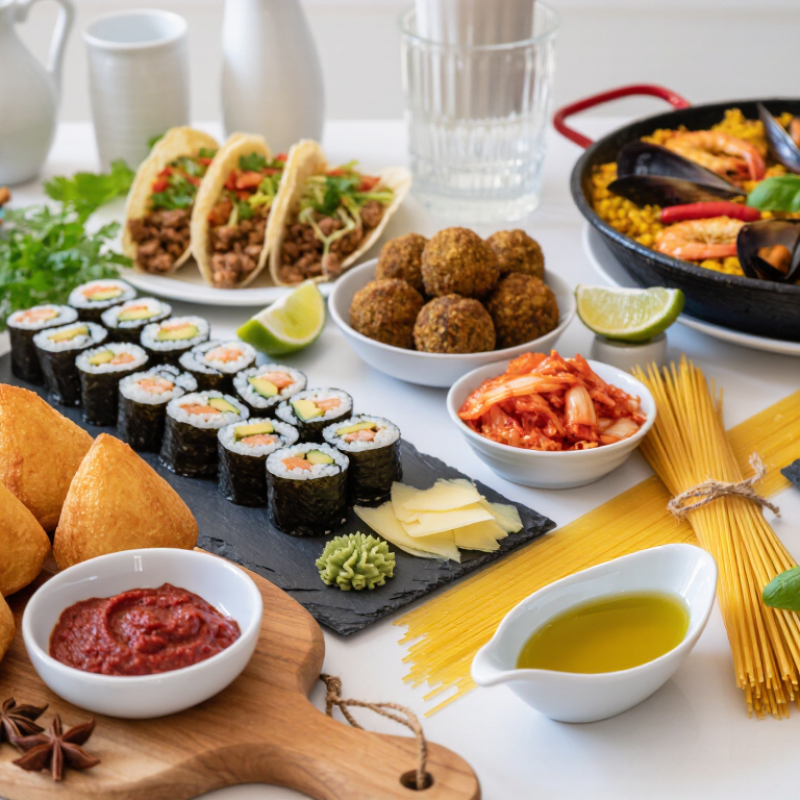
For buyers, an international food is more than a dish from another country. It is a product shaped by a distinct food culture and traded across borders, with ingredients, processing, and use that buyers can verify. The OECD-FAO Agricultural Outlook 2024–2033 projects that about 22% of calories consumed worldwide will cross an international border before consumption by 2033. That makes origin and supply reliability practical buying questions, not decorative details. A jar of chili paste, for example, should have a clear ingredient list, consistent heat level, and packaging suited to its destination market. Not just a label.
Buyers can assess whether a product fits their customers by checking its flavor profile, preparation needs, shelf life, and documented handling. FAO estimated that 13.2% of food was lost after harvest and before retail in 2021, highlighting why storage and transport details matter. Ask how temperature, moisture, and transit time are managed, especially for delicate foods. Yet “authentic” is not always a precise specification; recipes and preferences vary within the same country. That deserves a second look. Use supplier records and sample testing alongside cultural descriptions, and confirm that translated labels clearly explain allergens, ingredients, and preparation. A product can be genuinely distinctive and still need adjustment for local tastes.
| What Are the Top 10 International Foods for Buyers? - What Defines an International Food for Buyers? | |||||
|---|---|---|---|---|---|
| Rank | Food | Origin or Culinary Association | What Defines It as International? | Common Ingredients or Format | Buyer Considerations |
| 1 | Sushi | Japan | A Japanese food tradition widely available in markets around the world, with both traditional and locally adapted varieties. | Seasoned rice, seafood or vegetables, and often nori; served as rolls, nigiri, or other forms. | Check cold-chain handling, seafood sourcing, allergen information, and whether products are raw, cooked, or vegetarian. |
| 2 | Pizza | Italy | An Italian-origin dish that has become a global menu staple, with regional toppings and styles. | Flatbread-style dough, tomato or other sauce, cheese, and optional toppings. | Compare frozen, chilled, and ready-to-bake formats; review storage needs, topping specifications, and wheat and dairy allergens. |
| 3 | Tacos | Mexico | A Mexican dish recognized internationally and commonly adapted through different fillings, tortillas, and serving styles. | Corn or wheat tortillas with fillings such as vegetables, beans, meat, or seafood. | Confirm tortilla type, filling composition, spice level, and separate handling requirements for refrigerated fillings. |
| 4 | Curry | South Asia and other regional traditions | “Curry” refers to a broad range of spiced dishes rather than one single recipe, with many regional forms sold internationally. | Spiced sauces or stews with vegetables, legumes, meat, or seafood; recipes vary by region. | Specify the intended regional style and heat level, and check ingredients such as dairy, nuts, legumes, and spice blends. |
| 5 | Hummus | Levantine and wider Middle Eastern food traditions | A chickpea-based food with regional roots that is now commonly sold as a dip or spread across international markets. | Chickpeas, tahini, lemon, and garlic are common ingredients. | Review refrigeration and shelf-life requirements, sesame allergen labeling, and packaging size for retail or food service. |
| 6 | Kimchi | Korea | A Korean fermented vegetable food increasingly used internationally as a side dish or ingredient. | Fermented vegetables, commonly napa cabbage or radish, seasoned with ingredients that may include chili, garlic, and ginger. | Check fermentation and storage specifications, spice level, and whether the recipe contains fish-derived ingredients. |
| 7 | Pho | Vietnam | A Vietnamese noodle soup served internationally in restaurants and packaged meal formats. | Rice noodles, broth, herbs, and optional meat or plant-based toppings. | Compare broth ingredients and preparation format; verify allergen details and chilled or frozen storage requirements. |
| 8 | Falafel | Middle Eastern food traditions | A legume-based food associated with several Middle Eastern cuisines and widely sold as a snack, filling, or plant-based option. | Ground chickpeas or fava beans with herbs and seasonings, formed into balls or patties. | Check whether the product is chilled, frozen, or ready to eat, along with legume allergen information and cooking instructions. |
| 9 | Paella | Valencia, Spain | A Spanish rice dish with recognizable regional roots and numerous ingredient variations in international food markets. | Rice cooked with stock and seasonings; versions may include vegetables, seafood, or meat. | Confirm recipe style, seafood and other allergens, portion format, and whether the product needs cooking or reheating. |
| 10 | Empanadas | Iberian and Latin American culinary traditions | A filled pastry found in multiple countries, with local variations in dough, fillings, and preparation. | Pastry dough filled with ingredients such as vegetables, cheese, meat, or fruit. | Compare baked and fried formats, filling options, pastry ingredients, and frozen or chilled distribution needs. |