Choosing the best food magazine for your business takes more than comparing cover prices or audience figures. The right publication can put your product in front of readers who are already interested in cooking, dining, or food shopping. A poor fit can spend your marketing budget without bringing useful attention.
Start with your goal. Do you want local customers, trade buyers, brand awareness, or measurable website visits? Then examine each magazine’s readership, distribution, editorial focus, and advertising options. Request current media kits, but treat headline circulation figures as a starting point, not proof of impact. Ask how readership is measured and whether the publication can share relevant campaign examples. Numbers matter. Context matters more.
Read recent issues closely. Notice whether the photography, recipes, and product coverage match your brand’s style and customers. Check ad dimensions, deadlines, placement choices, and any extra production fees before committing. A polished media kit can still leave unanswered questions; that is worth acknowledging. If a publisher cannot explain its audience clearly, pause and compare alternatives. Smaller publications may offer a closer connection with readers, though their reach can be limited. The best choice depends on your budget, timing, and what success looks like for your business. This guide will help you assess those details, compare options fairly, and choose a food magazine with evidence rather than guesswork.
Gartner’s 2024 CMO Spend Survey reported that marketing budgets averaged 7.7% of company revenue. Treat this as a reference point, not a rule: the right figure depends on your margins, growth plans, and existing customer base. If annual revenue is $500,000, 7.7% equals $38,500 for all marketing—not just magazine advertising. Set that total before comparing publication rates. Keep room for creative work, tracking, and other channels.
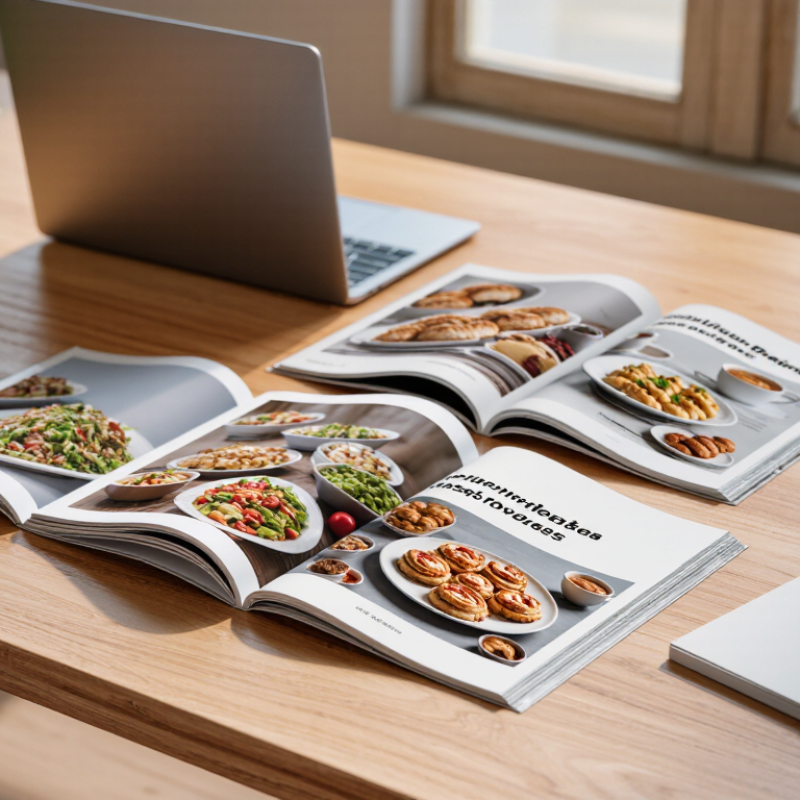
For a food magazine, compare its readers with the people who actually buy your products. Ask for recent circulation figures, reader demographics, distribution areas, and placement options. Then estimate the cost per likely customer, not simply the cost per page. A full-page ad may look impressive beside recipes and glossy food photography, but appearance alone cannot show whether it will bring inquiries. Test a smaller placement or a limited campaign, and use a unique landing page or offer to track responses. Some readers may buy later, so attribution will be imperfect. Be ready to revise the budget when the evidence is mixed.

A food magazine’s reach should be checked, not guessed from a polished media kit. Ask for a recent, independently audited circulation statement. Check its reporting period, print copies distributed, paid subscriptions, and complimentary copies. These figures describe circulation, not necessarily people who read each issue. A stack of copies in a café may count as distributed, even if few customers open it. That distinction matters.
Pair circulation figures with independent readership research, such as MRI-Simmons data. It can estimate who reads a publication and reveal details about cooking habits, shopping patterns, and household interests. Review the survey dates, sample size, and audience definitions before comparing titles. The figures are estimates, not a head count. Useful, but imperfect. One magazine may report adults who read any issue; another may focus on recent readers. Ask for the underlying definitions, then compare like with like. If a sales representative cannot explain a sharp gap between circulation and readership, pause. A smaller, well-matched audience may serve your business better than a larger number with unclear methods. Check whether readers resemble your customers, not just whether the headline figure looks impressive.
| Evaluation Dimension | Data to Verify | Evidence to Request | How to Use It |
|---|---|---|---|
| Audited circulation | Average paid circulation, reported for a clearly stated period and edition. | The latest applicable AAM audit report or verified publisher statement, including its reporting dates and circulation categories. | Compare audited figures on the same basis; do not treat total distribution as equivalent to paid circulation. |
| Distribution by geography | Circulation or readership by country, region, or target market, where available. | Geographic breakdown from the audit report or the relevant readership study, with definitions and survey period. | Prioritize markets where the business can sell, ship, or support its products. |
| Verified readership | Estimated readership, audience profile, and the specific issue or publication period measured. | MRI-Simmons data or another clearly identified readership study; check the study date, sample, and methodology. | Use readership data to understand the audience; keep it distinct from audited copies circulated. |
| Audience fit | Relevant characteristics such as food interests, shopping behavior, age bands, household profile, and location. | Readership-study tables that state the measured audience segments and their definitions. | Match the measured segments to the product’s actual customer and campaign objective. |
| Issue frequency and timing | Number of issues per year, publication dates, and advertising deadlines. | Current media kit and editorial or advertising calendar. | Check that issue timing aligns with product launches, seasonal demand, and campaign lead times. |
| Audience overlap | Duplicated readership across the publications being considered, if measured. | A comparable cross-publication readership analysis with the same market, period, and audience definitions. | Consider overlap when estimating incremental reach; do not add audience totals without accounting for duplication. |
| Advertising cost efficiency | Quoted placement cost and the matching, clearly defined audience or circulation measure. | Current rate card and written confirmation of placement, format, issue, and any applicable fees. | Calculate CPM as cost ÷ comparable audience measure × 1,000; label whether the denominator is circulation or readership. |
| Data quality and recency | Reporting period, audit or study date, methodology, and any limitations. | Source documents rather than undated promotional summaries; confirm that figures refer to the edition being evaluated. | Compare like with like and flag figures that are outdated, differently defined, or not independently verified. |
Note: Circulation measures copies distributed; readership measures people estimated to read or have access to a publication. They are different metrics and should be evaluated separately.
When choosing a food magazine for your business, compare advertising value with CPM, or cost per thousand impressions. Use this formula: ad cost ÷ estimated impressions × 1,000. For example, a $900 placement reaching 30,000 impressions has a $30 CPM. Check what “impressions” means in the publisher’s figures. Print circulation, digital views, and verified readership are not always measured the same way.
Tips: Ask for recent audience data, distribution details, and rates for comparable ad sizes. Check whether readers match your customers, such as home cooks, restaurant owners, or specialty food buyers. A lower CPM may look attractive, but it can be poor value if the audience is too broad. Request written details before comparing quotes.
CPM is useful, but it does not predict sales. An ad beside a seasonal recipe feature may feel more relevant than one in a general section, though placement alone cannot guarantee results. Track responses with a unique landing page or offer code, then compare the cost with meaningful inquiries or purchases. Keep your assumptions visible. Impression estimates can be imperfect, and I would treat them as a starting point rather than a promise. A small test placement may reveal more than a polished rate sheet.
Before paying for a food-magazine placement, check who controls the article and how paid content is labeled. The FTC’s 2023 Endorsement Guides say material connections, such as payment or gifted products, should be disclosed clearly and conspicuously. A vague label at the foot of a recipe may be easy to miss. Ask whether “sponsored” appears beside the headline, in social posts, and on video—not only in a media kit. Small details matter.
Trust is part of the decision. Nielsen’s 2015 Global Trust in Advertising report found that 83% of respondents trusted recommendations from people they knew, while 66% trusted consumer opinions posted online. Those figures are not specific to food magazines, but they underline why readers need to know when content is paid. Check the publication’s written policies for editorial review, recipe testing, corrections, and separation between advertising and editorial staff. Request recent audience and circulation data, too. A large circulation number is not proof of credibility; it is only one clue. I would also read several recent sponsored recipes myself. Sometimes the disclosure is technically present, yet still feels tucked away.
When comparing food magazines, look beyond circulation claims. Ask for the audience profile, placement dates, and reporting method. A magazine read by home cooks may not reach restaurant buyers, even if its total audience looks impressive. For digital campaigns, agree on IAB-aligned definitions before booking. Reach estimates unique people exposed; frequency shows average exposures per person. Impressions alone can hide repetition. A campaign might deliver 40,000 impressions but reach far fewer readers. That matters.
Set a conversion goal that fits the offer, such as recipe downloads, store-locator visits, or coupon redemptions. Use tagged links and a landing page designed for the placement. Then compare conversions with reach and frequency, not in isolation. If frequency rises while response stays flat, the message may need refreshing, or the audience may be too broad. Small samples can mislead. Keep that in mind.
Ask the publisher for a post-campaign report showing delivery dates, audience reach, average frequency, and conversion data where available. Check whether conversions are clicks, sign-ups, or completed purchases; they are not interchangeable. Print placements need separate evidence, such as audited circulation, because digital IAB metrics do not measure a printed page. Attribution is imperfect, too. A reader may see an ad, then buy later without clicking. Note that gap when judging results.