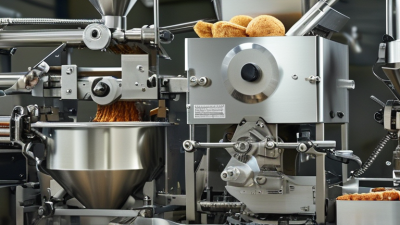
Top Food Processing Machine Manufacturers in China?
China has become a major hub for food processing equipment, serving bakeries, beverage plants, meat facilities, and prepared-food factories worldwide. Its manufacturers offer practical solutions, from stainless-steel mixers and cutters to filling, drying, packaging, and automated inspection systems.
Yet a factory photograph cannot prove machine quality. Buyers need evidence. They should examine material certificates, welding standards, hygienic design, production capacity, testing records, and after-sales support. A polished catalog is only a starting point. Sometimes, the cheapest quotation creates the highest maintenance cost.
Dr. Robert L. Gravani, a food safety professor emeritus at Cornell University, has stated, “Food safety is a shared responsibility from farm to fork.” This principle matters when evaluating Chinese food processing machine manufacturers. Equipment must protect product safety during mixing, heating, conveying, cooling, and cleaning. Small design details matter, including smooth welds, accessible seals, drainage angles, and reliable temperature controls.
This guide introduces leading Chinese manufacturers and explains the strengths buyers should compare. It considers product range, customization, export experience, documentation, certifications, and service responsiveness. Some companies excel at high-speed automation. Others provide flexible machines for smaller processors.
No supplier fits every factory. That is the uncomfortable part. A machine may perform well in one production environment and struggle in another. Therefore, readers should treat this overview as a research tool, not a final purchasing decision. Site visits, sample testing, reference checks, and technical discussions remain essential before signing a contract.
Definition and Scope of Food Processing Machinery in China
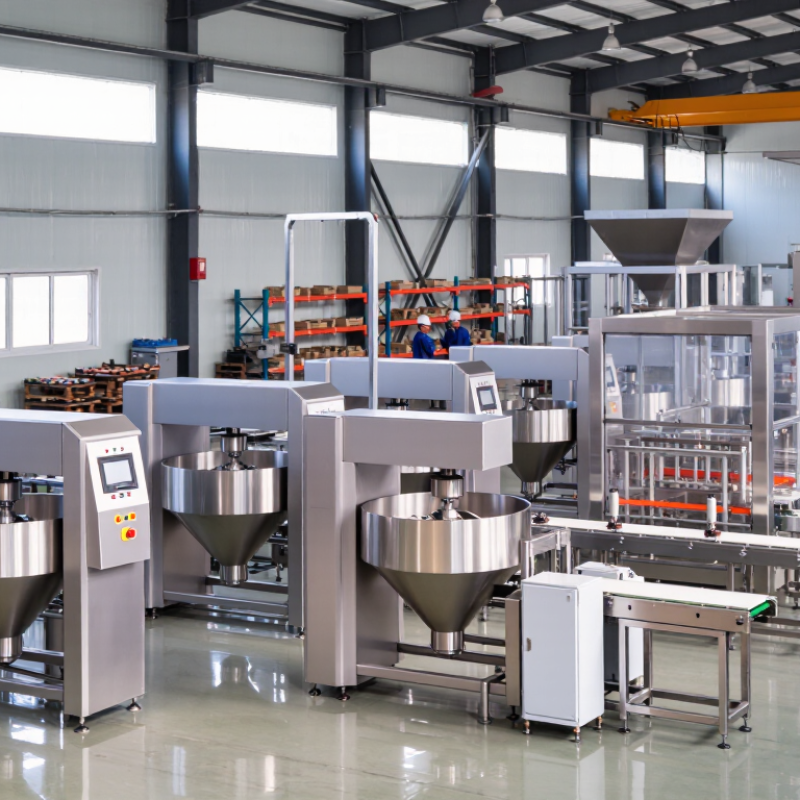
Food processing machinery in China covers equipment that changes raw ingredients into safe, consistent, and market-ready food. Its scope includes cleaning, sorting, cutting, mixing, cooking, drying, filling, sealing, freezing, and packaging systems. It also includes conveyors, pumps, sensors, control panels, and inspection units. A small vegetable washer and a complete frozen-food line both belong to this category.
In practice, Chinese manufacturers serve many production scales, from compact workshop equipment to automated industrial lines. During factory evaluations, buyers should examine stainless-steel surfaces, weld quality, drainage design, and access for sanitation. Product-contact parts should match the intended food and cleaning method. Testing should include output rate, temperature control, power consumption, and changeover time. Numbers matter.
The machinery scope also reaches software, traceability functions, spare parts, installation, and operator training. A machine may perform well during a short demonstration but struggle during continuous production. This is often overlooked. Buyers should request test records, maintenance schedules, and clear acceptance criteria before purchasing. Local food regulations, workplace safety rules, and export requirements can differ, so technical documents must be checked carefully. Over-automation is not always efficient. A simpler line may offer easier cleaning and more reliable maintenance for a small processor.
Key Types of Food Processing Machines and Their Applications
Top Food Processing Machine Manufacturers in China?
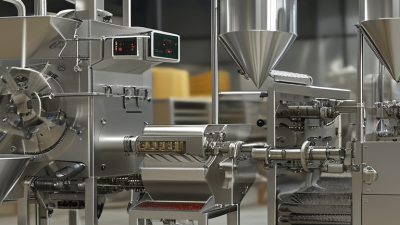
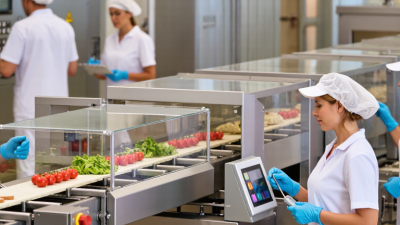
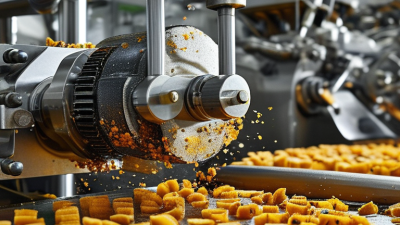
China’s food equipment sector covers washing, cutting, mixing, cooking, filling, and packaging systems. Each machine serves a different production risk. Washing lines remove soil from vegetables. Cutting machines create uniform slices for even cooking. Mixers maintain consistent texture in sauces, dough, and prepared foods. Thermal systems use steam, hot water, or controlled air. Filling machines improve portion accuracy. Packaging equipment limits oxygen, moisture, and handling exposure.
Grand View Research valued the global food processing equipment market at about USD 58.8 billion in 2023.
It forecasts a 5.7% compound annual growth rate from 2024 to 2030. This growth supports demand for modular Chinese machinery, especially among medium-sized factories.
In practical testing, stainless-steel contact surfaces, easy drainage, and tool-free cleaning matter more than impressive speed claims. Food manufacturers should also examine temperature records, electrical safety, spare-part access, and operator training. A fast machine can still waste material.
Automation is useful, but it is not automatically better. A small bakery may need a reliable mixer and depositor, not a fully integrated line.
Beverage producers often prioritize filtration, sterilization, filling, and capping accuracy. Meat and seafood processors require hygienic conveyors, chilled handling, and strict cleaning routines.
The FAO continues to emphasize food safety controls across processing and supply chains. Buyers should request test samples and production data before purchasing. Specifications can look perfect on paper. Real products are less predictable.
Leading Chinese Food Processing Machine Manufacturers
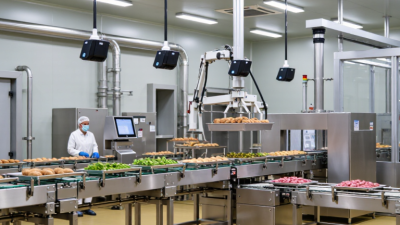
China has become a major manufacturing base for food processing equipment. Leading Chinese food processing machine manufacturers serve bakeries, beverage plants, meat processors, and prepared-food factories. Their product ranges often include mixers, cutters, fillers, conveyors, dryers, and packaging lines.
In practical sourcing work, equipment reliability matters more than a polished catalog. A capable manufacturer should explain material grades, motor performance, cleaning access, and expected output. Stainless steel contact parts should match the product and sanitation requirements. Ask for process drawings, test videos, and documented factory inspections. Request samples when texture, moisture, or particle size affects performance.
After-sales support also deserves close attention. Clear manuals, spare-parts lists, training, and response times can prevent expensive downtime. I have found that small details matter, such as drain angles, guard placement, and tool-free access panels. A lower price is not always a lower operating cost. It can hide difficult maintenance or inconsistent fabrication. Even experienced buyers can miss these issues. Manufacturer claims still require verification. A factory visit, independent inspection, or controlled acceptance test makes the decision more reliable.
Top Food Processing Machine Manufacturers in China
China’s food-processing equipment sector covers a wide range of industrial applications. The chart below presents typical rated throughput ranges for common machine categories, helping buyers compare equipment capacity without using company or brand data.
Capacity figures are representative industrial ranges in tonnes per hour and vary according to product type, process design, and automation level.
Manufacturing Standards, Certifications, and Quality Control
Top Food Processing Machine Manufacturers in China?
Reliable food processing machine manufacturers are judged by more than production speed or attractive quotations. Experienced manufacturers should follow documented quality systems, often supported by ISO 9001 certification. Their workshops should control stainless steel grades, welding quality, surface finishing, and component traceability. Food-contact parts commonly require suitable hygienic materials, such as 304 or 316 stainless steel, depending on the product and cleaning conditions.
Certifications must match the machine and target market. CE marking may apply to equipment sold in relevant markets, while HACCP principles help identify contamination risks during design and operation. Manufacturers should provide material certificates, electrical test records, calibration reports, and factory acceptance testing. Ask for evidence, not promises. A clean workshop helps, but it does not replace documented inspections.
Quality control becomes clearer when every stage leaves a record. Inspectors may check weld penetration, surface roughness, sealing points, temperature accuracy, and emergency-stop performance. Trial runs should use realistic materials and production speeds. Small details matter. One weakness is easy to miss: a machine may pass a demonstration but struggle during continuous operation. Buyers should review maintenance access, spare-part availability, cleaning time, and operator training. Independent audits can reveal gaps that brochures rarely mention. Even a mature manufacturer may have inconsistent suppliers, so incoming inspection remains necessary. 海南天天中彩票
How to Evaluate and Select a Chinese Machine Manufacturer
Selecting a Chinese food processing machine manufacturer requires more than comparing prices. Check the company’s factory, engineering team, and production records. Ask for recent videos showing welding, assembly, testing, and control-panel operation. A reliable supplier should explain food-contact materials, surface finishing, motor specifications, and cleaning access clearly. Vague answers deserve caution.
Request drawings, capacity data, utility requirements, and a sample test using your actual product. For example, dough, sauce, and frozen vegetables behave differently inside the same machine. Confirm whether the quoted output is measured under real conditions. Review certificates, inspection reports, warranty terms, spare-parts availability, and installation support. Speak with reference customers if possible. One overlooked detail can delay an entire production line.
Tips: Use a written scoring sheet. Rate technical fit, hygiene design, response speed, testing quality, and after-sales support separately. Never choose from the lowest quote alone. Ask who will solve a sensor failure at 2 a.m. Also check packaging, shipping protection, and acceptance standards before payment. A factory visit helps, but it is not proof of everything. Some workshops look impressive during a tour yet lack consistent documentation. That is an uncomfortable point, but it matters. Keep communication records, clarify every assumption, and leave room for independent inspection.