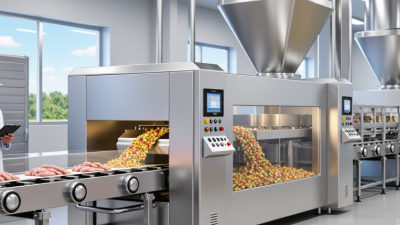
Choosing the best food tech expo in 2026 requires more than counting exhibitors or admiring futuristic equipment. A valuable event should connect practical innovation with measurable business results. Visitors may find fermentation systems, robotic kitchens, alternative proteins, smart packaging, and AI-supported quality control. The strongest expo will also explain how these technologies perform beyond a polished demonstration.
Industry experience matters when comparing major international events. A reliable food tech expo should attract established manufacturers, research institutions, food safety specialists, investors, and credible start-ups. Its speakers should discuss production costs, regulatory expectations, traceability, energy use, and consumer acceptance. Real evidence is essential. A tasting sample may impress visitors, but documented shelf-life data matters more.
This guide will examine which 2026 expo offers the clearest value for professionals and curious decision-makers. It will consider exhibitor quality, educational sessions, networking opportunities, venue access, and the relevance of emerging technologies. It will also question impressive claims that lack independent testing. That part is easy to overlook.
No single event can serve every visitor equally. A packaging engineer may prefer automation demonstrations, while a food founder may need investor meetings. My assessment may not capture every regional advantage, and that limitation deserves attention. Still, careful comparison can reveal which expo provides useful knowledge, credible contacts, and realistic opportunities. The best choice should leave attendees with more than brochures. It should give them practical ideas they can test on a factory floor, in a laboratory, or during their next product development meeting.
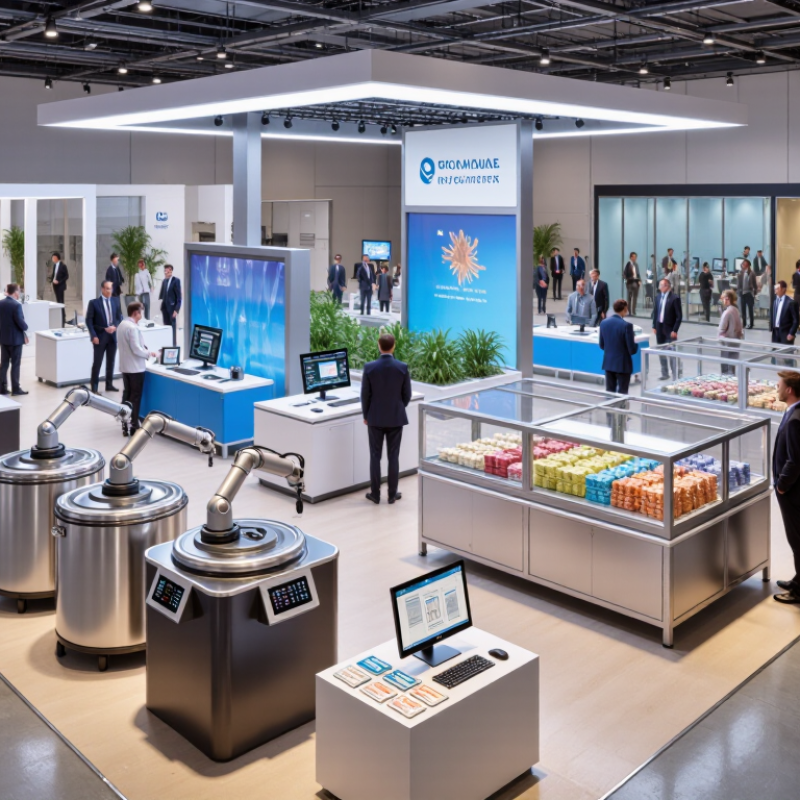
The best food tech expo in 2026 should make innovation easy to inspect. Visitors need working demonstrations, not polished claims behind glass. A useful event shows how sensors monitor temperature, how automation reduces waste, and how digital systems support traceability. These examples should include measurable results, clear limitations, and realistic operating costs. Practical evidence matters more than dramatic presentations.
Strong exhibitions also bring together food scientists, engineers, safety specialists, farmers, and production managers. Their discussions should explain how technology performs in busy kitchens and factories. Independent speakers can challenge exaggerated promises. They should address energy use, data protection, worker training, and food safety controls. Technical language has value, but visitors still need honest explanations.
A convincing expo allows visitors to test equipment, compare processes, and ask difficult questions. Some demonstrations may fail. That can be useful. Failure often reveals maintenance needs, hidden training demands, or weak assumptions. I would trust an event more when exhibitors admit what their systems cannot do. The strongest expo may not display the flashiest invention. It may offer careful evidence, responsible design, and conversations that continue after the exhibition closes.
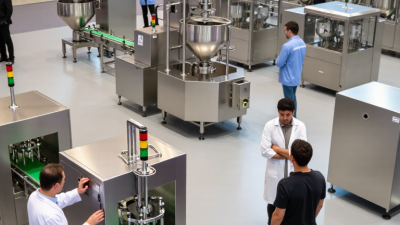
The strongest food technology expos in 2026 will make innovation easy to examine. Visitors should see precision fermentation tanks, compact cultivation systems, and automated filling lines operating in real time. Clear displays should explain energy use, water demand, ingredient safety, and production costs. A polished prototype is not enough.
Artificial intelligence will appear across the exhibition floor. Sensors can monitor temperature, moisture, texture, and contamination risks during processing. Digital traceability tools may connect a farm, factory, warehouse, and retailer through one reliable record.
Smart packaging could show freshness changes with simple visual signals. Cold-chain demonstrations should include actual temperature data, not only attractive screens.
Food waste technology deserves equal attention. Exhibitors may present methods for turning fruit skins, spent grains, and imperfect vegetables into useful ingredients. Robotics can sort products quickly, but human oversight remains important. Machines still misread unusual shapes. Some alternative protein systems also need better texture and lower resource use. Their environmental claims should be tested by independent evidence.
The most valuable expo will encourage difficult questions. Can small producers afford these systems? Will workers receive practical training? Does a new process reduce waste after transport and cleaning are included?
I would spend more time with transparent trials than dramatic promises. Real innovation often looks unfinished. That is useful.
What makes the best food tech expo in 2026? The answer depends on who is exhibiting and what visitors can test. Strong exhibitors should show working systems, not polished promises. Expect compact fermentation tanks, computer-vision sorting tools, smart packaging, and lower-energy processing lines. A useful booth includes production data, safety notes, and clear limitations. Numbers matter.
Startups add energy, but practical evidence matters more than colorful prototypes. Look for teams explaining pilot results, ingredient sourcing, maintenance needs, and production costs. Visitors should ask how a system performs beyond a controlled demonstration. A prototype is not a factory. That distinction is easy to miss. Some displays may hide slow throughput, high cleaning demands, or uncertain supply inputs. Honest answers build credibility.
Industry participants should include food manufacturers, farmers, retailers, researchers, investors, and technical specialists. Their discussions can reveal whether an invention solves a real production problem. Strong sessions may examine food safety, resource use, worker training, and consumer acceptance. Small details often expose readiness: a readable process chart, a transparent test method, or a clear failure report. The most useful conversations may happen beside a sample tray, where visitors compare texture, shelf life, and preparation time. Not every impressive idea will deserve adoption. That is part of the evaluation.
What Is the Best Food Tech Expo in 2026?
How to Compare Expo Size, Relevance, and Networking Value
The best expo is not always the largest one. In my event evaluations, floor size often creates noise instead of useful access. A relevant show should match your product stage, target buyers, and technical questions. Check the exhibitor categories before booking travel. Look for equipment, ingredients, packaging, automation, or data tools that fit your work. Attendance numbers can mislead. A crowded hall may still produce weak conversations.
Tips: Build a simple scorecard before comparing events. Give each expo a rating for relevance, verified attendance, meeting quality, education, and travel cost. Ask organizers how attendance is counted. Registered visitors are not the same as qualified decision-makers. Review last year’s agenda and speaker backgrounds. Strong technical sessions often reveal an expo’s professional depth. Reserve meetings early, but leave space for unexpected discussions. Some valuable contacts happen beside a demonstration, not inside a scheduled appointment.
Networking value needs evidence, not hopeful language. Check whether the expo offers matchmaking, private meeting areas, and clear attendee profiles. Speak with past exhibitors when possible. Their practical experience can expose weak lead quality or overcrowded schedules. I once overvalued a large event because its statistics looked impressive. The conversations were brief and difficult to follow. That mistake changed my evaluation method. Now I compare meaningful meetings per day, not badge scans. Also inspect safety procedures, accessibility, and information privacy practices. These details affect trust, even when they receive little publicity.
What Is the Best Food Tech Expo in 2026?
The best food tech expo depends on your professional goal, not its size. A product developer may need pilot equipment, ingredient demonstrations, and technical workshops. A buyer may value supplier meetings, pricing discussions, and dependable production data. Investors often look for measurable growth, credible founders, and scalable processes. Choose the event that matches your next decision.
Study the exhibitor list and session agenda before booking travel. Look for demonstrations with clear specifications, not only attractive displays. Ask how equipment performs during cleaning, maintenance, and small-batch production. Reliable organizers usually publish speaker backgrounds and detailed schedules. I sometimes prefer a smaller expo because conversations feel more useful. Still, smaller events can limit international perspectives. That trade-off deserves honest thought.
Tips:
Define one primary goal and two secondary goals. Prepare five practical questions before arrival. Compare travel costs with the number of relevant meetings. Bring sample product requirements, but protect confidential information. Check whether sessions offer evidence, case studies, or only promotional language. Take notes immediately after each conversation. Memory becomes unreliable in a noisy exhibition hall. Most importantly, leave space for unexpected learning. A technology may not fit your business today, yet reveal a better direction for tomorrow.