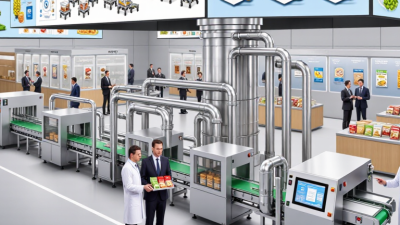
What Is the Best Pet Food Machine in China?
Choosing the best pet food machine in China requires more than comparing prices and shiny brochures. A suitable machine must match your recipe, production volume, ingredients, and target market. It should also deliver stable shaping, accurate moisture control, and consistent cooking results. In real factories, small details matter. A weak feeder can create uneven kibble. Poor temperature control may affect texture and nutritional value.
This guide examines Chinese pet food machine suppliers through practical and technical standards. We consider extrusion capacity, stainless-steel construction, energy use, cleaning access, spare parts, and operator safety. Experience on a production floor often reveals more than a catalog specification. A test run can show whether the machine handles meat powder, cereals, oils, and sensitive additives without repeated blockages. Ask for sample products. Measure them carefully.
There is no single best model for every business. A small startup may need a compact line with simple controls. A large manufacturer may require automated feeding, drying, coating, and packaging systems. Supplier reliability also deserves close attention. Verify factory experience, quality documentation, installation support, and after-sales response. Do not rely on promises alone.
Some buyers focus too heavily on the lowest quotation. That choice can become expensive after installation. Still, a higher price does not guarantee better performance. This guide has limits because every formula behaves differently. Independent testing remains essential. By comparing evidence, visiting facilities when possible, and reviewing realistic production data, buyers can make a safer and more informed decision about their next pet food machine.
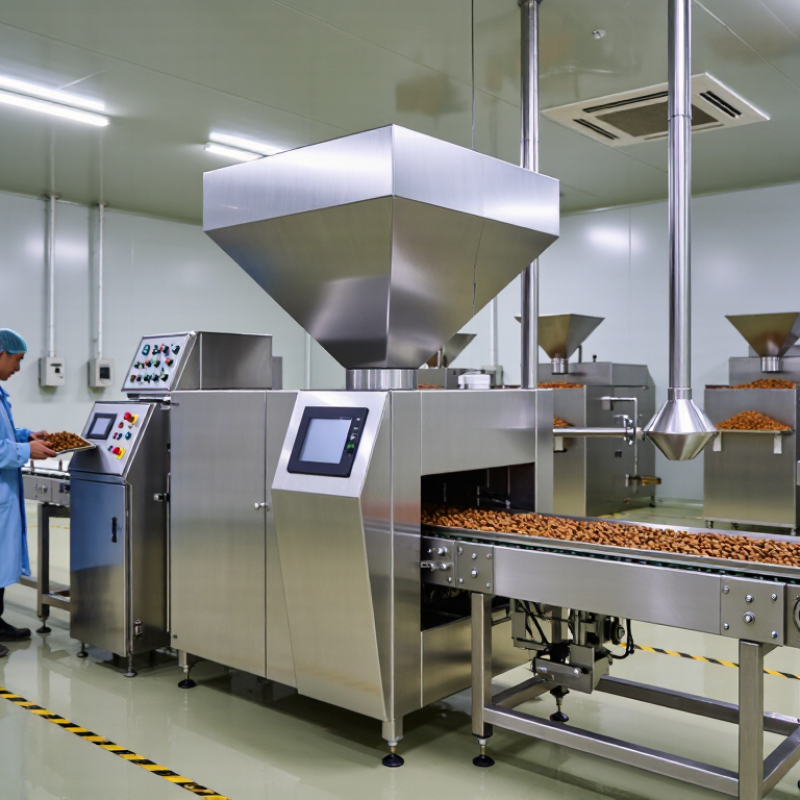
What Makes a Pet Food Machine the Best Choice in China?
What Is the Best Pet Food Machine in China?
The best pet food machine in China is not always the largest or fastest model. It should produce stable kibble, maintain accurate temperatures, and handle different recipes without constant adjustment. Food-contact parts should use corrosion-resistant stainless steel and support thorough cleaning. Small residue can affect the next batch. That detail is easy to overlook.
A reliable machine also needs controlled moisture, steady extrusion pressure, and even drying. During practical testing, operators should check pellet shape, density, smell, and breakage after cooling. A good supplier provides clear manuals, test records, spare-part lists, and responsive technical support. Local service matters when a sensor fails during a night shift. The cheapest option may become expensive after repeated stoppages. Still, even a premium machine can disappoint if the recipe, water content, or operator training is poor.
Tips: Request a sample-production test before purchase. Bring your actual ingredients, not a simplified formula. Measure output consistency across several hours. Check cleaning access around screws, cutters, and drying trays. Ask how quickly replacement parts can arrive in China. Review electrical protection, emergency stops, and food-contact documentation. Do not trust impressive capacity figures alone; real output may drop with high-fat or sensitive recipes. A written acceptance checklist can prevent uncomfortable arguments later. It should include noise, energy use, yield, moisture, and finished-product quality.
What Is the Best Pet Food Machine in China?
The best choice should balance food safety, production flexibility, process control, and operating efficiency.
This benchmark uses practical targets commonly considered when selecting commercial pet food extrusion equipment in China.
Food-grade stainless steel, adjustable capacity, accurate temperature control, stable moisture management, and efficient operation
are key factors for consistent product quality and scalable production.
Key Types of Pet Food Machines and Their Main Functions
Choosing the best pet food machine in China depends on the recipe, production volume, and moisture target. A practical evaluation starts with the raw materials. Meat, grains, and vegetables behave differently during processing. Capacity matters too. A small workshop may need 100 to 300 kilograms per hour, while an industrial plant may require several tons.
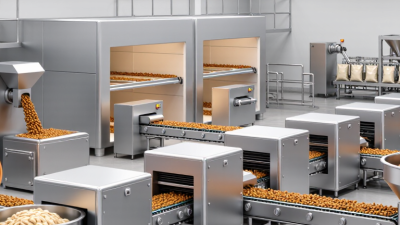
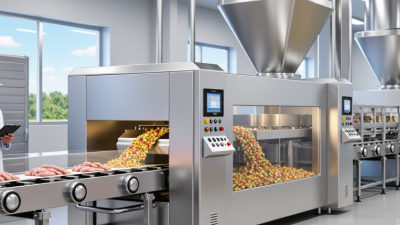
Grinding machines reduce meat, bones, or grains into a consistent size. Mixing machines combine powders, oils, vitamins, and wet ingredients evenly. Extruders cook and shape the feed under heat and pressure. They can produce floating, sinking, or semi-moist pieces. Dryers then remove excess moisture and improve storage stability. Coating machines add oil or flavor after drying. Packaging machines measure portions and seal bags with controlled accuracy.
Each machine needs careful inspection. Check stainless-steel contact parts, temperature controls, motor protection, and cleaning access. Hard-to-reach corners can collect residue. That is a real concern. Ask for trial production with your own formula, not only a demonstration sample. Testing should record output, moisture, energy use, noise, and cleaning time. A machine may perform well for one recipe but poorly for another. This is often overlooked. Reliable suppliers should provide operating manuals, spare-part guidance, and technical training. Independent inspection can also verify construction quality and electrical safety. The best choice is not always the largest machine. It is the one that delivers stable results without creating unnecessary maintenance problems.
Essential Features for Efficient and Safe Pet Food Production
What Is the Best Pet Food Machine in China?
The best pet food machine in China should match your recipe, output, and safety system.
Grand View Research valued the global pet food market at about USD 103.27 billion in 2023.
It also forecasts a 4.4% annual growth rate through 2030. This demand makes stable production more important than impressive machine appearance.
A reliable extruder needs accurate temperature, pressure, and moisture controls. These settings protect texture and reduce batch variation.
Food-contact parts should use corrosion-resistant stainless steel, with smooth welds and few residue traps.
Automatic cleaning support can reduce downtime and contamination risks. Metal detection, emergency stops, and enclosed conveyors add practical protection.
Small details matter.
APPA reported USD 63.8 billion in U.S. pet food and treat sales during 2024.
That figure reflects strong demand for consistent, safe products. In real production, operators should test samples during each shift. Check density, moisture, shape, and cooking quality. A machine may claim high capacity, yet poor feeding control can waste raw materials.
I would not choose solely from a catalog. Ask for a live trial using your actual formula, because laboratory results can look better than factory reality.
Choosing the Right Machine for Your Production Needs
What Is the Best Pet Food Machine in China?
Choosing the right machine depends on your production needs, not its advertised capacity. A small factory may need 300 kilograms per hour, while a large plant may require several tons. Match the extruder size with your actual orders. Oversized equipment can waste energy and increase cleaning time.
Check the raw materials before selecting the machine. Meat meal, grains, oils, and fibers behave differently during processing. A twin-screw extruder usually offers better mixing for complex recipes. It also allows closer control of moisture and texture. Ask for adjustable cutting speed and interchangeable dies. These details affect kibble size, density, and shape. Stainless steel contact parts, especially food-grade 304 steel, support easier sanitation. During a production trial, inspect the control panel, noise level, temperature stability, and access for maintenance. Small design flaws become expensive delays.
Tips: Request a sample run using your own formula. Measure output, moisture, energy use, and cleaning time. Speak with current operators, not only sales staff. A machine that looks efficient on paper may perform differently on the factory floor. I would also leave room in the budget for spare cutters, heaters, sensors, and staff training. This part is easy to underestimate. Verify installation support, manuals, and service response before signing any agreement. Reliable records matter more than impressive promises.