What Are the Top Food Tech Products in China?

China’s food technology landscape is not one neat story. From connected kitchen appliances to digital ordering and supply-chain tracking, food tech products are changing how food is made, moved, and chosen. Yet “top” depends on the problem being solved. A restaurant may value speed and predictable portions. A household may care more about easy cleaning, safe temperatures, and reliable after-sales support.

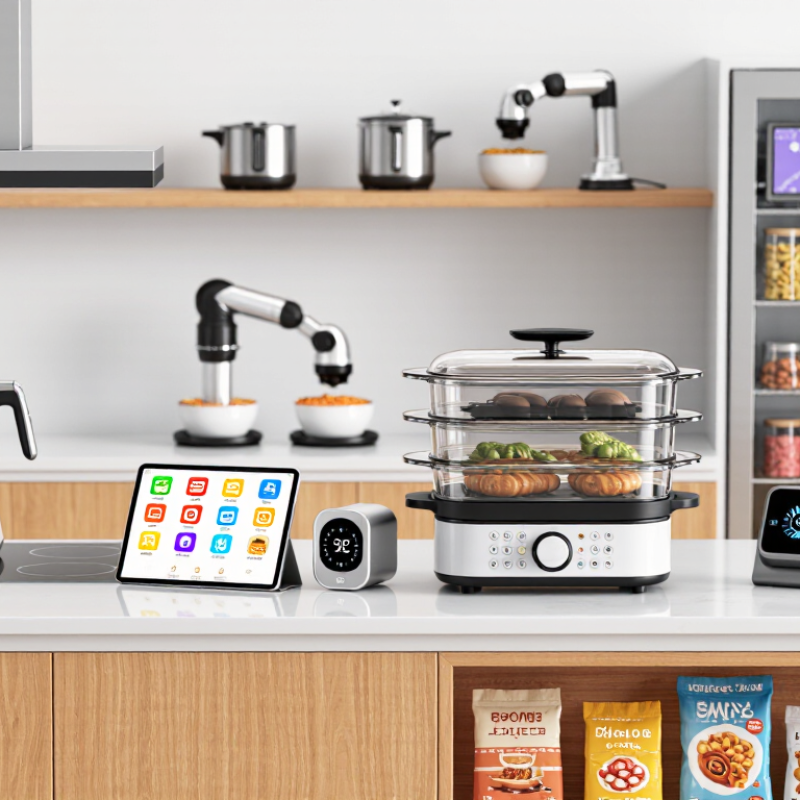
This overview examines product areas with visible practical value: smart cooking devices, food delivery and retail tools, traceability systems, automated equipment, and emerging ingredients. A temperature sensor beside a steaming cooker is tangible; a dashboard recording cold-chain conditions can help businesses spot gaps. For a small café, cleaning time and repair access may matter more than a flashy automation demo. These examples do not prove every product performs equally well. Features, pricing, availability, and service can vary by city and brand. That matters. A sleek interface is not the same as dependable performance. Not every launch lasts. The discussion weighs usefulness, evidence, user experience, and limitations rather than treating novelty as proof of quality. Readers should also distinguish products already used at scale from pilots or early-stage offerings. This boundary can be blurry. The list is a starting point, not a universal ranking, and the best choice depends on who uses each product, where, and for what.
What Are the Top Food Tech Products in China?

What Food Technology Products Include in China's Market

Food technology in China covers more than ordering apps. It includes smart processing equipment, machine-vision sorting, digital traceability, temperature-controlled logistics, and new food ingredients. The China Internet Network Information Center reported 545 million online food-delivery users in June 2024. That large user base raises expectations for reliable handling, clear product information, and faster distribution.

Cold-chain products are a major part of the market. They include refrigerated vehicles, insulated containers, warehouse sensors, and software that flags temperature changes during transit. The China Federation of Logistics and Purchasing reported that China’s cold-chain logistics market reached 517.5 billion yuan in 2023, up 5.2% year over year. A sensor can record a brief temperature spike, but it cannot fix poor loading practices. The picture is uneven.

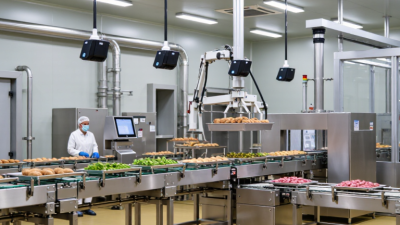
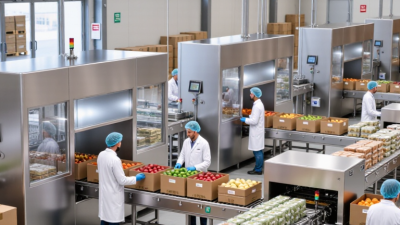
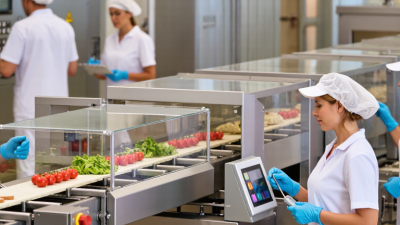
Food factories also use automated filling lines, robotic packing, and optical systems that identify damaged produce. Ingredient technologies include plant proteins and precision-fermentation inputs, used in products such as meat alternatives and dairy-style foods. These tools can improve consistency, but results depend on local tastes, cost, and processing capacity. Not every pilot scales well. In practice, a small factory may still rely on manual checks beside its new sorting equipment.

What Are the Top Food Tech Products in China? - What Food Technology Products Include in China's Market

Product Category Examples of Products Technology Used Market Presence in China Typical Applications
Plant-based foods Soy- or pea-protein drinks, meat alternatives, and plant-based prepared foods Protein extraction, blending, extrusion, and flavor and texture formulation Available in retail and foodservice; product range and consumer demand vary by category and region Convenience foods, alternative-protein meals, and dairy-style beverages
Fermentation-derived ingredients Food enzymes, organic acids, amino acids, and selected vitamins Microbial fermentation, controlled bioprocessing, and downstream purification Established ingredient-production category used across China's food-processing sector Flavor development, processing, preservation, and nutritional formulation
Precision-fermentation proteins Proteins designed for use in dairy-style, egg-style, or other food formulations Microorganisms produce targeted proteins in fermentation vessels, followed by purification An emerging area; consumer-food use depends on applicable food-safety and ingredient approvals Potential ingredient applications in beverages, desserts, and prepared foods
High-pressure processing (HPP) Pressure-treated juices, chilled foods, and ready-to-eat products Food sealed in packaging is exposed to high hydrostatic pressure to reduce certain microorganisms Used for selected packaged foods; adoption depends on product design, processing capacity, and economics Chilled products where manufacturers seek microbial control while retaining fresh-like qualities
Smart agriculture and controlled-environment farming Greenhouse monitoring systems, hydroponic growing equipment, and automated climate controls Sensors, irrigation automation, environmental controls, and data-based crop management Applied in agricultural production, including protected cultivation; deployment varies with crop and location Monitoring water, temperature, humidity, nutrients, and crop-growing conditions
AI-based food inspection and sorting Optical sorting systems and automated inspection equipment for produce and processed foods Computer vision, cameras, sensors, and machine-learning-based defect classification Industrial equipment category used in food processing; capabilities depend on product and inspection task Identifying visible defects, grading products, and supporting quality-control workflows
Digital cold-chain monitoring Temperature data loggers, connected sensors, and shipment-monitoring platforms Temperature and location sensing, wireless data transmission, and alert or traceability software Used in parts of food logistics and storage; system coverage varies across operators and routes Monitoring refrigerated transport and storage conditions for perishable foods
Cultivated meat Cell-cultured meat prototypes and research-stage products Animal cells are grown in controlled environments and harvested for food-product development Primarily a research and development area; commercial food use requires applicable safety and regulatory authorization Research into alternative meat production and future food manufacturing

Market presence is described qualitatively. Product availability, regulatory status, and adoption can vary by product type and location.
How China's Leading Food Tech Products Are Categorized

China’s leading food technology products are best understood by function, rather than as one ranked list. A useful map includes smart kitchen appliances, food delivery and retail platforms, agricultural tools, and food-science products. These groups solve different problems: saving preparation time, coordinating orders, improving crop decisions, or extending freshness. Their value depends on the user and setting.

Smart kitchen devices include connected cookers, temperature sensors, and automated beverage equipment. Retail and delivery tools bring ordering, inventory, and cold-chain tracking into digital workflows. In agriculture, sensors and data services can help growers monitor soil moisture and greenhouse conditions. Food-science products include plant-based ingredients, fermentation systems, and packaging designed to slow spoilage. Categories overlap. A connected refrigerator, for example, may support both household cooking and food-waste tracking. Even this framework is imperfect; product boundaries are not always clear, and claims deserve careful checking.

Tips: Compare products by the task they improve, not by futuristic features. Check measurable details, such as temperature accuracy, delivery coverage, or reduced spoilage over time. Small tests help. Ask who verifies performance, what data is collected, and whether results hold outside demonstrations.

Which Smart Kitchen and Food Processing Products Stand Out

China’s most notable food technology is often practical rather than futuristic. In kitchens, connected induction cooktops, precision steam ovens, and temperature-controlled refrigerators can reduce guesswork. Look for clear controls, stable heating, and alerts that remain useful when a phone is elsewhere. Small details matter: a pot should heat evenly, and a refrigerator drawer should hold a steady temperature.

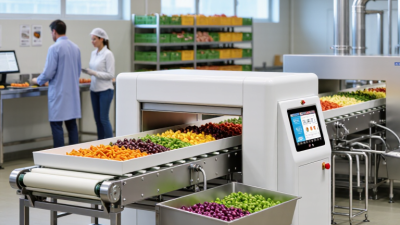
Food processing equipment is changing too. Vision-guided optical sorters inspect produce for color and size, while automated weighing and portioning systems help standardize batches. The International Federation of Robotics reported 276,288 industrial robot installations in China in 2023, about 51% of global installations. That figure covers all industries, not food plants alone, but it shows the scale of China’s automation base. FAO’s 2023 SDG progress update estimated that 13.2% of food was lost after harvest and before retail in 2021, strengthening the case for better sorting and handling. Yet automation is not magic. Sensors need cleaning, and equipment must suit local ingredients and workflows. More features do not always mean better cooking. A clumsy interface can undo a clever machine.

What Are the Top Food Tech Products in China?

Representative smart kitchen and food-processing technologies, compared by a practical reference temperature—not by sales or market share.

Cold-storage values are reference targets; pasteurization and UHT values are example process temperatures. Actual requirements depend on the food, equipment, and applicable regulations. References: FDA Food Code cold-holding guidance (5°C or below) and standard HTST milk pasteurization (72°C for 15 seconds); UHT processing commonly uses temperatures of at least 135°C.

How Delivery, Retail, and Food Safety Technologies Are Used

In China, food technology is often most visible at the doorstep. Ordering platforms connect customers with nearby kitchens, while dispatch systems group orders and guide couriers through busy streets. A rider may use a phone map to find a tower entrance, then confirm delivery with a photo or message. Small details matter. Rain, elevator queues, and unclear addresses can still disrupt an otherwise efficient service.

Retail technology also changes how people shop for meals. Supermarkets can use digital inventory tools to track chilled goods, flag low stock, and coordinate online orders with store shelves. Some neighborhood shops offer self-service checkout and pickup lockers for prepared food. These tools save time, but inventory records can lag behind reality. A screen may show a product as available even after the last one has been sold.

Food safety systems add another layer. Temperature sensors can record conditions inside refrigerators, and digital logs help staff review handling steps. QR codes may provide sourcing or inspection information, though the quality and completeness of those records can vary. Useful, but not infallible. A sensor needs calibration, and workers still need training to respond when it signals a problem. The less polished part is often the most important: consistent checks during a rushed shift.

What Trends Are Shaping China's Food Tech Products Next

China’s food tech products are moving beyond novelty toward tools that make production safer, steadier, and easier to monitor. Better sensing is one important trend. A small camera above a sorting belt can spot bruising, uneven color, or damaged packaging in real time. Useful, but not infallible. Lighting changes and unusual produce can still confuse a system, so human checks remain essential.

Automation is also becoming more practical in kitchens and processing facilities. Sensors can track refrigerator temperatures, while connected equipment can flag a machine running hotter than usual. These details matter: a warning before a breakdown may prevent wasted ingredients and interrupted production. Yet installation costs, staff training, and energy use deserve equal attention. A robot that saves minutes but consumes more power is not automatically a better product.

Personalized nutrition and traceable sourcing are likely to shape the next generation of food services. Digital tools may help consumers compare ingredients, allergens, and storage histories with less guesswork. The challenge is making that information clear and trustworthy, not simply adding more screens. Personalization can feel oddly narrow when it relies on incomplete preferences. Products should explain what their recommendations are based on and allow people to correct them. Practical progress will depend on reliable data, careful testing, and designs that work in busy, imperfect settings.