Top 10 Pet Food Production Companies for Global Buyers
Choosing a pet food manufacturer is not just a matter of comparing factory size or familiar brand names. For global buyers, the real questions are more concrete: Can a supplier maintain consistent batches, explain its ingredient choices, and adapt production to different product needs? A strong website cannot answer everything. Sometimes, the details are in a sample bag, a technical sheet, or a difficult conversation about lead times.
Pet food researcher Dr. Greg Aldrich’s work highlights how formulation and processing shape the finished product. A practical principle consistent with that work is: “Good formulation and good processing have to work together.” That connection matters on the production floor, where ingredient handling, cooking conditions, and quality checks can affect texture, stability, and nutritional consistency. Small details count. A kibble’s size and density, for example, may influence how it travels through packaging lines and how easily buyers assess a sample. No single factory detail tells the whole story.
This Top 10 guide introduces pet food production companies for global buyers, with attention to manufacturing capabilities, product range, and useful signs of operational reliability. It is a starting point, not a substitute for checking supplier records, requesting specifications, or discussing your own requirements directly. Comparisons can be imperfect; public information rarely reveals every constraint behind a production schedule. That is worth remembering. The best partner may not be the largest, but the one whose capabilities match your product, volumes, and expectations—and can explain the trade-offs clearly.
Pet Food Manufacturing: Industry Scope and Global Market Structure
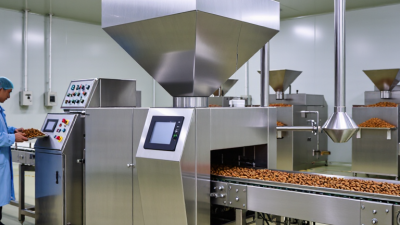
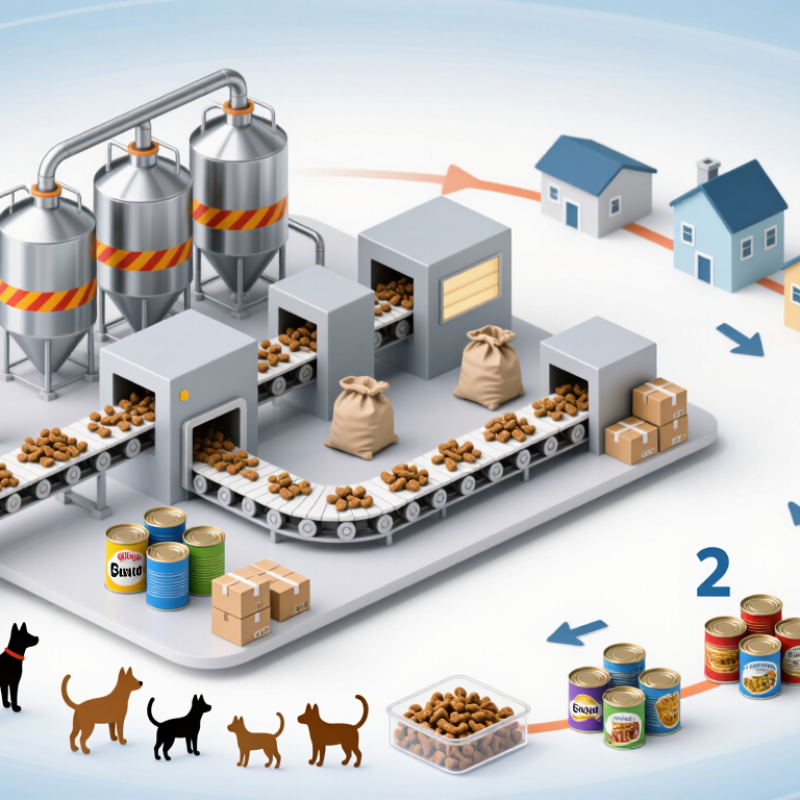
Pet food manufacturing covers far more than mixing meat, grains, and micronutrients. It includes ingredient sourcing, grinding, cooking, extrusion or canning, drying, coating, packaging, and quality checks. Products range from dry kibble and wet meals to treats and specialized diets. Grand View Research valued the global pet food market at USD 103.3 billion in 2023 and forecast a 4.4% compound annual growth rate from 2024 to 2030. This measures market value, not factory output. That distinction matters.
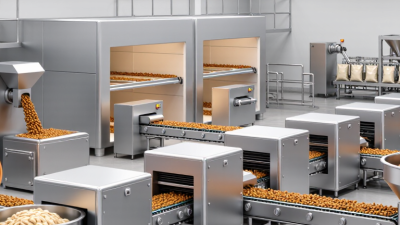
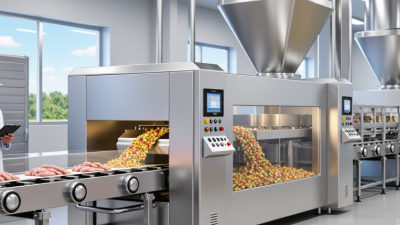
The industry is divided by product format, price tier, region, and production model. Large facilities may run continuous kibble lines, while other plants handle wet recipes, treats, or private-label contracts. The machinery is not interchangeable: extrusion depends on controlled heat and moisture, while canned products require precise retort processing and cooling. FEDIAF’s 2024 European industry report put regional pet food sales at €29.3 billion in 2023. Europe is only one market. Its figure cannot be directly compared with a global valuation, but it shows the scale of regional demand. For buyers, capacity claims deserve careful checking; a plant’s stated annual tonnage may cover only one product line, not every format it can make.
Pet Food Manufacturing: Market Scale Benchmark
U.S. pet food and treats sales, 2019–2023 (USD billions)
Sales rose from $36.9 billion in 2019 to $64.4 billion in 2023. This U.S. series provides a market-scale benchmark for global buyers; it is not a global market estimate. Source: American Pet Products Association (APPA), U.S. pet industry expenditure figures.
How to Assess Pet Food Producers for International Sourcing
When assessing pet food producers for international sourcing, look beyond catalogues and sales presentations.
Ask which products each facility actually makes, and whether its equipment suits your required format. A plant producing dry kibble may not handle wet food or treats. Request a facility tour, in person or by video, and observe ingredient storage, production flow, and batch identification.
Review how the producer controls ingredients and finished products. Ask for specifications, recent test results, and examples of corrective action when a batch misses requirements. Check whether quality staff can explain testing methods and nutrient tolerances clearly. Packaging matters too: inspect seals, date coding, and moisture protection.
Documents can look polished. Verify the details.
International orders add practical risks. Confirm minimum order quantities, lead times, export experience, and shelf-life expectations on arrival. Ask how the producer handles delays or a rejected shipment. Then compare a pilot order with the approved sample, including package condition after transport. This step can expose differences between sample production and routine runs.
It is not foolproof. Supplier reviews need revisiting as volumes, formulations, and shipping routes change.
Profiles of 10 Leading Pet Food Production Companies
The ten profiles reflect different production strengths rather than a simple ranking. A large-scale dry-food producer may offer steady output and established quality checks. A wet-food specialist works with sealed cans or pouches, where consistency in filling and cooking matters. A freeze-dried producer focuses on low-moisture formats and careful handling. Capacity matters. A private-label manufacturer may help buyers develop products under their own labels, though minimum order sizes can vary.
Other profiles include a regional producer with shorter shipping routes, an ingredient-focused operation with detailed sourcing records, and an extrusion specialist skilled in shaping dry recipes. A nutrition-led manufacturer may work closely with formulation experts, while a flexible small-batch facility can suit market testing. An integrated producer may manage several steps, from ingredient preparation to packing. Details matter. Buyers should ask about traceability, batch records, testing procedures, production capacity, and how changes to a recipe are controlled.
These profiles offer a practical starting point, not proof of suitability. A polished facility description cannot replace a review of documents, samples, and communication. Some producers may excel at scale but offer little flexibility. Others may respond quickly yet have limited capacity. That trade-off is easy to overlook. Compare each operation against your product requirements, delivery plans, and quality expectations; no single profile is a perfect fit.
Comparing Product Portfolios, Production Capacity, and Market Reach
Global buyers comparing ten pet food producers should look beyond headline capacity. A wide portfolio may cover dry kibble, wet meals, treats, and specialized diets, but breadth alone does not prove reliable supply. Check ingredient specifications, life stages, pack sizes, and whether recipes can be adapted without changing core nutrition. Ask for recent production figures, not just maximum line capacity. A plant running several shifts may still face seasonal bottlenecks. Details matter.
Tips: Request a product matrix, monthly output range, and sample quality certificate. Confirm minimum order quantities, lead times, and backup production sites. Compare like with like; annual tonnage can hide differences in moisture and product type.
Market reach is more than a map of export destinations. Look for experience serving comparable climates, distribution channels, and shipping distances. Ask how the supplier protects pallets from heat and moisture, and tracks lots from ingredients to finished goods. Review audit scope and corrective-action records, then verify claims with references where possible. Be cautious when answers sound polished but lack dates or measurable evidence. No comparison is perfect; production capacity and market access can change, so recheck details before making a purchasing decision.
Global Buying Considerations: Compliance, Logistics, and Partnerships
Top 10 Pet Food Production Companies for Global Buyers
Global Buying Considerations: Compliance, Logistics, and Partnerships
Comparing pet food producers requires more than reviewing product catalogs. Confirm that each facility can provide current quality records, ingredient traceability, and documentation required in your destination market. Requirements differ by country and product type, so have a qualified local importer or adviser verify the details. Paperwork is only the start. Ask how the producer handles a delayed test result or a supplier change, and request a clear example from its quality process.
Logistics can quietly affect product quality. Discuss packaging durability, storage conditions, shipment schedules, and contingency plans before placing a large order. For example, clarify who monitors a container delay and how both parties document it. Check whether production forecasts match your sales cycle; a low quoted price is less useful if delivery dates keep moving. A site visit or independent audit may add confidence, but neither guarantees smooth performance. I would still keep a backup plan.
Tips: Request sample documents, agree on response times, and record responsibilities in writing. Start with a manageable order. Review the results together before scaling up. A candid discussion about problems can reveal more than a polished presentation.